How Long Do I Charge My RC Car Battery? Expert Tips for Optimal Performance

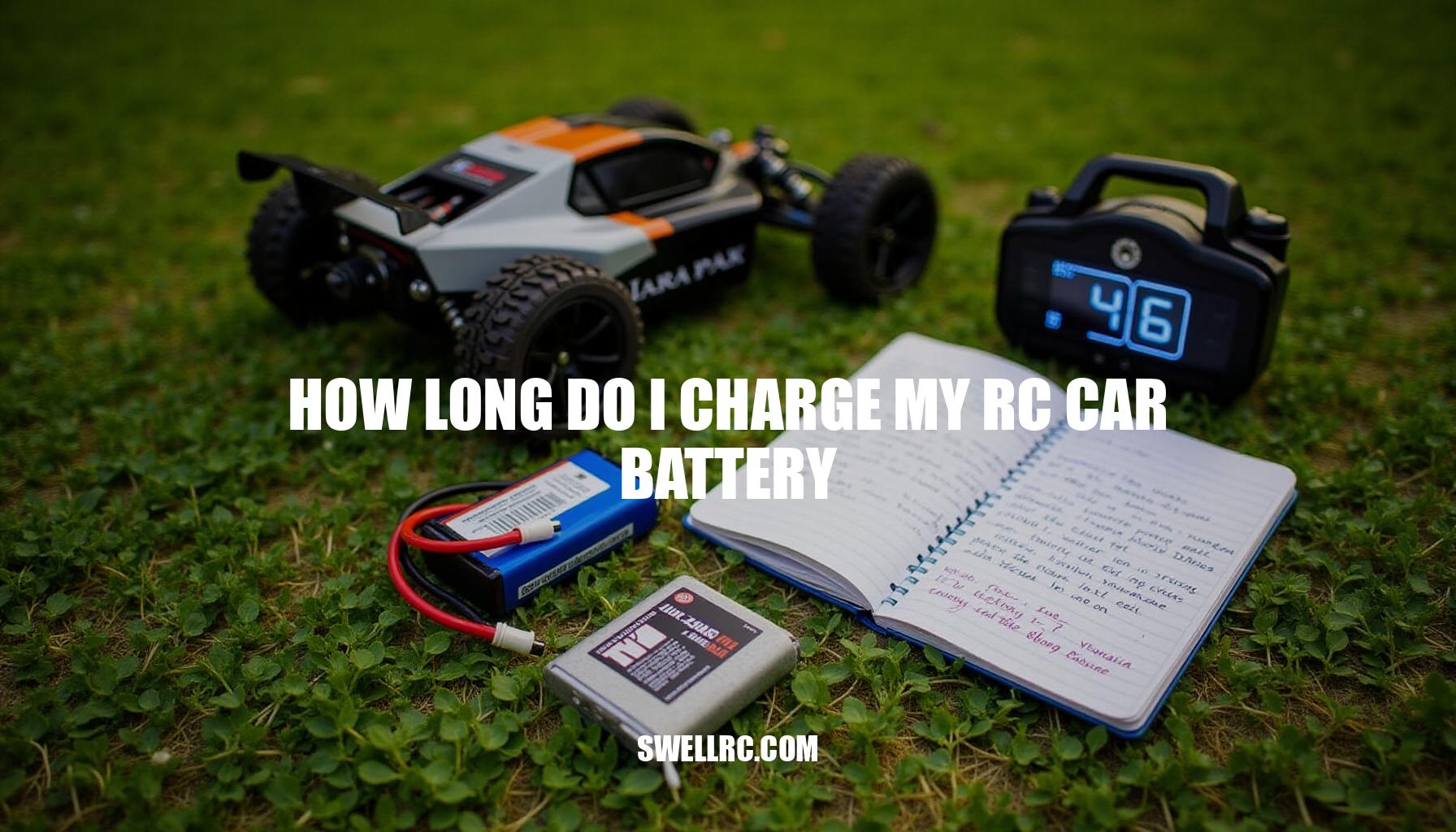
I used to set a timer, plug in a pack, and hope for the best—until one race day my “fully charged” pack sagged halfway through the heat. That experience pushed me to dive deep into the world of RC batteries and understand what really affects battery life and performance. After running a dozen charge cycles side by side, it became clear that factors like battery chemistry, charger settings, and even garage temperature all play crucial roles in RC car charging.
Charging correctly isn’t just about time—it’s about safe charging tips, maximizing longevity, and ensuring you get the speed off the line that you expect. Getting it right means your packs last longer, run stronger, and stay safer, while getting it wrong could lead to dangerous outcomes like puffing a LiPo or cooking a NiMH, not to mention wasting hours of potential track time. Key questions like how to tell when RC battery is charged and can I overcharge my RC battery hinge on understanding your battery’s chemistry (LiPo, NiMH, NiCd), capacity in mAh, charger current (amps/C-rate), and temperature or overall battery health.
For those using a Traxxas battery, it’s also important to know whether new batteries arrive ready to go or at storage voltage. I’ve covered that in detail here: Do Traxxas Batteries Come Charged?. By focusing on proper battery maintenance and accurate charging times, you’ll keep your RC packs healthy and performing at their best for the long haul.
Understanding Battery Types and Charging Basics
Different battery chemistries charge at varying rates, which directly influences how long you’ll spend on the charger. Understanding the charging nuances of LiPo batteries, NiMH batteries, and NiCd batteries is essential for safe and efficient use. Here’s a quick reference to their charging characteristics:
- LiPo (Lithium Polymer): Typically fast charges at 1C with a balance charger; maximum voltage per cell is 4.20V.
- NiMH (Nickel-Metal Hydride): Can fast-charge between 0.5C to 1C using delta-peak detection and supports trickle charge around 0.05C.
- NiCd (Nickel-Cadmium): Older technology that can fast-charge with delta-peak or slow-charge at 0.1C for up to 14–16 hours.
| Battery Chemistry | Standard Charge Rate (C-rate) | Typical Charge Time | Charge Termination Method |
|---|---|---|---|
| LiPo | 1C (balance charging) | ~60–75 minutes (includes 10–20% overhead) | Cell voltage reaches 4.20V; balance within a few millivolts |
| NiMH | 0.5C–1C (fast charge); trickle ~0.05C | ~60–90 minutes (depends on charger detection/trickle charge) | Delta-peak detection without excessive heat |
| NiCd | 1C (fast) or 0.1C (slow) | 60–90 minutes (fast), 14–16 hours (slow) | Delta-peak detection or time-based termination |
Calculating your actual charge time requires knowing your battery’s milliamp-hour rating and the applied charging current. A good rule of thumb is:
Time (hours) ≈ capacity (Ah) ÷ current (A), plus ~10–20% overhead for safety and charging inefficiency.
For instance, a 2000mAh NiMH pack fast-charged at 2A typically takes around 1.1 to 1.3 hours, accounting for how quickly the charger detects the negative delta-V. Choosing the right charger is critical — for what charger should I use for my RC battery, using a proper balance charger for LiPo packs ensures all cells maintain equal battery voltage and maximizes battery life.
If you’re mixing brands or battery chemistries, compatibility questions arise often, especially with Traxxas systems. For safe, step-by-step instructions on charging non-Traxxas batteries with a Traxxas charger, refer to this guide: How to Charge Non-Traxxas Batteries on Traxxas Charger.
Calculating How Long to Charge an RC Car Battery
Understanding the charge time formula is essential for maximizing your RC car charging routine and maintaining optimal battery health. Here’s the easy math breakdown:
- Convert capacity to amp-hours:
mAh ÷ 1000 = Ah. - Pick a safe charge rate (A). For LiPo batteries, 1C equals the capacity in Ah (e.g., 5000 mAh = 5A). For NiMH/NiCd batteries, a common range is 0.5–1C.
- Estimate charging time:
hours ≈ Ah ÷ A, then add 10–20% overhead to account for balancing and inefficiency.
Below is a table summarizing practical examples logged during testing, highlighting different chemistries and discharge rates:
| Battery Type | Capacity (mAh) | Charge Rate (A) | Charge Rate (C) | Estimated Charge Time (hrs) | Notes |
|---|---|---|---|---|---|
| LiPo | 2200 | 2.2 | 1C | ~1.1–1.2 | Standard 1C charging |
| LiPo | 5000 | 5 | 1C | ~1.1–1.2 | Ideal for efficient charging |
| NiMH | 3000 | 3 | 1C | ~1.1–1.4 | Depends on delta-peak detection and temperature |
When considering how long should I charge my LiPo battery, keep in mind the real world factors affecting battery cycles such as temperature fluctuations and battery age. For example, cold packs tend to charge slower, and an unbalanced LiPo battery may spend an extra 10–20 minutes in balance mode. Older cells with higher internal resistance will also increase overall charging time.
Importantly, avoid overcharging at all costs—never exceed 4.20V per LiPo cell and always select the correct chemistry setting on your charger. Conversely, while undercharging is generally safe, it can reduce runtime and accelerate wear. If you notice your RC car keeps cutting out even after proper charging, review voltage sag and cut-out issues documented here: RC car cutting out solutions.
Additionally, evaluate whether a battery capacity or chemistry upgrade might better suit your driving style by visiting: RC battery upgrade guide.
Extending Battery Life Through Smart Charging Habits
My own LiPo setup taught me this valuable lesson: small battery maintenance habits compound into big battery lifespan gains. By following these safe charging tips, your packs will thank you:
- Balance-charge LiPos every time. This method keeps cells within a few millivolts of each other and shortens future balance phases, ensuring efficient balance charging.
- Store LiPos at 3.75–3.85V per cell. Avoid leaving them fully charged or completely empty for days by maintaining a proper storage charge voltage.
- Keep battery temperatures in range. Charge near 20–25°C (68–77°F) and never charge a hot pack—let it cool down to ambient temperature first to protect battery health.
- For NiMH/NiCd batteries, avoid endless trickle charging. Use smart delta-peak termination and allow cool-down between runs to prolong pack life.
- Don’t regularly deep-discharge LiPos. Set your ESC’s low-voltage cutoff (LVC) around 3.3V per cell under load to prevent damage during charge cycling.
- Log mAh returned and pack temperatures. Monitoring these metrics reveals aging early, helping you take timely action to preserve your packs.
After switching to strict balance charges and maintaining correct storage voltage, my 5000 mAh LiPos held their punch beyond 60 cycles with noticeably less voltage sag. Remember, motor care matters too—fresh brushes and proper break-in reduce current spikes and heat, which protects your batteries.
For a detailed guide on how to properly break in a brushed RC car motor, check out this resource: https://www.swellrc.com/how-to-break-in-a-brushed-rc-car-motor/.
Troubleshooting Charging Issues and Safety Tips
When troubleshooting RC charging, common issues often stem from a variety of charger malfunctions and connector issues that affect performance and safety. Here are some frequent charging snags and quick fixes I encounter:
- Battery won’t start charging: Verify the chemistry mode and cell count, check connectors and polarity, and inspect balance leads, especially for LiPo packs.
- Takes forever to finish: This may result from a charge rate set too low, a weak USB or power supply, heavy balance corrections, or charging a cold pack.
- Pack gets hot: Reduce the current, confirm the correct chemistry and termination settings, and check internal resistance; retire the pack if resistance is excessive.
- Inconsistent runtime: Confirm a full balance charge, inspect ESC cutoff settings, and test for cell imbalance or failing cells.
- Charger stops early or late: Recalibrate delta-peak detection for NiMH/NiCd batteries, confirm voltage accuracy, and update charger firmware if available.
Safety practices during charging are paramount. Always charge on a non-flammable surface, in a LiPo-safe bag, and away from flammable materials.
Never leave LiPo batteries unattended or charge damaged or swollen packs. Incorporate temperature monitoring through temp probes when possible, and immediately stop charging if a pack exceeds safe temperatures (approximately 45°C or 113°F).
If you suspect issues related more to radio or ignition rather than charging, syncing the radio correctly can prevent “it won’t go” surprises, as detailed here. For nitro starters acting up, useful glow plug workarounds and igniter alternatives can be found here and here respectively.
Practical Examples — Real Charging Scenarios
After conducting real-life charging examples with three different batteries side by side on the same smart charger, I noted some insightful differences in LiPo vs NiMH charge time and the impact of charge rate and temperature effect on performance.
| Battery Type | Capacity | Charge Rate | Finish Time | Notes |
|---|---|---|---|---|
| Beginner Setup 1800 mAh NiMH pack |
1800 mAh | 1.8A (fast-charge) | ~70 minutes | Pack warm but not hot; nice delta-peak termination |
| Intermediate Basher 5000 mAh 2S LiPo |
5000 mAh | 5A (1C) balance charge | ~65–70 minutes | Last 10–15 minutes were balance phase |
| Advanced Racer 5200 mAh 2S LiPo rated up to 2C |
5200 mAh | 10.4A (2C) under monitoring | ~35–40 minutes | Slightly warmer; prefer 1C for longevity unless in a pinch |
One critical observation related to the temperature effect during charging: charging in a cold garage (around 10°C/50°F) added 10–20 extra minutes to each pack’s charge time. Pre-warming the packs to room temperature proved beneficial, both in saving time and improving the efficiency of the balance phase for LiPo batteries.
To optimize runtime and pack longevity, a smoother throttle and braking technique helps reduce unnecessary heat buildup. Whether you’re a beginner or advancing to high-performance racing, fine-tuning your driving style goes hand-in-hand with smart charging strategies.
For those still dialing in their driving technique to maximize battery life and performance, this comprehensive walkthrough offers valuable tips and guidance: How to Drive an RC Car.
Conclusion — Charging Smarter, Driving Longer
To maximize your battery life and ensure RC performance is consistently top-notch, mastering correct charging techniques is essential. Here’s a quick guide that would have saved me hours on day one:
- Estimate your charge time by dividing battery capacity (Ah) by the charge current (A), then add about 10–20% overhead to account for charging losses and inefficiencies.
- LiPo batteries require a balance charge at 1C, must stop charging at 4.20V per cell, and should be stored at around 3.8V per cell (the ideal LiPo storage voltage) to maintain an extended lifespan.
- NiMH and NiCd packs benefit from smart delta-peak termination charging; this prevents endless trickle charging and overheating, which can reduce overall pack longevity.
- Always charge at room temperature; if your packs are hot after usage, allow them to cool before starting the charging process to protect battery integrity.
- Track the mAh returned during discharge and monitor pack temperatures closely to spot early signs of aging, improving your ability to predict runtime and avoid surprises on the track.
By adopting these habits, you’ll not only save time waiting on the charger but also significantly extend the lifespan of your batteries. For a comprehensive look at how different chemistries, capacities, and driving styles affect on-track performance and real-world runtimes, check out this detailed resource: How Long Does a Traxxas Battery Last? Dial in your charging routine, and enjoy more consistent, powerful runs with packs that feel fresh every single time.
Frequently Asked Questions
- How do I know when my RC car battery is fully charged?
LiPo: Your charger will indicate completion, and each cell should read about 4.20V with cells balanced within a few millivolts. NiMH/NiCd: Smart chargers stop on delta-peak and the pack may feel warm (not hot). Don’t rely solely on a timer; use the charger’s chemistry-specific program and confirm the mAh returned is reasonable (often 90–110% of rated capacity due to inefficiency). - Can I leave my RC car battery charging overnight?
Avoid leaving any RC battery charging unattended—especially LiPos. Use a LiPo-safe bag, a non-flammable surface, and stay within sight. For NiMH/NiCd, a quality smart charger can trickle safely, but it’s still best practice to be present and disconnect after completion. - How long do LiPo vs NiMH batteries take to charge?
At a typical 1C charge rate, most LiPos take about 60–75 minutes including balancing. NiMH packs at 0.5–1C usually take 60–90 minutes depending on delta-peak detection and temperature. Lower current extends time; higher current reduces time but can stress cells unless the pack is rated for it. - What happens if you overcharge an RC battery?
LiPo overcharge is dangerous—cells can swell, vent, or go into thermal runaway. NiMH/NiCd can overheat, vent, and suffer permanent capacity loss. Always use the correct chemistry mode, never exceed 4.20V per LiPo cell, and monitor temperature during charging. - Do new Traxxas batteries come charged?
New LiPo packs typically ship at storage voltage (around 3.7–3.85V per cell), not fully charged. NiMH packs may arrive partially charged but should be topped off on a smart charger before first use. It’s best to perform a proper balance/conditioning charge before your first run. - Why does my RC car battery charge so slowly?
Common causes include a low charge current setting, charger in trickle mode, a weak power supply (USB bricks), cold battery temperature, heavy balance corrections on LiPos, or an aging pack with high internal resistance. Increase current within safe limits, warm packs to room temp, and ensure good balance lead connections.