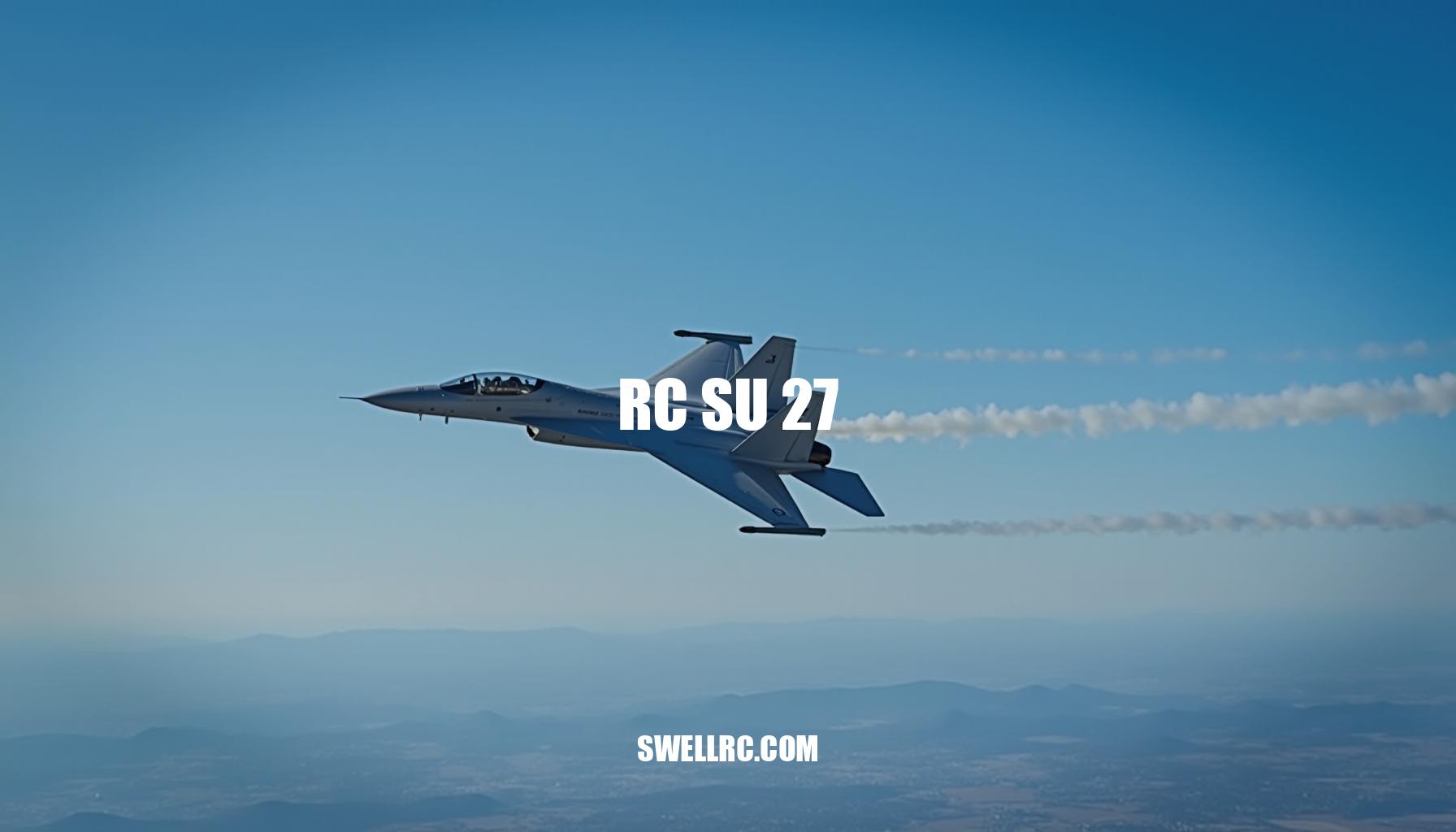
RC SU-27 Review: Unleashing High-Alpha Flight

The first time I armed the packs and eased the RC SU-27 down the runway, I couldn’t believe how alive the airframe felt—fluid, confident, and eager to carve big sky. That maiden flight reminded me why I fell in love with RC jet planes in the first place: a perfect blend of scale presence and precision flying. In this article, I’ll unpack what makes the SU-27 scale model special in the RC jet world—how its engineering echoes the full-scale Flanker, how it flies (from smooth pattern to high-alpha passes), and how to choose the right kit, gear, and upgrades.
Whether you’re a seasoned pilot or new to electric RC fighter jets, understanding the nuances of EDF jet planes like the SU-27 is key to mastering your flight experience. I’ll also compare it with other favorites, including agile stealth designs like the RC F-35, so you can decide where the SU-27 fits in your hangar of Swell RC aircraft. Plus, we’ll explore features like thrust vectoring RC planes to help you appreciate the cutting-edge technology that makes these scale model jets soar.
Ready to dive into the world of the RC SU-27? Let’s take off!
Engineering Mastery — The Design and Technology Behind the RC SU-27
At its core, the RC SU-27 exemplifies balanced aerodynamics through several key design features that appeal to enthusiasts focused on both performance and scale detailing. The model incorporates big lifting surfaces complemented by generous Leading Edge Root Extensions (LERX), enhancing control surfaces effectiveness at high-alpha maneuvers. Its twin-engine RC jet configuration uses a twin-EDF layout to maintain symmetrical and predictable thrust, critical for precise flight handling.
Construction-wise, most kits utilize EPO foam vs fiberglass to optimize durability and ease of repairability; EPO foam is notably lighter and more forgiving during tip-stalls or rough landings, making it a popular choice for initial builds. Advanced editions integrate reinforcement spars and composite materials to increase airframe stiffness without compromising weight. Additionally, modern RC flight control systems and optional thrust vectoring nozzles enhance maneuverability, while features such as retractable landing gear contribute to scale realism and functional authenticity.
For pilots seeking premium finishing touches and sophisticated hardware, exploring selections like those at Esprit RC planes provides valuable insights into materials and electronics that complement a Flanker-style build effectively.
- Big lifting surfaces for superior aerodynamic lift
- Generous LERX for enhanced high-alpha control
- Twin-EDF layout ensuring symmetrical, predictable thrust
- Use of EPO foam versus fiberglass balancing weight and durability
- Integration of reinforcement spars and composites for stiffness
- Advanced RC flight control systems boosting maneuverability
- Optional thrust vectoring nozzles for dynamic control
- Scale detailing with retractable landing gear for realism
Flight Experience — From Takeoff to Vertical Rolls
Flying the SU-27 offers an exhilarating SU-27 flight experience akin to driving a grand touring sports car that’s secretly a stunt machine. At rollout, the twin EDFs exhibit smooth EDF throttle response, allowing a gentle pull to lift the aircraft with authority. In the flight pattern, it tracks on rails, yet a subtle touch of elevator combined with throttle input reveals the plane’s iconic high-alpha, cobra-like attitudes.
For those mastering the twin EDF setup, I recommend starting with conservative rates during initial flights to dial in the CG before loosening controls for more aggressive maneuvers.
| Component | Recommended Specs | Notes |
|---|---|---|
| EDF Units | Twin 70–80 mm EDFs | Ensures balanced thrust and smooth throttle response |
| Batteries | 6S 4000–6000 mAh LiPo per fan or shared high-C pack | Provides consistent power for aerobatic performance |
| ESC | 80–100 A Quality ESCs | Recommended ESC ensures reliable throttle modulation |
| Radio & Stabilization | Modern radio with 3-axis gyro stabilization | Critical for maintaining control during gusty conditions |
When it comes to RC jet landing techniques, the SU-27’s light wing loading combined with robust thrust enables precise runway approaches and smooth touchdowns. The integration of a gyro stabilization system helps maintain stability during gusty days, enhancing pilot confidence. For perspective, the SU-27’s impressive blend of speed and grace perfectly bridges the gap between long-legged reconnaissance RC jets like the SR-71 Blackbird and hover-capable scale helicopters such as the RC Airwolf Black Bell 222.
While it won’t hover like a heli, its combination of thrust and low wing loading allows it to dance effortlessly through high-alpha maneuvers, tight loops, and crisp vertical rolls.
Choosing the Perfect SU-27 Kit — What to Look For
Not all SU-27s are created equal, and that’s a good thing—there’s a Flanker for nearly every pilot and field. When deciding between entry-level vs advanced RC jets, consider how each tier caters to different experience levels and flying goals. Entry-level foam kits emphasize quick assembly, included electronics, and forgiving handling, making them ideal for beginners seeking plug-and-play RC jets.
Meanwhile, advanced kits enhance performance with higher-power EDFs, digital metal-gear servos, and optional thrust-vectoring for thrilling post-stall maneuvers.
Brands like Freewing SU-27 are celebrated for reliable EDF hardware and meticulous scale finishing, striking a fine balance between value vs performance. On the other hand, Aircraft International RC offers a wider array of jet options and components, appealing to hobbyists who desire greater customization.
To aid your decision, here’s a concise EDF kit comparison table:
| Feature | Entry-Level RC Jets | Advanced RC Jets |
|---|---|---|
| Assembly | Quick, minimal setup | Detailed, time-intensive |
| Electronics | Included, basic | Higher-power EDFs, digital servos |
| Flight Handling | Forgiving, stable | Responsive, aerobatic capable |
| Customization | Limited | Extensive, including thrust-vectoring |
| Ideal For | Beginners, casual flyers | Experienced pilots, scale enthusiasts |
Shopping within the community is also smart — RC groups classified airplanes can surface lightly flown SU-27s or spare parts at great prices. As you compare products, weigh key factors such as your runway length, desired speed and flight time, and whether you want the ease of plug-and-play convenience or the freedom to customize every millimeter of your jet.
Flying Smarter — Setup Tips, Maintenance, and Mods
Setting up your RC aircraft starts by following the manual’s recommended center of gravity (CG), then gently nudging it aft in 2–3 mm increments until the pitch feels neutral during cruise. Proper EDF balancing is crucial: match the thrust lines of the EDF units and balance each fan meticulously. After a precise balance, the improvement in throttle smoothness is unreal.
Implementing dual rates and 20–35% expo on elevator and ailerons keeps control inputs crisp yet prevents twitchiness, vital for smooth flight performance.
Maintenance is equally important for longevity and performance. Since this model uses EPO foam, opt for gentle cleaners to protect the material. Seal hinge lines with clear tape to prevent dirt ingress, and routinely check retracts and door linkages after each bumpy landing to avoid mechanical issues.
Given the long takeoffs required on grass fields, monitor your ESC temperatures and consider adding cooling ducts when necessary.
For enthusiasts aiming to elevate their setup, several mods truly make a difference. Adding thrust vectoring upgrades provides dramatic high-alpha control, while a lightweight repaint with water-based acrylics refreshes the appearance without added weight. Stiffer spar upgrades in the wings enhance structural integrity, and incorporating a modern gyro with customizable flight modes—stability mode for maiden flights and rate mode for aerobatics—allows precision gyro tuning tailored to your skill level.
Addressing common issues and quick fixes:
- Unstable flight behavior: verify and adjust the center of gravity.
- Throttle roughness: rebalance EDF units carefully to perfect EDF balancing.
- Foam deterioration or damage: use gentle, foam-safe cleaners and avoid harsh chemicals, following foam care best practices.
- Inconsistent control response: fine-tune dual rates and expo or recalibrate gyro tuning.
- Mechanical failures post landing: carry out routine retract maintenance and inspect door linkages.
- ESC overheating during long takeoff runs: improve cooling with ducts or fans.
These RC setup tips are essential to maximize your model’s performance and longevity.
For in-depth discussions, setup hacks, and community support, platforms like RCGroups are invaluable resources. Also consider cross-training with scale helis like the RC Bell 47 (link) to sharpen your orientation and control skills across disciplines.
Conclusion: Why the RC SU-27 Redefines What RC Jets Can Be
The RC SU-27 conclusion is clear: it perfectly balances artistry with authority, making it one of the best RC jets available for enthusiasts who appreciate both style and performance. Its elegant lines and confident tracking deliver an authentic experience that’s ideal for those passionate about scale RC flying. The SU-27 excels in EDF performance, granting pilots the ability to explore advanced maneuvers like high-alpha flight and post-stall play, pushing the envelope whenever they’re ready.
Designed to grow with you, the SU-27 is forgiving enough for intermediate pilots to master the basics while remaining endlessly entertaining for experts seeking precision and adrenaline. Its versatility has earned it strong support within the RC aviation community, where pilots value its balance between accessibility and advanced capabilities.
If this review inspired your interest, consider expanding your collection with complementary models such as the KT RC foam aircraft fighter drone jet. Exploring different designs will enhance your fleet and provide a broader range of flying experiences.
- Elegant design and authoritative handling
- Ideal for both intermediate and advanced pilots
- Exceptional EDF thrust and maneuverability
- Supports advanced flying techniques including high-alpha flight
- Strong backing from the RC aviation community
Ready to take off? Join fellow enthusiasts at the field—wheels up and grins on!
Frequently Asked Questions
- What makes the RC SU-27 special compared to other RC jets?
Its twin-EDF layout, generous lifting surfaces, and high-alpha-friendly aerodynamics deliver a rare mix of stability and agility. You get smooth, predictable tracking for patterns plus dramatic post-stall control—especially with thrust vectoring. - Is the RC SU-27 a good choice for beginners or only for experts?
It’s best for confident intermediates with a few sport planes under their belt, or pilots stepping up from smaller EDFs. Newer flyers should start with a trainer or simple sport jet first, then move to the SU-27 once takeoffs, landings, and orientation are second nature. - How fast can an RC SU-27 fly?
Typical twin 70–80 mm EDF SU-27s run about 90–120+ mph on 6S power, depending on all-up weight, fan efficiency, and ESC/battery health. Larger 90 mm or high-power builds can exceed these figures with careful setup. - How do thrust vectoring and EDF influence the flight experience on the SU-27?
EDF provides turbine-like throttle response and smooth power delivery, while thrust vectoring adds control authority at very high angles of attack. Together, they unlock cobra-style high-alpha, tighter loops, and more confident slow-speed handling. - What are the best brands for SU-27 RC jets?
Freewing is a popular, proven choice for well-equipped foam EDF Flankers. You’ll also find solid options and components via broader RC jet channels and retailers that specialize in EDF hardware and scale detailing. - How to maintain and upgrade a foam SU-27 RC plane?
Keep foam clean, check hinge lines and retracts, balance EDFs, and monitor ESC temps. Upgrades that matter: thrust-vectoring nozzles, quality digital servos, fresh packs with high C ratings, spar reinforcement, and a modern gyro with tunable modes.