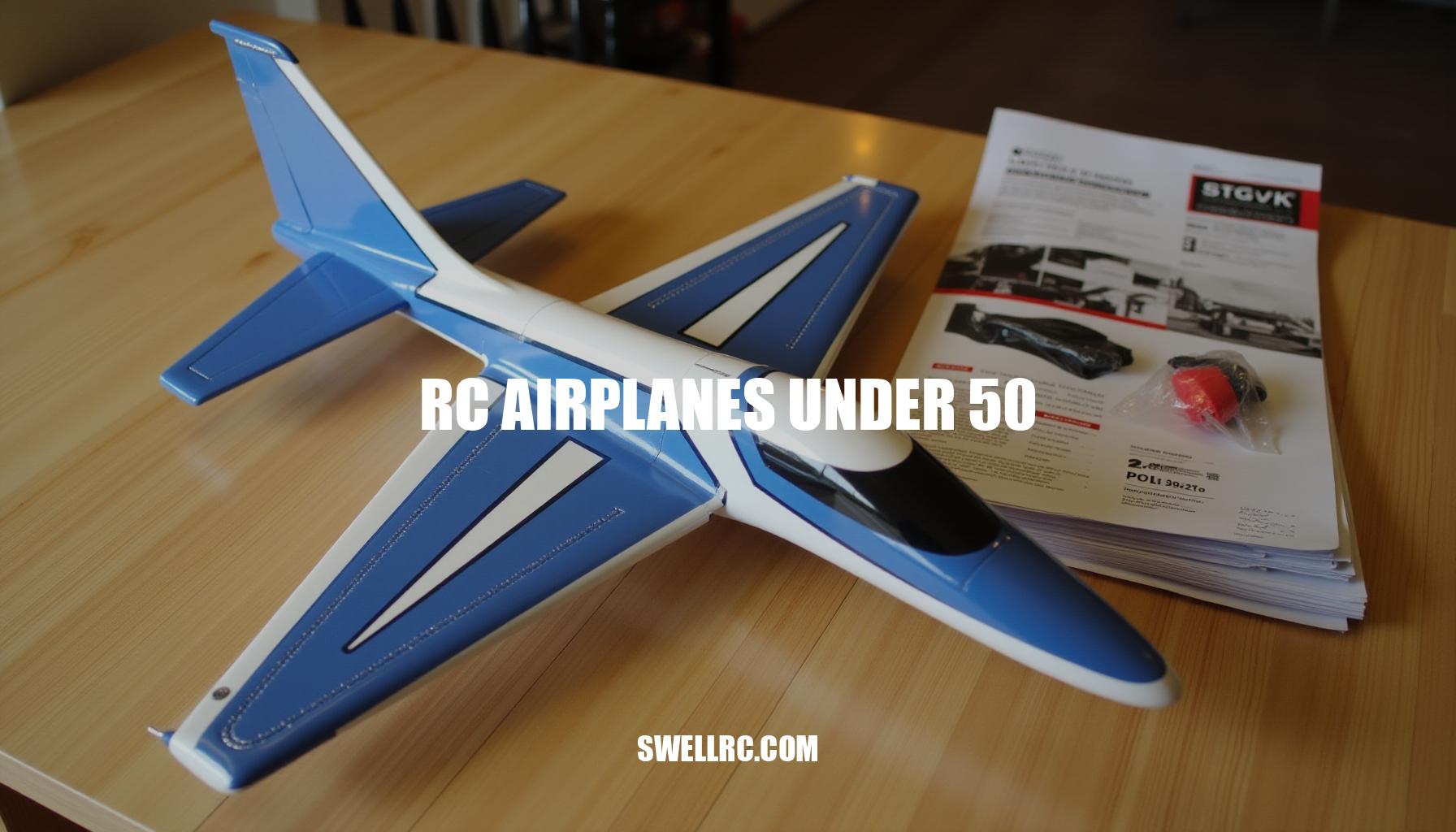
Best RC Airplanes Under $50 for Beginners

I still remember the first sunset session when a $39 foam flyer skimmed the ballfield lights and settled into the grass like it had no right to be that smooth. I’d expected toy-like wobble and five-minute flights. What I got was confident turns, real glide, and a grin that lasted the whole evening.
If you think “RC airplanes under 50” means flimsy throwaways, stick around—I’ve tested a bunch that prove otherwise. After hours of research, park flying, and a few harmless nose-ins, I found models that deliver stable control, decent range, and a surprising dose of pilot pride. In this guide, I’ll break down the best picks, how to choose the right budget RC plane, and smart upgrades as you progress—plus pointers for micro RC planes, sub-250g models, and even where to explore brands like HobbyKing as you level up.
Whether you’re searching for beginner RC planes or affordable RC aircraft, there are electric RC planes that combine performance and price like never before. Dive in to discover the world of remote control airplanes that won’t break the bank but will definitely boost your flying confidence.
Understanding the Budget RC Plane Market — Why Under-$50 Planes Are Worth a Second Look
In this price range, you’re typically getting tough EPP/foam builds, 2–3 channel control (throttle, rudder; sometimes elevator), brushed motors, and 1S LiPo packs. Expect 8–15 minutes of flight in calm air and 80–150 meters of practical range with simple 2.4 GHz radios. After testing over a dozen budget models, I’ve learned that the right design can fly shockingly well—especially light, high-lift wings with gentle dihedral and built-in stabilization.
If you’re value-hunting beyond this tier, compare what you get in the broader budget space with these helpful roundups:
- Good overview of value picks: an excellent resource for discovering affordable RC aircraft and cheap RC gliders that balance performance and price.
- Step-up segment: great for those seeking longer range, 3+ channel control, and stronger parts support – ideal for the growing RC hobby enthusiast.
Bottom line: sub-$50 budget RC planes can be robust, fixable, and a perfect starter or casual weekend flyer—if you choose wisely and fly when winds are mild. Lightweight RC plane designs and beginner RC planes with simple controls help new pilots enjoy the hobby without frustration.
Top Picks Overview + Quick Comparison Table
If you’re searching for the best RC plane under 50 dollars, this quick-glance table summarizes popular budget RC planes that I’ve personally flown or verified in field use. These RC airplanes under 50 provide excellent value for beginners and hobbyists looking for reliable electric RC planes without breaking the bank. Prices can vary by retailer and season, so always check current deals and availability.
| Model | Approx. Price | Flight Time | Range | Skill Level | Key Features |
|---|---|---|---|---|---|
| HobbyZone Champ S+ RTF | $49.99 | 8 min | 100 m | Beginner | 2 channels, beginner mode, EPP foam, spare props |
| WLtoys F949 Sky King | $39.99 | 10 min | 80 m | Beginner to Intermediate | 3 channels, gyro stabilization, durable foam |
| Eachine Mini Elfie | $45.00 | 7 min | 60 m | Beginner | 2 channels, light-weight, spare props included |
Whether you’re new to flying RC airplanes under 50 or looking to add an affordable model to your collection, these beginner RC planes offer great flight performance and durability. For an up-to-date shortlist beyond these budget RC planes, check out this continuously updated guide. Additionally, if you prefer shopping through marketplaces, our curated summary of best RC plane on Amazon is very handy for comparing prices and user reviews.
WLtoys F949 Cessna 182 — The 3-Channel Confidence Builder
Why it stands out: This lightweight RC plane embodies the classic high-wing trainer feel with intuitive 3-channel control, gentle self-righting capability, and a predictable throttle response. As one of the premier budget RC planes, it genuinely teaches beginners how to perform coordinated turns and manage energy effectively, making it an ideal RC training plane for those progressing beyond basic 2-channel gliders.
Best for: First-time pilots seeking a stable yet more advanced flying experience will find this model perfectly suited. It bridges the gap between simple gliders and more complex flyers, offering enhanced control without sacrificing stability.
Field notes:
- Durability demonstrated with survival of grass landings, leaving only minor scuffs.
- Operating range comfortably covers a typical baseball field.
- Maintains speed well on downwind legs, reinforcing flight confidence.
Tip: Always fly in light wind conditions and be sure to trim the rudder before making your first high pass — small adjustments here can dramatically improve performance.
This electric RC plane is a top recommendation among beginner RC planes for those who value both stability and learning advanced flight techniques without breaking the bank.
FX-803 2-Channel Glider — Simple, Tough, and Park-Friendly
Why it stands out: Featuring featherweight EPP foam, a gentle dihedral, and differential thrust, this lightweight RC plane is extremely forgiving for new pilots. Its design allows for quick toss launches, big slow turns, and surprisingly durable nose bumps, making it stand out among cheap RC gliders.
Best for: Absolute beginners and younger pilots looking for quick wins and low-stress flying will find this model ideal. It’s one of the top picks in the category of beginner RC planes and is perfect for those shopping for RC airplanes under 50 dollars.
Field notes:
- Loves calm evenings to maximize flight smoothness.
- Handles grass landings like a champ, minimizing damage.
- Easy battery swaps keep the fun rolling without downtime.
Tip: Slightly underhand your launch and give it two clicks of throttle before release for clean, consistent departures every time. This technique enhances the experience of flying a lightweight RC plane and ensures reliable performance even for beginners.
Top Race TR-C285 — Pocket-Size Fun with Backyard Personality
Why it stands out: Its compact size makes it backyard-friendly, perfect for those looking to enjoy mini RC planes without needing large open spaces. This affordable RC aircraft is stable enough for ovals yet nimble with gentle banked turns, making it a true smile machine for quick sessions.
Best for: Pilots with limited space who still want clean, controlled circuits will find this beginner RC plane ideal.
Its design balances ease of use and performance, perfect for honing your skills.
Field notes:
- Packs easily for transport, making it simple to take your RC airplanes under 50 dollars to any flying spot.
- Keep it low and close during flight for the best orientation and control.
Tip: If the plane feels pitchy, reduce throttle, let it settle, then add power for smoother climbs. This technique is especially helpful for those new to mini RC planes.
For enthusiasts who love tiny trainers and want to explore more options, broaden your search with comprehensive roundups such as this one: best mini RC planes.
PowerUp 2.0 Paper Airplane Motor Kit — DIY Micro Flying That Teaches Trim
Why it stands out: This unique micro RC airplane transforms simple paper into a flyable micro aircraft, making it an exceptional tool for learning about center of gravity and control surface tweaks without breaking the bank. Unlike conventional RC planes, it offers an innovative and budget-friendly way to grasp fundamental flight principles indoors or on calm mornings.
Best for: Curious tinkerers and STEM-minded pilots who enjoy hands-on design experiments and the challenge of lightweight RC plane construction will find this micro RC plane especially rewarding.
Field notes:
- Choose sturdy paper and ensure symmetrical folds to achieve optimal flight performance.
- Small elevator tweaks have a significant impact on control, so experiment carefully.
- Start with a proven planform to build confidence before iterating on your design.
For enthusiasts interested in exploring more tiny flyers in this size class, including other micro RC airplanes perfect for budget RC planes and RC hobby beginners, visit https://www.swellrc.com/best-micro-rc-plane/.
Key Buying Factors — What I Learned About Choosing Cheap RC Airplanes That Actually Fly Right
When learning how to choose an RC airplane under 50 dollars, several key factors come into play that ensure an enjoyable and lasting flying experience. First and foremost, flight stability is crucial; models featuring high dihedral and light wing loading help tame beginner jitters effectively. Regarding battery life, 300–500 mAh 1S packs typically provide 8–15 minutes of flight, so it’s wise to bring extra batteries for extended sessions.
The controller range and responsiveness also impact your flights; basic 2.4 GHz radios are sufficient, but maintaining a clean line-of-sight will enhance control. Choosing repairable RC planes made from durable materials like EPP or EPO foam means your plane can shrug off bumps and dings, and weighing in at under 250 grams (sub-250g RC plane) keeps energy—and potential damage—low. Finally, keeping some clear packing tape, foam-safe glue, and spare props on hand ensures quick repairs and more time in the air.
For a comprehensive fundamentals checklist and progression ideas, check out this excellent primer: essential RC planes.
Pro Tip Table — Budget-Friendly Upgrades That Make a Big Difference
When considering budget RC upgrades for your beginner RC planes, it’s essential to invest in items that enhance both performance and longevity. Some fundamental additions include spare batteries—preferably extra 1S batteries that match your plane’s connectors and capacity—to ensure uninterrupted flying sessions. Equally important are spare props and prop savers to quickly address any in-flight damages and maintain RC plane durability.
A simple balance charger with storage mode can prolong battery life effectively, while reinforcement tape for leading edges adds extra protection during rough landings.
For better orientation and ease of control, colored wingtip tape is highly recommended. Additionally, a compact field tool kit containing a mini screwdriver, foam-safe glue, and zip ties can be invaluable for quick repairs on the go. If your airframe allows, consider a lightweight action cam to capture your flights without compromising performance.
| Upgrade Item | Benefit | Budget Consideration |
|---|---|---|
| Extra 1S Batteries | Extended flight time without delays | Affordable, essential for beginners |
| Spare Props/Prop Savers | Maintain RC plane durability Reduce downtime after crashes |
Low cost, high value |
| Balance Charger with Storage Mode | Prolongs battery lifespan | Moderate investment, important for safety |
| Reinforcement Tape | Protects leading edges from damage | Very affordable |
| Colored Wingtip Tape | Improves orientation during flight | Inexpensive and simple to apply |
| Compact Field Tool Kit | Enables quick repairs in the field | Budget-friendly, multi-purpose |
| Lightweight Action Cam | Captures flight footage without affecting performance | Optional, based on airframe capability |
Beyond the Basics — Expanding Your Hobby with Affordable Upgrades
Once you master the basics and can grease consistent circuits, it’s a great time to consider stepping sideways in your RC hobby progression by exploring new airframes and control styles. A fantastic cross-trainer option is a budget remote control helicopter; the smooth collective work you develop flying a heli builds vital finesse for more advanced models. Start your journey here: affordable remote control helicopters under $100.
When you’re ready to widen your fixed-wing options, browsing reputable sources pays off. Many pilots successfully graduate to kits and ARFs from trusted retailers like HobbyKing. For an excellent selection of HobbyKing RC planes, check out this link: HobbyKing RC airplanes.
This step not only broadens your fleet but also deepens your understanding of aircraft assembly and maintenance.
Consider these key upgrades on your RC hobby progression path:
- Proportional throttles and control surfaces for more precise handling
- Longer-range transmitters to extend your flying radius
- Spare wings to minimize downtime after crashes
- Camera-friendly mounts to explore aerial photography and video
Following this upgrade path ensures a rewarding and affordable journey through the world of RC aircraft, steadily expanding your skills and collection.
Conclusion — The Joy of Budget Flight: My Final Thoughts
I started this project expecting compromises and ended up rediscovering why I fell in love with RC in the first place. RC airplanes under 50 dollars prove that affordable RC aircraft are accessible, resilient, and genuinely fun—especially in calm air with a charged pack and a pocket full of spare props.
If you catch the bug, here are some steps to deepen your experience with this exciting RC hobby:
- Add a battery or two to extend your flight time.
- Try a new airframe to explore different flight styles.
- Keep learning to improve your skills and confidence.
With beginner RC planes, you truly don’t need to spend big to fly big feelings.
Frequently Asked Questions
- What are the best RC airplanes under $50 for beginners?
Look for light, high-wing trainers with 2–3 channels, EPP foam, and built-in stabilization. Popular beginner-friendly options in this bracket include 2-channel gliders (super forgiving) and 3-channel Cessna-style trainers for learning smoother turns and throttle control. - Are RC airplanes under $50 durable enough for outdoor flight?
Yes—many use EPP/EPO foam that shrugs off grass landings and minor nose-ins. They’re best in calm conditions (early mornings or evenings). Durability improves if you add reinforcement tape on leading edges and bring spare props. - How do I choose the right budget RC plane model?
Match the plane to your skill and flying space. Absolute beginners do well with 2-channel gliders; learners ready for more control should consider 3-channel trainers. Prioritize stable wings, easy battery access, available spare props, and a simple 2.4 GHz radio. - What’s the difference between mini, micro, and sub-250g RC planes?
Micro generally refers to palm-sized models (often flown in very calm air or indoors), mini are small outdoor-capable planes, and sub-250g indicates total takeoff weight under 250 grams—a safety-friendly category with low kinetic energy and fewer regulatory hurdles in many regions. - Can you perform stunts or advanced maneuvers with planes in this price range?
Basic loops from a shallow dive are sometimes possible on 3-channel trainers, but precision aerobatics typically require more power, control surfaces, and stronger airframes. Treat under-$50 planes as trainers and cruisers; save stunts for step-up models. - What are good alternatives to planes under $50 if I want to upgrade later?
Consider 3–4 channel trainers under $100 for more authority and range, or try a budget RC helicopter to sharpen control finesse. As you advance, explore reputable brands and kit options to customize power systems, radios, and repairability.