
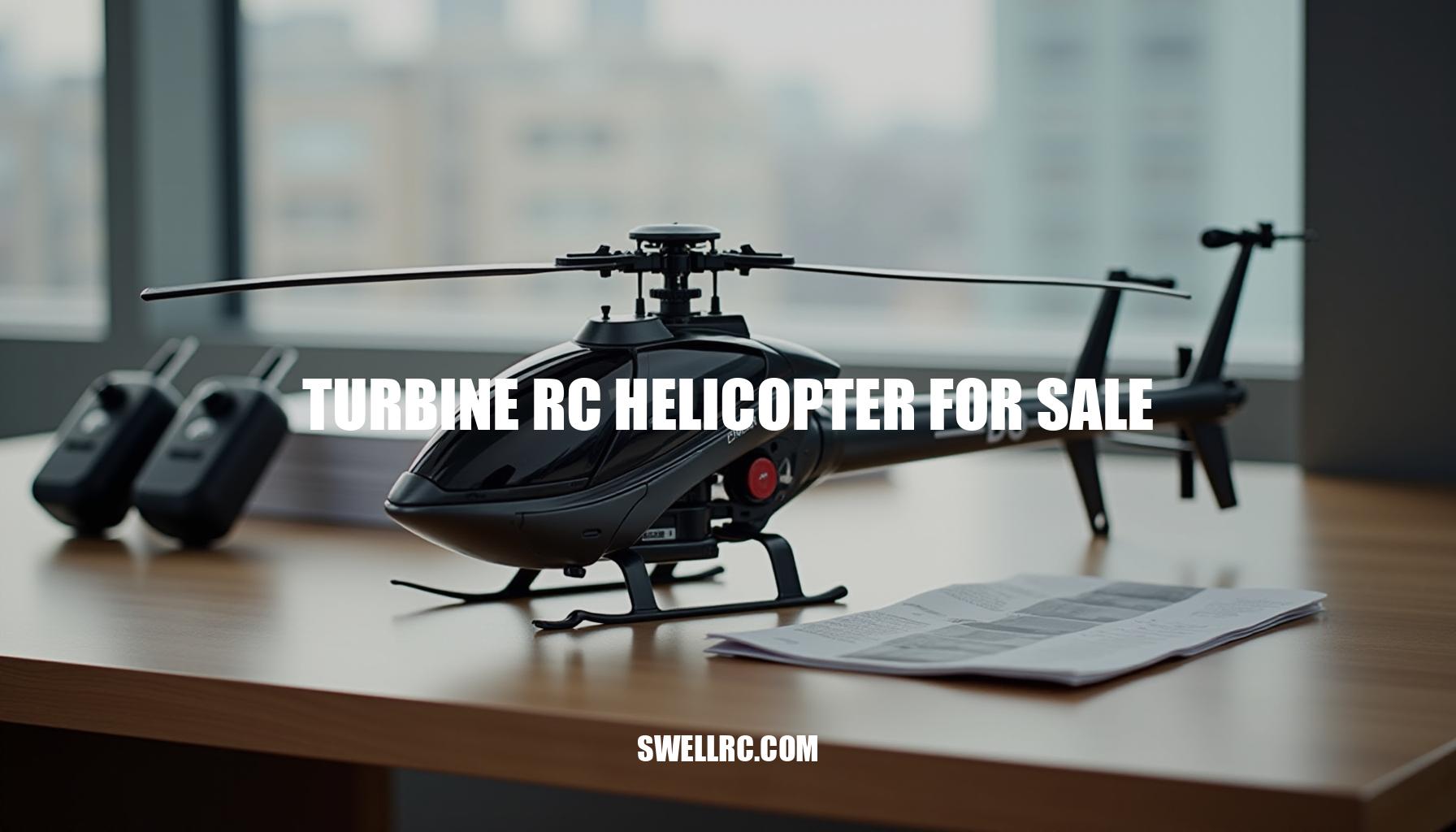
Turbine RC Helicopter for Sale: Expert Guide to Buying and Flying

The first time I stood behind a turbine heli on the pad and heard the whine spool into a clean whistle, I felt the same goosebumps I get near full‑scale rotorcraft. The scream of a turbine at full throttle isn’t just noise—it’s a promise of smooth, relentless power. If you’re searching for an RC turbine helicopter for sale, you’re stepping into the most realistic and technically rewarding corner of the RC aircraft hobby.
Understanding how turbine propulsion works is key to appreciating what sets these turbine engine models apart from traditional radio-controlled helicopters. Before you buy, consider factors such as fuel type, maintenance requirements, and the complexity of controls. The flight experience with a turbine helicopter often surpasses that of electric or nitro-powered models, delivering unmatched realism and performance.
Below, you’ll find curated picks from the latest remote control helicopter sale offerings, detailed upkeep tips, and expert advice to help you choose wisely and fly with confidence.
How a Turbine RC Helicopter Works — Inside the Engineering Marvel
Think of a miniature gas turbine as a tiny jet engine: air is compressed, mixed with fuel, ignited, and the expanding gases spin a turbine that delivers power to the main rotor through a gearbox. An electronic control unit (ECU), fuel pump, and filters manage start-up, throttle, and safety. Kerosene/Jet‑A (with oil mix, depending on system) feeds a very steady, vibration‑low powerplant.
The flight controller (FBL unit) then keeps the rotor disc rock‑solid, making the whole system feel full‑scale smooth. This level of engineering is what sets jet-powered RC helicopters apart.
How it differs from electric and gas/nitro models:
- Electric: instant torque, minimal maintenance, lower noise and heat, shorter setup complexity.
- Nitro/gas: more vibration and tuning than turbine, but cheaper to buy and operate; great stepping‑stone.
- Turbine: unmatched realism and sound, strong sustained power, higher cost, more heat management and inspections, especially when paired with advanced turbine flight control systems.
At a glance comparison of propulsion systems in RC helicopters:
| Propulsion | Power/Thrust | Runtime | Maintenance Cost | Complexity | Fuel | Sound |
|---|---|---|---|---|---|---|
| Turbine | Very high | 8–15 min | High | High | Jet‑A/Kero + oil | True turbine whistle |
| Electric | High | 4–8 min | Low | Low | LiPo/Li‑ion | Quiet/whir |
| Nitro/Gas | Moderate–High | 8–12 min | Medium | Medium | Nitro/Gas + oil | Combustion growl |
This comparison highlights why many enthusiasts who value realism and performance opt for the RC turbine helicopter. When evaluating turbine vs electric RC helicopter performance, the turbine’s sustained power and authentic sound make it a preferred choice for scale pilots despite the higher costs and maintenance complexity. Whether you’re after the iconic whistle of a turbine or the convenience of electric, understanding these differences ensures you pick the right propulsion for your flying style.
Buying Guide — What to Know Before You Buy a Turbine RC Helicopter
When considering turbine RC helicopter kits, it’s crucial to evaluate several key factors to ensure you get the most value and performance from your investment. Firstly, the total budget goes beyond just the airframe; quality turbine engines, ECU systems, flybarless units, servos, radios, and ground support gear often lead to costs exceeding even high-end electric builds. Additionally, field gear such as fuel, starters, and fire extinguishers, as well as spares, should be accounted for to grasp the full ownership cost.
Secondly, assess your skill level and training plan. Spending time on simulators and mastering smaller helis first will improve your confidence and flying expertise before moving up to complex turbines. Third, research the parts and service network since turbine maintenance demands scheduled engine servicing, access to local support, and periodic replacement of consumables.
Fourth, consider fuel and field logistics; proper storage, transport, and adherence to fire safety for Jet-A or kerosene fuel are non-negotiable. Lastly, understand turbine maintenance expectations including filter changes, bearing checks, borescope inspections, and maintaining operational logs to prolong engine life and reliability.
For matching your engine size with rotor class—typically 700/800+—remember that larger turbines bring increased weight and fuel consumption but offer remarkable authority and flight characteristics. When selecting an airframe, prioritize models with robust drivetrains, effective cooling airflow, and easy access to replacement parts. If you’re exploring RC helicopter blades for sale, ensure compatibility and durability to complement your gas turbine setup.
Wondering how much does a turbine RC helicopter cost or where to buy turbine RC helicopters? Trusted vendors and established RC communities are your best bet. Websites like SwellRC provide valuable guidance and peer reviews to navigate reputable sellers.
Moreover, insights from marine turbine projects offer cross-application innovation on heat management and fuel delivery that can enhance your miniature gas turbine experience.
Performance & Flight Experience — Feeling the Power: A Test Pilot’s Perspective
After countless hours of flight testing, I’ve finally grasped why turbine pilots smile during spool-up. The throttle response is measured and silky, yet once on the governor, the head holds like it’s on rails. The sound profile—a soft whistle at idle, rising to a crisp jet-like note—adds an immersion you simply don’t get elsewhere.
In fast forward flight, the disc loads predictably and the model carries momentum with full-scale grace, truly elevating the turbine flight experience.
For scalelike presence, I’ve flown realistic RC helicopters with turbine conversions styled after performance airframes like the SAB Goblin (view SAB Goblin) and military icons such as the Yuxiang F09 Black Hawk (view Yuxiang F09 Black Hawk). Size also matters—bigger machines track like they’re on autopilot. Check out what counts as the largest RC helicopter you can buy, illustrating the impressive stability and thrust capabilities of these machines.
Here’s a performance snapshot that highlights the differences between various turbine helicopter classes and gives insight into their remarkable performance turbine helicopter capabilities compared to electric models:
| Class | Thrust | Top Speed | Typical Runtime |
|---|---|---|---|
| 700‑class turbine | High | 100–130 mph (160–210 km/h) | 8–12 min |
| 800‑class turbine | Very high | 100–140+ mph (160–225+ km/h) | 7–11 min |
| Heavy scale (multi‑blade, detailed body) | High | 70–100 mph (110–160 km/h) | 6–9 min |
What truly stands out is the exceptional stability and thrust these turbines provide at speed and how they carry energy effortlessly through big air maneuvers. This purposeful and composed feeling brings the closest approximation to a real helicopter’s handling I’ve found, setting the benchmark when comparing turbine vs electric RC helicopter performance.
Best Turbine Helicopter Models for Sale — Top Picks That Truly Deliver
When exploring the turbine RC helicopter for sale market, buyers encounter a diverse selection tailored to various skill levels and preferences. Options range from dedicated turbine builds and popular airframes with turbine conversions to practical stepping-stone models suited for newer pilots. Below is a table featuring representative models with indicative ranges to help you make an informed choice:
| Model | Price | Power Output | Flight Time | Skill Level |
|---|---|---|---|---|
| JetCat PHT-class 700/800 Kit Combo | $$$$ | 8–15 kW | 7–12 min | Advanced |
| Jakadofsky Pro-class Scale Build | $$$$ | 10–20 kW | 6–10 min | Expert |
| Heavy Scale Twin/Multiblade (custom) | $$$ | High | 6–9 min | Expert |
| Boeing CH-47 Chinook RC Helicopter (scale platform, typically electric; turbine conversions possible) | $$$ | Medium–High | 5–8 min | Intermediate–Advanced |
| Hero RC H911 (trainer alternative, non-turbine) | $ | Low | 5–7 min | Beginner |
The JetCat PHT-class 700/800 Kit Combo and Jakadofsky Pro-class Scale Build remain top-tier choices for experienced pilots seeking high power output and extended flight times through quality turbine RC helicopter kits. For those wondering where to buy turbine RC helicopters that bridge performance and scale realism, the custom Heavy Scale Twin/Multiblade offers a potent option, albeit at an expert skill level.
If you’re not quite ready to dive into turbine power, consider mid-size electric models that offer excellent value and skill development—these are excellent alternatives before upgrading to the best turbine helicopter for beginners. Explore the best mid-size RC helicopter options here.
Before making a purchase, whether through a remote control helicopter sale or direct from dealers, always check warranty terms, engine service availability, ECU firmware updates, and spare parts support. Opting for reputable brands and trusted dealers ensures your investment is worth its weight in Jet-A fuel.
Maintenance and Safety Tips — Keeping Your Turbine Helicopter Airworthy
Routine helicopter turbine maintenance is essential to keep turbine machines happy and predictable, ensuring safe and efficient operation throughout their service life. A comprehensive maintenance checklist is recommended to cover all critical components, starting with preflight or each session checks such as fuel and filter inspections, leak assessments, line clamp verifications, ECU battery health, FBL sensor vibration checks, and control link inspections.
At intervals of every 10 to 15 flights, a thorough ECU log review, idle and acceleration calibration verification, as well as servicing of the inlet screen and fuel filter, help maintain optimal performance. More extensive inspections occur every 25 to 50 flights or according to OEM specifications, including bearing inspection or replacement as needed, borescoping the hot section, inspecting exhaust and heat shielding, and checking clutch and gear mesh integrity.
| Calibration Interval | Service Task |
|---|---|
| Every 10 flights or post firmware update | ECU trim and acceleration calibration |
| Every 25 flights or 6 months | Fuel filter replacement |
| Every 5 flights or after transport | Leak test and clamps re‑torque |
| Every 50 flights or annually | Borescope hot section inspection |
| Every session if available | Vibration log review (FBL/ECU) |
Adhering to these turbine calibration intervals is a critical part of turbine fuel system care and overall system reliability. Alongside maintenance, strict turbine flight safety protocols must be observed: keep spectators well behind the rotor arc using a solid start stand, always carry a Class B fire extinguisher and heat-resistant gloves, and respect wind limits. Avoid confined start-ups and be mindful of exhaust directions at all times.
It’s also imperative to program system failsafes such as throttle hold, bailout, and Return-to-Home (RTH) functions where applicable, along with conducting thorough range checks before flights.
A cross-industry insight from marine turbine systems underscores the importance of airflow management and mitigating heat soak—proper ducting and shielding are crucial as they dramatically reduce component stress, much like the considerations found in helicopter turbine airframes. Overall, implementing a disciplined maintenance checklist and conforming to established helicopter turbine maintenance and safety procedures will extend turbine life and ensure predictable machine performance.
Conclusion — Why the Turbine Experience is Worth Every Second
RC turbine helicopters represent the pinnacle of engineering brilliance combined with exhilarating realism. Their smooth power delivery, scalelike rotor sound, and commanding presence in the air set them apart from other models. Whether you’re comparing turbine vs electric helicopters, the unmistakable whistle and jet-powered feel of turbine models provide an experience that’s difficult to match.
Now that you understand how these remarkable machines work, what to look for when buying, how they fly, and how to properly care for them, you’re fully prepared to dive into the world of jet-powered RC helicopters with confidence. To help guide your journey, consider the following points from a trusted turbine helicopter buying guide:
- Assess engine reliability and maintenance requirements.
- Evaluate overall craftsmanship and helicopter design.
- Ensure compatibility with your current radio-controlled helicopters systems.
- Consider noise regulations and the environment where you’ll fly.
- Prepare for a steeper learning curve compared to electric models.
Embrace trusted resources and community support as you build your plan. Once you hear that iconic turbine whistle, you’ll realize there’s truly no going back to simpler designs.
Frequently Asked Questions
- How does a turbine RC helicopter work compared to electric or nitro models?
A turbine heli uses a miniature gas turbine (a tiny jet engine) to spin the main rotor via a gearbox. It’s smooth, powerful, and very consistent once on the governor, but has slower throttle response, more heat, and higher operating costs. Electric models deliver instant torque, low noise, and minimal maintenance. Nitro/gas use piston engines—cheaper than turbine with more tuning and vibration, and good flight times. - What makes turbine RC helicopters so expensive?
Precision‑built turbine engines, high‑temperature materials, ECU and fuel systems, low‑volume production, rigorous testing, and specialized support all drive cost. Add in robust airframes, quality servos/FBL, field gear, and ongoing maintenance—together they push prices far beyond typical electric or nitro setups. - Are turbine RC helicopters suitable for beginners?
Not directly. New pilots should start with a simulator and small electric trainers, then progress through 450–700 electrics before tackling turbine. Turbines demand polished setup, safety discipline, and confident flying skills. - What maintenance do turbine helicopters require?
Regular fuel system checks (filters, lines, leak tests), ECU log reviews and calibrations, bearing and hot‑section inspections (often via borescope), and periodic drivetrain checks. Heat shielding and airflow should be inspected frequently, and components replaced on schedule per the engine manufacturer. - How long can a turbine RC helicopter fly on a full tank?
Typically 8–15 minutes depending on engine size, tank capacity, head speed, and flight style. Heavy scale builds may see 6–9 minutes; efficient cruising with large tanks can extend beyond 12 minutes. - What’s the most powerful turbine RC helicopter on the market right now?
Power is largely determined by the engine class and airframe. High‑end setups using engines in the JetCat PHT or Jakadofsky Pro ranges paired with 800‑class airframes are among the most powerful commonly flown. Always check current manufacturer specs and thrust ratings when comparing options.

