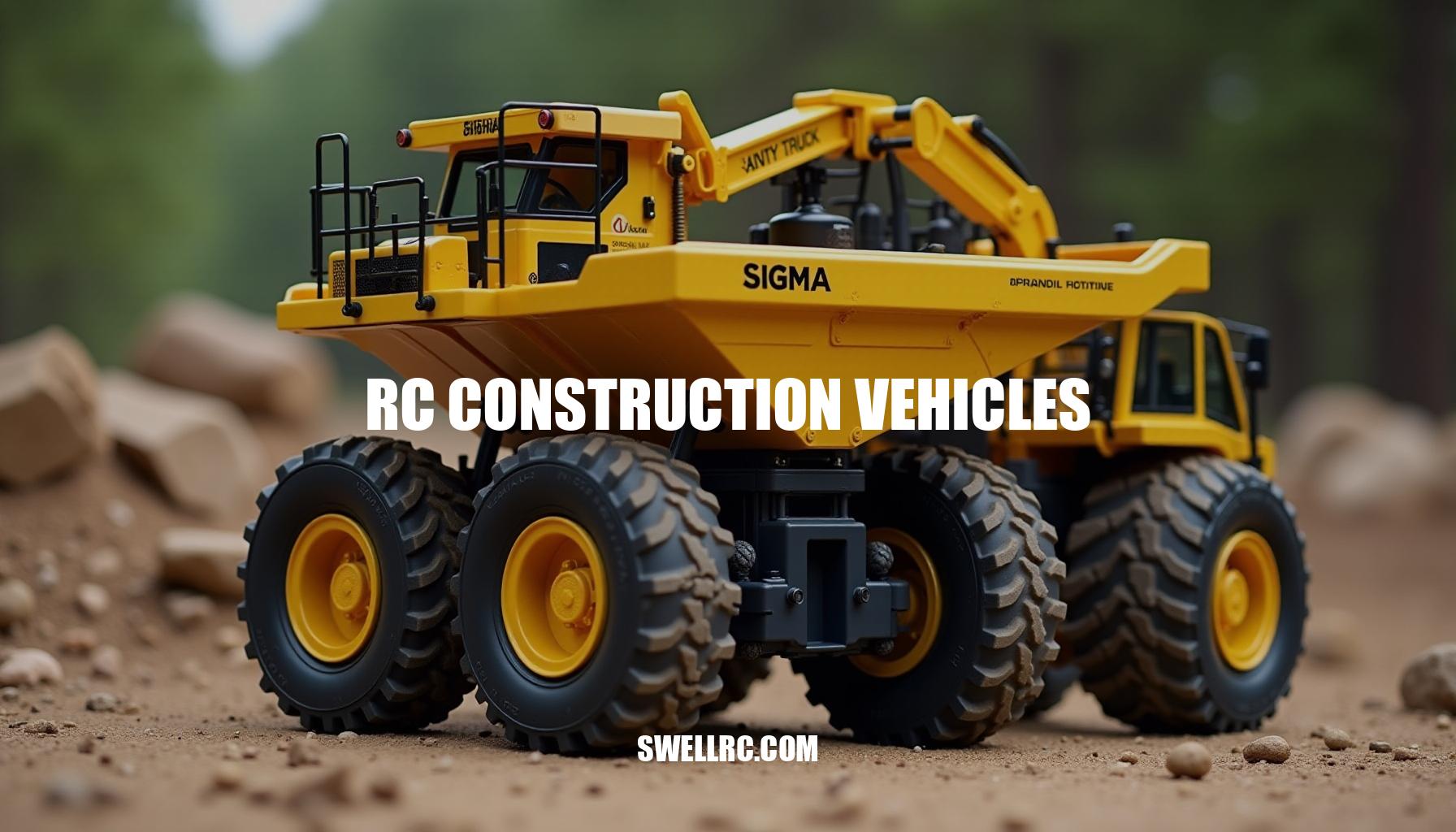
The Ultimate Guide to RC Construction Vehicles

I stumbled into RC construction vehicles the way a lot of great hobbies start: one mesmerizing video of a 1:14 excavator carving a trench with surgeon-like precision. Minutes later I was deep in a rabbit hole, comparing metal tracks, listening to scale engine sounds, and realizing these aren’t toys—they’re pocket-size earthmovers with real engineering inside. The wow factor is how closely modern RC construction models, dump trucks, bulldozers, loaders, and cranes mirror their full-size counterparts in strength, control, and workflow.
Proportional radio systems let you feather a bucket, curl a blade, or tip a bed with millimeter accuracy. Metal drivetrains, realistic hydraulics, and smart electronics turn backyard dirt into a jobsite. In this guide, I’ll share what I learned hands-on and from the community: how these machines actually work (electric vs hydraulic systems), what separates toy-grade from hobby-grade RC machinery, the scales and models enthusiasts love most, and how to build or customize your own.
We’ll talk performance in mud and gravel, highlight professional-level heavy-duty RC vehicles and collector-grade replicas, and give you the buying cues that matter—materials, power, control feel, and long-term reliability. By the end, you’ll know which path fits your budget and ambition—and why this niche with realistic RC construction sets and remote control excavators is so addicting.
Section One — How RC Construction Vehicles Actually Work
Understanding the mechanics behind realistic motion in RC models is crucial for evaluating their quality and performance, especially with radio-controlled dump trucks, RC bulldozers with hydraulic systems, and other RC engineering toys. At the heart of motion lies the drivetrain and control system: hobby-grade models typically use proportional radios operating on 2.4 GHz frequencies, paired with electronic speed controllers (ESCs) and precision servos. This setup allows smooth regulation of throttle, steering, and additional functions.
Robust metal gears, ball bearings, and dual-stage gearboxes ensure the torque needed for tasks like pushing dirt or digging.
When comparing electric vs hydraulic RC models, it’s important to note their distinct characteristics. Electric linear actuators and high-torque servos are favored for their simplicity, quiet operation, and low maintenance, making them ideal for users seeking efficiency. Conversely, hydraulic systems incorporate pumps, valves, reservoirs, and cylinders to produce highly realistic force and fluid motion, closely mimicking full-size construction equipment.
This hydraulic realism excels in continuous digging or lifting tasks. Some advanced kits blend these two, employing hybrid systems that combine electric drivetrains with hydraulic implements, striking a balance between responsiveness and authenticity.
| System | Power & Realism | Maintenance & Cost |
|---|---|---|
| Electric | Instant response, low noise | Lowest upkeep, budget-friendly |
| Hydraulic | High force, most realistic articulation | Pump, fluid, seals—higher upkeep and cost |
| Hybrid | Balanced traits | Moderate upkeep, mid-to-high cost |
Excavators and other complex models often require 6 to 10 or more radio channels to control different functions. Advanced radios provide features like end-point adjustments, exponential curves, and mixing. These capabilities refine the joystick sensitivity and response, delivering a silkier, more precise stick feel, enhancing user control.
Scale plays a significant role in balancing realism and practicality. Popular options such as 1:16 and 1:14 provide a tangible presence while keeping weights manageable. Larger scale models offer increased mass and traction, which helps in stability and digging power, but also introduce higher mechanical stress on drivetrains and linkages, potentially affecting durability.
Powering these machines typically involves LiPo batteries, favored for their high energy density and consistent output. For hobbyists interested in mimicking the sound and runtime experience of real construction equipment, gas-powered RC truck kits are an exciting alternative to explore (see gas-powered RC truck kits), offering internal-combustion vibes at the scale level.
Section Two — Exploring the Most Impressive Models and Scales
When stepping into the world of scale construction trucks and remote-controlled earthmovers, understanding the impact of scale is crucial to set expectations for size, power, and presence. For instance, the 1:16 scale makes a fantastic entry point for enthusiasts looking for models that are lighter and easier to transport. These are often electric-actuated, perfectly suited for indoor layouts and smaller outdoor digs.
Moving up, the 1:14 scale RC excavator strikes the perfect balance between realism and portability, featuring heavier metal tracks and buckets, increased torque, and sufficient room to incorporate authentic hydraulics.
- 1:16 scale: Great for newcomers. Lighter weight, easy transport, mainly electric actuation. Ideal indoor and small outdoor use.
- 1:14 scale: Optimal blend of realism and portability.
Features metal tracks and buckets for durability; enhanced torque; supports hydraulic systems.
- 1:10 scale and larger: Commands a big presence with the ability to haul substantial loads. Necessitates robust drivetrains and careful transport. For inspiration on oversized builds, see the biggest scale RC car overview.
To elevate realism, many models integrate metal tracks, steel gears, and CNC-cut links, adding both durability and weight that enhance traction and digging authority.
Sound modules, LED work lights, and beacon strobes further immerse you in a realistic jobsite atmosphere. High-end controls, including fine-link joysticks and multi-channel radios, allow you to independently operate booms, arms, buckets, blades, and outriggers.
When exploring brands, enthusiasts often mention Huina, Diecast Masters, and Tamiya-based customs for entry to mid-level options. For those seeking premium quality, boutique hydraulic builders like RC4WD components, Wedico, Magom HRC, and Premacon offer exceptional craftsmanship.
A key tip to keep in mind: as you move toward larger scales such as the RC crane with metal body, the increased traction and digging power require superior metal components and dedicated cooling solutions for pumps and ESCs, ensuring optimal performance and longevity.
Section Three — Building and Customizing RC Construction Vehicles
If you’ve ever wondered, can you build your own RC excavator? The answer is a resounding yes! With realistic RC construction sets and hobby-grade RC machinery kits available, diving into this rewarding hobby is easier than you think. Here’s a simple path to guide you from picking your first kit through to advanced modifications that will make your builds stand out.
Getting started:
- Tools: Equip yourself with essential items like hex drivers, a quality soldering iron, thread locker to secure bolts, precise calipers, a sharp hobby knife, silicone grease for smooth operations, heat-shrink tubing for wiring safety, and a reliable LiPo charger.
- Kits and bases: Explore buildable RC cars collections which provide great chassis and drivetrain options. Many hobbyists creatively convert basic truck frames into dump trucks or loaders, offering a fantastic canvas for customization.
- Skill levels: Start by mastering electric components such as servos and actuators. Once comfortable with these, step into hydraulics by learning about plumbing, bleeding lines, and tuning pumps. This gradual progression ensures safety and builds confidence.
Popular mods and upgrades to consider:
- Integrate hydraulic arms or tilt cylinders, install higher-pressure pumps, and experiment with finer spool valves for more precise control.
- Upgrade to metal tracks, steel gears, and enhanced bearings to increase durability and performance.
- Boost your servos with higher torque models or coreless/brushless variants and pair them with Electronic Speed Controllers (ESCs) offering better throttle resolution.
- Add scale details such as weathering effects, operator figures, LED work bars, and sound modules to achieve an authentic touch.
If you’re passionate about big tires and torque, check out this guide on how to make a RC monster truck. The fabrication techniques there often cross over seamlessly to enhancing loaders and dumpers, allowing you to unleash your creativity across projects.
Safety and tuning tips:
- Always secure heavy models on stable stands during setup and maintenance to prevent accidents.
- For hydraulic systems, regularly check for leaks, use the correct hydraulic fluid, and ensure the pressure relief valve is set to specifications.
- Calibrate servo endpoints carefully to avoid binding issues, and when testing new setups, start at low pressure or throttle settings to monitor performance safely.
By following this pathway and embracing the journey, even beginners can confidently build and enhance their own RC machines, transforming basic kits into realistic, high-performing models. Whether you’re interested in building an RC excavator or exploring intricate modifications, these tips provide a clear and safe approach to hobby-grade RC machinery projects.
Section Four — Performance and Off-Road Capabilities
When selecting heavy-duty RC vehicles tailored for real-world dirt, gravel, mud, and water crossings, understanding the interplay of traction, torque, waterproofing, and terrain handling is essential. Traction hinges on weight distribution, track or tire design, and compound material. For instance, metal tracks excel in gravel by biting firmly but might slip on smooth rock surfaces, whereas balloon tires excel at floating over ruts yet lack precision for grading tasks.
Torque and gearing play a crucial role too. Low-KV motors paired with reduction gearboxes enable remote control earthmovers to maintain slow, controlled force under load, imperative for construction tasks rather than speed. Additionally, hydraulic pumps require proper voltage and cooling for sustained digging efficiency.
Waterproofing can’t be overlooked. Sealed receivers, ESCs, and protected pumps ensure reliability on wet worksites. For rugged drivetrain waterproofing benchmarks, resources like the best RC trucks 4×4 off-road waterproof provide valuable insights.
| Terrain | Key Factors | Setup Tips |
|---|---|---|
| Dirt | Lugs and weight | Lower tire pressure; add weight |
| Gravel | Track pattern | Use metal tracks; fit mudguards |
| Mud | Sealing and tire cleats | Fit cleated tires; conformal coat electronics |
| Wet crossings | IP ratings, protected bearings | Ensure sealed electronics; check waterproof ratings |
For best RC construction vehicles for beginners, slow, controlled setups focusing on torque and waterproofing provide confidence during rugged outdoor use. After sessions in wet or muddy conditions, gently rinse off debris, thoroughly dry the vehicle, re-lubricate metal parts, and inspect bearings plus hydraulic fittings to maintain optimal performance and durability.
Section Five — Professional-Level RC Machines and Collectible Builds
Delving into the upper tier of professional-grade RC vehicles reveals machines that seamlessly blur the lines between hobbyist enthusiasm and genuine engineering prowess. These are not mere toys; they embody precision, durability, and sophisticated control systems that set them apart. What truly distinguishes a model as professional-grade?
It starts with hydraulic implements featuring precise valve control paired with high-pressure pumps, delivering lifelike movement and power. Complementing this, robust build quality comes in the form of all-metal chassis, steel gears, and fully serviceable components designed for long-term reliability. Control is equally advanced, relying on multi-channel radios equipped with mixers, telemetry, and fine endpoint adjustments to provide unparalleled responsiveness and customization.
Understanding value in this realm means recognizing the spectrum of pricing, corresponding to levels of realism and functionality. For those curious about the pricing landscape, here’s an approximate guide:
| Category | Price Range (USD) | Description |
|---|---|---|
| Toy-grade electric | $50–$150 | Basic models with limited metal parts and simple electronics. |
| Hobby electric construction (metal upgrades) | $200–$800 | Enhanced durability with partial metal components and better control. |
| Entry hydraulic machines | $1,500–$3,000 | Full hydraulic control systems and robust metal builds. |
| Premium/custom hydraulic builds | $3,000–$10,000+ | Top-tier performance, custom tuning, and industry-leading components. |
Exploring top brands for scale construction vehicles gives insight into which manufacturers lead the charge in combining realism with engineering excellence. Additionally, enthusiasts and serious builders often debate how realistic are RC excavators in replicating real-world operation, with hydraulic precision and detailed chassis making a significant difference. For those aiming to appreciate or own truly professional-grade RC vehicles, resources like SwellRC’s professional RC cars review provide excellent context on premium electronics, drivetrains, and finishing touches that elevate these models beyond typical hobby grade.
Collectors and builders also find inspiration in realistic replicas, from scale icons like the RC General Lee to rugged go-anywhere 4x4s such as the RC Nissan Patrol. These models demonstrate meticulous attention to scale detailing standards, which builders can apply when creating their own sophisticated construction fleets.
On the far end of the price spectrum, some of the world’s most expensive RC cars offer examples of how complexity and luxury can drive costs skyward—see the most expensive RC car overview for deeper insights.
Finally, the community surrounding professional-grade RC vehicles is vibrant and welcoming. Global meets and exhibitions showcase jobsite layouts, multi-vehicle coordination, and advanced weathering techniques that bring scenes to life. Builders actively share CAD files, 3D print designs, and hydraulic tuning tips—making these platforms invaluable for learning, sourcing parts, and connecting with like-minded enthusiasts eager to push the boundaries of scale construction realism.
Conclusion — Why RC Construction Vehicles Are More Than a Hobby
RC construction vehicles blend functional beauty with hands-on engineering, allowing enthusiasts to immerse themselves in the world of scale construction trucks with unparalleled detail. You’re not just driving—you’re planning digs, balancing loads, tuning pumps, and coordinating multiple machines like a real site manager.
Whether you start with a simple electric dump truck or jump into a hydraulic excavator, every upgrade teaches you something valuable: metallurgy, electronics, fluid power, and radio control finesse. This journey through hobby-grade RC machinery helps build skills that go far beyond casual play.
If you’re hooked on realism and creative problem-solving, the niche of RC construction models rewards your curiosity and dedication.
Consider the following pathway to mastery:
- Start with a dependable base model to understand the basics.
- Add metal components where it counts for durability and precision.
- Take on a small build project, gaining practical experience.
- Progress to bigger, more complex builds that challenge your skills.
Before long, you’ll be mastering small-scale construction with confidence and precision, turning any patch of dirt into a tiny world of power and possibility.
Frequently Asked Questions
- What are RC construction vehicles used for?
They’re used for hobby fun, scale modeling, and hands-on engineering practice—digging, grading, hauling, and lifting on miniature jobsites. They’re also used in clubs, educational programs, and filming or display layouts. - How do RC excavators and bulldozers work?
Electric models use motors, gearboxes, and servos or linear actuators for motion. Hydraulic models add a pump, valves, reservoir, and cylinders for realistic force. Multi-channel radios provide proportional control over booms, buckets, blades, and drive functions. - Are RC construction vehicles good for adults or just kids?
Both. Toy-grade models suit kids and casual play. Hobby-grade and hydraulic machines are designed for adults, offering complex assembly, higher power, and precision control—along with safety and maintenance responsibilities. - What brands make the best RC construction equipment?
For approachable options: Huina, Diecast Masters, and Tamiya-based customs. For higher-end parts or hydraulics: RC4WD, Wedico, Magom HRC, and boutique builders like Premacon and similar specialists. - How much do realistic RC construction models cost?
Expect roughly 200–800 USD for hobby electric models with metal parts, 1,500–3,000 USD for entry-level hydraulic machines, and 3,000–10,000+ USD for premium or custom hydraulic builds. - What’s the most powerful RC construction vehicle available?
High-end 1:14 hydraulic excavators and loaders from boutique builders tend to be the most capable, leveraging high-pressure pumps, metal frames, and precision valves for continuous digging and lifting. - Can you build your own RC dump truck?
Yes. Start with a metal chassis and geared axles, add a gearbox and tip mechanism (servo, linear actuator, or hydraulics), and choose a multi-channel radio. Many hobbyists adapt truck kits and fabricate beds from aluminum or steel. - What kind of maintenance do RC construction vehicles need?
Routine cleaning, bearing lubrication, gear inspection, and screw checks. Hydraulics need leak checks, correct fluid, filter changes, and pressure adjustments. Electronics require battery care, connector inspection, and radio recalibration.