Mastering Buddy RC Planes: A Beginner’s Guide to Safe and Effective Training

The first time I flew with a buddy RC planes setup, my thumbs were shaking and the wind was gusty—classic recipe for a new pilot’s lawn dart. Thirty seconds after takeoff I lost orientation, but instead of hearing foam crunch, my instructor clicked his switch, took command, leveled out, and handed control back to me. That moment is why I’m a true believer in the buddy box system.
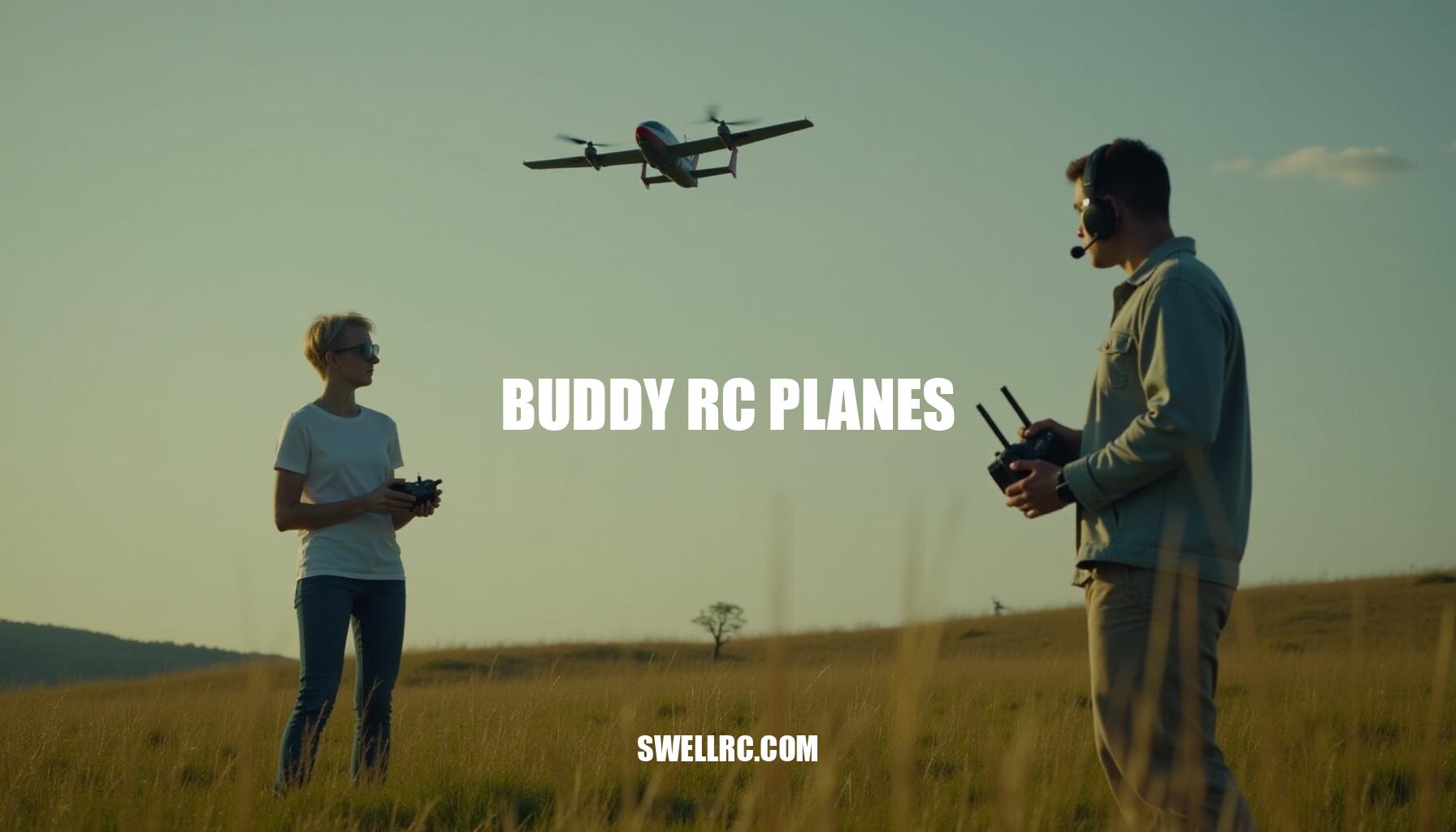
In simple terms, a buddy box system involves trainer planes or remote control airplanes flown with two linked transmitters—a dual transmitter setup—so an experienced pilot can instantly take over if the student gets into trouble. It’s perfect for beginner pilots, returning flyers, and even seasoned hobbyists learning new maneuvers. What I found absolutely changed how I view RC flight training: the buddy system turns scary first flights into safe, confidence-building sessions, enhancing flight safety and skills alike.
This approach fits right into today’s booming RC scene, where smart radios, stabilization technology, and community clubs make learning to fly RC more accessible than ever. Embracing trainer planes with a buddy system makes mastering the art of RC planes both approachable and enjoyable for all skill levels.
How Buddy RC Planes Work — The Hidden Magic Behind the System
Think of it like driver’s ed for the sky. A buddy box system uses a dual transmitter setup where two transmitters are linked—either with a trainer cable or wirelessly—to keep the instructor’s radio (the master) in full control until they press and hold a trainer switch to pass control to the student’s radio (the slave). If the student drifts off heading, goes low, or over-controls, the instructor simply releases the switch and instantly regains command.
This near-instant handoff is the secret sauce for safe, fast learning and elevated RC safety.
Step-by-step, the process goes:
- Bind the plane’s receiver to the instructor’s transmitter.
- Link the student transmitter to the instructor via cable or wireless trainer using master-slave radios.
- Confirm control directions and rates on both radios.
- Perform a range check and a short hover taxi test.
- Instructor takes off, passes control in the air, and monitors altitude and attitude.
Modern ecosystems like Spektrum and E-flite, popular brands under Horizon Hobby, make this especially smooth thanks to built-in trainer modes and stabilization assists. Many setups allow wireless trainer linking, eliminating the risk of a cord snag mid-flight.
If you’re already eyeing step-up airframes down the road, you can eventually move from trainers to more refined aircraft such as the advanced builds you’ll find under Pilot RC planes.
| Aspect | Solo Training | Buddy System |
|---|---|---|
| Crash risk | High during early flights | Dramatically reduced with instant instructor takeover |
| Learning curve | Slower, fear-driven | Faster, confidence-driven |
| Repair costs | Frequent foam/prop replacements | Minimal, more flight time than fix time |
| Instructor intervention | Shouting from the sidelines | One switch, immediate save |
Choosing the Right Buddy RC Plane — What My Testing Revealed
After rotating several trainers through club sessions, a few patterns stood out: planes with high wings, gentle power, and effective stabilization like SAFE or AS3X kept new pilots relaxed and learning longer. Setup ease mattered, too — wireless trainer links and clearly labeled modes prevented parking-lot headaches. I also found micro RC planes and sub-250g RC airframes great for practicing in tighter spaces, though they’re a bit twitchier in wind.
Here’s a concise comparison guide with categories and examples for the best RC trainer planes and best RC planes for beginners:
| Category | What to Look For | Examples |
|---|---|---|
| Beginner-Friendly | High-wing, tricycle gear, SAFE/gyro stabilization, durable foam | AeroScout S 2 1.1m RTF, E-flite Apprentice STS, HobbyZone Sport Cub |
| Intermediate/Training Hybrid | More authority, flaperons or AS3X-like stabilization, better glide | E-flite Timber series, T-28 Trojan, foam warbirds with low rates |
| Advanced Learning Platforms | Higher power-to-weight, aerobatic capability, rates/expo tuning | Sport aerobats, pattern-style airframes, lightweight balsa or EPO |
If you’re tight on space or want living-room practice vibes, mini RC planes and micro RC planes can be fantastic. Explore UMX airplanes and see what makes the best mini RC plane options shine here. For budget-conscious flyers, consider affordable RC planes and even RC airplanes under $50.
Want to avoid registration hassles or keep things super portable? Choosing a sub-250g RC plane is a smart path.
In the mid- to higher-end arena, I’ve had positive experiences with the build quality and component curation from Esprit RC planes and the variety offered by World Models RC planes. Once your fundamentals click, many pilots love dabbling in precision indoor aerobatics — F3P RC planes are an inspiring next-step for reps and skill refinement.
Mastering Control and Confidence — Lessons Only a Buddy System Teaches
The biggest surprise with RC pilot training is how quickly muscle memory forms when an experienced instructor can instantly perform an instructor takeover to correct any mistakes mid-flight. This safety net encourages trainees to push their limits during each session—practicing coordinated turns, slow flight, and flares—without spiraling into over-corrections fueled by fear. Because the instructor can reset the aircraft’s attitude in mid-air, every attempt transforms into a repeatable lesson instead of an expensive repair call.
Early on, you’ll notice five crucial flight habits clicking into place:
- Throttle control: Maintaining enough airspeed during banked turns and within the traffic pattern to ensure smooth, safe maneuvers.
- Recovery techniques: Reacting reflexively by neutralizing controls, adding power, leveling wings, and climbing to regain control promptly after an upset.
- Approach and landing timing: Setting up the base-to-final leg early, so the landing sequence feels unhurried and deliberate.
- Calm decision-making: Pausing at altitude to diagnose issues thoughtfully instead of resorting to aggressive stick inputs.
- Spatial awareness: Using environmental cues like wind, sun angle, and background features for better orientation in the sky.
These foundational skills are the same core blocks used in professional aerobatic and commercial UAS training programs. The process typically involves building solid habits at a safe altitude, debriefing each flight to understand what happened, and then re-running scenarios with incremental challenges. Incorporating flight simulators further accelerates this muscle memory development, enabling RC pilots to enhance their precision and confidence before even taking the controls.
Beyond Training — When You Outgrow the Buddy System
You’ll know it’s time to disconnect when your instructor is barely touching the switch and you’re flying full patterns, greasing landings, and managing wind confidently. The flight progression is simple:
- Start with longer student-control stretches,
- Then do full approaches,
- And finally complete flights—with an instructor nearby for the first few solo RC flying sessions.
From there, set goals that emphasize training milestones and skill development, such as:
- Circuits in crosswind,
- Touch-and-go practice,
- Then basic aerobatics like loops and rolls.
Many pilots step into sport and pattern flying-style aircraft; others focus on STOL fun or scale warbirds. To boost your growth and confidence, consider joining local RC clubs, actively seek mentoring, keep debriefing flights with friends, and never stop simming on rainy evenings. My move to solo flights was nerve-wracking, but that first clean circuit without a bailout?
Absolutely exhilarating—and the gateway to years of RC adventures filled with skill, freedom, and fun.
Conclusion: Why Every New Pilot Deserves a Buddy RC Experience
Buddy flying has transformed my early jitters into steady habits, making safe RC training feel collaborative instead of risky. With two linked transmitters through the buddy box RC system and a calm voice in your ear, you gain more flight time, fewer repairs, and faster skill progression.
Here’s how to get the most out of this approach:
- Start with a forgiving trainer mode aircraft that’s designed for beginners.
- Lean on the buddy box RC setup to share control and build confidence.
- Keep challenging yourself as you improve your handling of remote control airplanes.
Whether you’re chasing smooth landings or crisp aerobatics, having the right setup, a supportive RC community, and a dash of curiosity will carry you a long way. This method has proven invaluable in my own journey as one of many beginner RC pilots, and I eagerly anticipate seeing your skill progression soar just as high.
Frequently Asked Questions
- What is a buddy RC plane?
It’s any RC trainer flown with two linked transmitters—an instructor’s master radio and a student’s radio—so the instructor can instantly take control, preventing crashes and speeding up learning. - How does the buddy box system work for RC pilots?
The plane is bound to the instructor’s radio. A cable or wireless link connects the student radio to the instructor’s. The instructor holds a trainer switch to pass control and releases it to take over immediately. - Are buddy RC planes good for beginners?
Yes. They dramatically reduce crash risk, build confidence, and let you practice harder maneuvers safely, which shortens the learning curve. - What equipment do you need for RC flight training?
A trainer airplane with stabilization, two compatible transmitters, a trainer cable or wireless link, a properly bound receiver, charged flight batteries, spare props, and optionally a flight simulator for at-home practice. - Can you turn any RC plane into a buddy plane?
Often yes, if your transmitter supports trainer mode and your receiver is compatible. Stabilization helps. Toy-grade or very old systems may not support trainer linking. - What’s the best RC trainer plane for first-timers?
Look for a high-wing, durable foam trainer with stabilization and tricycle gear. Popular picks include models like the AeroScout S 2 and E-flite Apprentice STS. - Are there cheap buddy RC plane options for practice?
Yes. Micro and budget foam trainers can be inexpensive and effective, especially for calm-weather sessions or small fields. Just verify radio compatibility for trainer linking.