Reviving Discontinued Dumas Boats: A Guide to Restoration and Alternatives

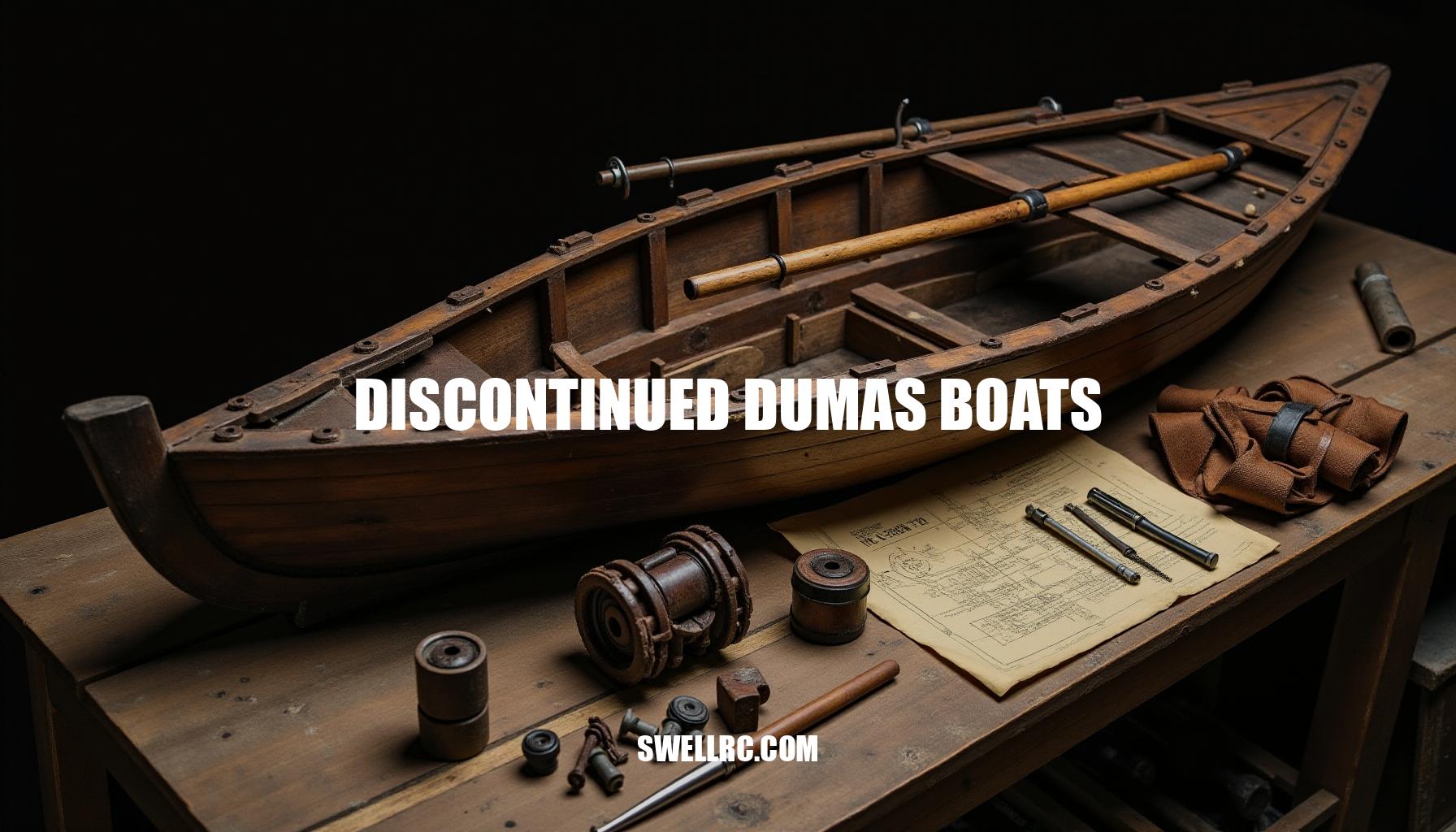
There I was, wandering through a dusty hobby shop aisle when my eyes caught the faint glimmer of a timeworn Dumas runabout sitting quietly on a weathered shelf. Picking it up felt like unlocking a forgotten treasure—a tangible piece of nostalgia wrapped in fine craftsmanship and history. This moment sparked a quest: to unravel the story behind these discontinued Dumas boats and understand why, decades later, they continue to captivate remote control boat collectors and wooden model boats enthusiasts alike.
Dumas Products Inc.
carved its legacy during the golden era of RC boats and model boat kits, becoming synonymous with detailed, high-quality wooden models that brought the thrill of boating right into living rooms. Though no longer in production, classic Dumas runabouts and iconic models like the Dumas Chris-Craft maintain a cult following, cherished for their blend of artistry and engineering.
For a sense of the brand’s breadth, see today’s Dumas model boats (https://www.swellrc.com/dumas-model-boats/). This article invites you on a hands-on journey—exploring both the rich history of Dumas Products Inc.
and offering practical guidance for finding, restoring, or choosing alternatives to these timeless wooden treasures. Whether you’re a seasoned remote control boat collector or new to the world of model boat kits, dive in and rediscover the enduring allure of Dumas’s craftsmanship and nostalgia.
Section One: The Golden Era of Dumas Model Boats
Tracing the history of Dumas boats is like opening a well-worn workshop door to a world filled with the fragrant aroma of fresh-cut wood and varnish sheen catching the light. Founded in the mid-20th century, Dumas models began with a humble ethos: to create accessible, yet exquisitely detailed wooden model boats that invited both seasoned hobbyists and curious tinkerers inside their fold. Their journey mirrors the untamed enthusiasm that swept the model boating community as demand surged for scale accuracy in replicas—none more iconic than their striking Dumas Chris-Craft kits.
The early days saw a focus on display models—detailed, rich with mahogany veneers, and laser-cut wood components that offered unprecedented precision. But as the hobby evolved, Dumas embraced the challenge to transition from static showcases to high-functioning RC watercraft. This paved the way for the explosion of interest in hydroplanes, classic runabouts, and models built on the revolutionary Deep-V hull design, which enhanced stability and performance on water, spinning new life into wooden model boats.
Distinctive hallmarks of Dumas kits include the use of finely laser-cut wood parts and decadent mahogany veneers that mimic the rich look of full-scale boats. Their scale hardware—from tiny brass cleats to miniature steering wheels—immersed builders in authentic detail, while the clear, thoughtfully crafted plans broke down complex builds into approachable steps, welcoming artisans of all skill levels. This approach set them apart from contemporaries such as Graupner model boats and Robbe model boats, whose offerings, though excellent, leaned more toward technical innovation or international variety rather than the woodcraft-focused, warm, and inviting spirit Dumas cultivated.
Below is a summary table capturing representative top models and eras that define the Dumas legacy:
| Model | Type | Era / Years | Power | Notable Design Features | Collector Appeal |
|---|---|---|---|---|---|
| Chris-Craft Runabout Mk I | Runabout | 1960s | Electric / Nitro | Mahogany veneer, scale hardware, classic cruiser styling | High – iconic status among wood model enthusiasts |
| 190 Hydro Flyer | Hydroplane | 1970s | Nitro | Deep-V hull, sleek aerodynamic design | Moderate – prized for performance and aesthetics |
| Golden Arrow Offshore | Offshore Racer | 1980s | Electric | Scale hardware, sturdy hull, detailed deck fittings | High – rarity and detailed craftsmanship |
| Chris-Craft Runabout Mk II | Runabout | 1990s | Electric | Improved Deep-V hull, laser-cut precision parts | Very High – considered the pinnacle of scale fidelity |
Each launch from these kits echoed the first-launch jitters, the quiet triumph of varnished finishes, and the steady hum of lovingly tuned motors. It’s no wonder that today, discontinued Dumas models enjoy such fervent collector appeal. They are not merely wooden model boats; they are a tangible link to a golden age of craftsmanship, where the art of building was as celebrated as the thrill of sailing.
Section Two: Why Some Dumas Boats Were Discontinued
Discontinuations in the hobby market, particularly for RC boats, stem from several practical business and evolving market dynamics, rather than mere speculation. As consumer preferences have shifted, ease of use has become paramount. Electric power systems, favored for their simplicity and lower maintenance, gradually eclipsed nitro engines, which require intricate tuning and ongoing upkeep.
Safety and noise concerns also nudged buyers toward quieter, cleaner electric models. Additionally, the rise of ARTR (Almost Ready To Run) and RTF (Ready To Fly) kits has set new expectations for user convenience, affecting demand patterns.
Performance-driven niches and the growing popularity of composite materials further influenced tastes. Enthusiasts increasingly value durability, lightweight construction, and advanced powertrains, trends exemplified by specialized platforms like the Seaducer RC boats, which embody these modern market influences.
After countless hours comparing catalogs, forum build logs, and stories from veteran hobbyists, common patterns emerged. Discontinuations often coincide with rising material and licensing costs, the retirement of specialized tooling, and shifts from nitro to electric technologies that demand different manufacturing processes. These factors collectively make sustaining classic kit lines commercially challenging.
| Aspect | Discontinued Classics | Current Common Kits |
|---|---|---|
| Construction | Wood, often with balsa or plywood frameworks | Composite materials such as fiberglass or carbon fiber |
| Power System Expectations | Nitro engines; focus on tuning and maintenance | Electric motors; plug-and-play simplicity |
| Skill Level | Advanced; required assembly, tuning, frequent maintenance | Beginner to intermediate; ARTR/RTF models for quick start |
| Parts Availability | Limited; many parts out of production | Wide availability; active support from manufacturers |
| Typical Price Range | Moderate to high, but often fluctuates due to scarcity | Moderate; competitive pricing with mass production |
Ultimately, market trends, materials and tooling challenges, and licensing factors provide a clear business rationale for why discontinued kits fade from catalogs. However, discontinuation does not equate to obsolescence. Many classic designs remain superb platforms for integrating modern electronics, preserving their appeal to dedicated builders and collectors.
This balanced appreciation underscores the evolving hobby evolution, where nostalgia and innovation coexist to sustain a vibrant RC boating community.
Section Three: The Most Iconic Discontinued Dumas Boats
Celebrating standout discontinued models in the RC boating world is like flipping through a cherished photo album filled with iconic Dumas boats and classic memories. Take the Dumas Scarab RC boat, for example—it’s not just a model, it embodies offshore mystique with its signature Deep‑V hull design that delivers unparalleled stability at speed. Its sleek profile made it a poster boat for adrenaline-fueled runs across the water; I still remember polishing a transom until I could see the ceiling lights in the varnish, marveling at the craftsmanship that brought this beauty to life (learn more about the Dumas Scarab here).
Similarly, vintage Chris‑Craft replicas transport enthusiasts back to a golden era of elegant design—mahogany veneers gleaming under pristine varnish, chrome-like fittings catching every ray, and display-quality finishes that keep these runabouts looking runway-ready at any pond gathering. These classic models have a magnetism that can’t be replicated, a testament to the timeless appeal of scale detailing and artisanal construction.
Here’s a quick snapshot of what made these vintage RC boats truly special:
- Hull styles: Deep‑V hulls for offshore performance, sleek hydroplane designs for blistering speed, and scale runabouts capturing classic charm.
- Power setups: Original kits often featured brushed motors with NiCd batteries, whereas modern upgrades boast brushless systems and LiPo packs for enhanced thrust and longer run times.
- Collector desirability cues: Complete hardware sets, original box artwork, and unstarted kits dramatically boost collector appeal and value.
For those exploring adjacent waters, the current marketplace is vibrant with options like Bonzi boats for sale and the iconic 45 Cigarette RC boat genre, each carrying their own legacy and enthusiastic followings. Yet, the charm of classic Dumas runabouts and their deep‑V hulls continues to captivate hobbyists and collectors alike, blending nostalgia with hands-on restoration joy and competitive spirit. These models don’t just occupy space on shelves or in auctions; they live in the heart of the RC boating community, symbols of style and speed that refuse to fade away.
Section Four: Collecting, Restoring, and Rebuilding Discontinued Dumas Boats
Embarking on the journey to restore Dumas boats can be a rewarding adventure filled with both elation and inevitable hiccups. First, knowing where to start is crucial for sourcing vintage kits. Estate sales, local club swaps, online auctions, specialty hobby shops with old stock, and dedicated collector forums/groups are ideal hunting grounds.
When evaluating potential finds, pay close attention to the wood’s straightness, veneer condition, the completeness of hardware and plans, and watch for older adhesives or lingering fuel residue that might compromise integrity.
Modernizing your restoration gracefully involves thoughtful upgrades such as swapping outdated drivetrains, sealing hulls properly with the latest products compatible with legacy materials, upgrading Electronic Speed Controllers (ESCs) along with brushless motors, and rewiring with today’s connectors—all while preserving the cherished scale charm of these classic models. For those considering repowering outboards or specialty builds, referencing compatible components and upgrades like model outboard motors designed specifically for model boats (see here) can make all the difference.
Here are my top numbered restoration tips to boost your refurbishment success:
- Stabilize the structure before cosmetics: Ensure the frame and hull are sound before addressing finishes.
- Map and bag hardware; photograph every step: Keep organized to easily reassemble replacement parts and scale hardware.
- Test-fit running gear dry before epoxy: This prevents costly mistakes during permanent assembly.
- Use modern sealers/finishes compatible with legacy woods and adhesives: Proper hull sealing extends longevity and appearance.
- Replace fuel-soaked wood, not just refinish it: Salvageable timber aids in durability and safety.
- Upgrade electrics conservatively—balance speed with hull age: Brushless upgrades can enhance performance without risking hull damage.
- Lake-test incrementally; log temps and amp draw: Monitor running conditions to ensure reliability and tune accordingly.
Through my own restoration journey, I learned the hard way, but every late-night fix was worth it when the hull finally planed clean. By following these practical, field-tested guidelines, you can confidently find, revive, and maintain classic Dumas boats—transforming forgotten kits into stunning, running works of art that honor their legacy.
Section Five: Today’s Alternatives to Discontinued Dumas Boats
For builders eager to experience the hands‑on rhythm of classic RC boat construction, Dumas RC boats remain a go-to choice, with wooden kits and plans that celebrate vintage craftsmanship. On the flip side, those seeking performance RC boats with sleek, composite hulls and race-ready setups often turn to Aeromarine Laminates, while models like the Seaducer have established themselves as staples in speed-focused circles.
When weighing alternatives to Dumas and exploring modern RC boats, a quick comparison sheds light on key differences in materials and build considerations:
| Aspect | Wood Kits (e.g., Dumas) | Composite Hulls (Fiberglass/Carbon) |
|---|---|---|
| Material | Wood, offering a traditional and authentic feel | Fiberglass and carbon fiber for durability and lightweight speed |
| Build Time | Longer, involving hands‑on assembly and finishing | Shorter, often pre‑molded hulls ready for outfitting |
| Upgrade Paths | Modular with scope for custom brightwork and detailing | Designed for high‑performance parts and brushless powertrains |
| Parts Ecosystem | Primarily vintage style components and handcrafted accessories | Broad selection of modern electronics and racing hardware |
Based on your goals, practical pathways emerge:
- Vintage look, workshop therapy: Embrace wood kits with brightwork, savoring the tactile build experience and classic aesthetics.
- Pure speed: Opt for composite Deep‑V designs or catamarans, paired with brushless motors and high‑efficiency electronics.
- Club racing: Identify hulls favored in your local classes and review class rules to ensure compatibility before investing.
Ultimately, the best modern approach invites blending old and new—for instance, pairing retro hulls with modern power systems, or outfitting contemporary hulls with scale and period‑correct finishes. This synergy allows builders to craft RC boats that honor tradition while embracing the advantages of today’s technology and upgrade paths.
Conclusion: Keeping the Spirit of Dumas Alive
As production of these cherished models comes to a close, it’s clear that the Dumas legacy transcends mere manufacturing—it embodies a profound nostalgia intertwined with impeccable craftsmanship and design clarity. Diving deep into the history and revival of these hulls has not only illuminated their engineering brilliance but also enriched a vibrant restoration culture dedicated to preserving this heritage.
For those captivated by the allure of collectible model boats, the journey doesn’t end here. It beckons builders, restorers, and weekend skippers alike to embrace the role of torchbearers, ensuring the unmistakable sound of a Dumas hull planing over water remains alive.
To that end, consider these meaningful ways to contribute:
- Join the thriving RC boating community to share resources, stories, and support.
- Document your building and restoration projects to inspire future generations.
- Mentor newcomers and foster a welcoming atmosphere for enthusiasts of all skill levels.
Looking forward, the RC boating community continues to flourish through collective creativity and stewardship, promising a dynamic future where the spirit of Dumas endures—not just as a memory, but as a living, evolving tradition. Together, we can ensure that the legacy crafted with such care and passion lives on across waters and generations.
Frequently Asked Questions
- What happened to Dumas Boats?
Dumas Products Inc. still produces model boat kits and accessories, but some legacy kits were retired over time due to demand, materials, tooling, and licensing changes. The discontinued models live on through secondhand markets and restorations. - Are discontinued Dumas boat kits still available anywhere?
Yes—watch online auctions, estate sales, local club swaps, and specialty hobby shops. Complete, unstarted kits with original hardware and plans command higher prices; built hulls can be great restoration candidates. - How can I restore an old Dumas model boat?
Stabilize the structure first, replace fuel‑soaked or warped wood, modernize electronics (ESC, brushless motor, radio), reseal the hull with compatible finishes, and lake‑test in stages while monitoring temps and current draw. - What are some current alternatives to Dumas RC boats?
Modern Dumas kits for wood‑build purists, plus performance‑oriented composite hulls from brands favored by racers. Look for Deep‑V or catamarans designed for brushless power and supported by active parts ecosystems. - Which Dumas model is considered the most collectible?
It varies by condition and completeness, but vintage Chris‑Craft runabouts and certain offshore icons (like Scarab‑style hulls) are consistently sought after, especially with original boxes and hardware. - Why were some Dumas models discontinued?
Common reasons include shifting demand (electric over nitro), rising material and licensing costs, tooling retirement, and changing expectations toward ARTR/RTF convenience. - Are there other brands with similar craftsmanship?
Collectors often cite legacy builders like Graupner and Robbe for classic engineering, and modern performance brands for composite speed hulls. Boutique kit makers and club builders also uphold high craftsmanship standards.