RC Outrigger Boat Kits: Expert Guide to Building and Tuning High-Speed Hydroplanes

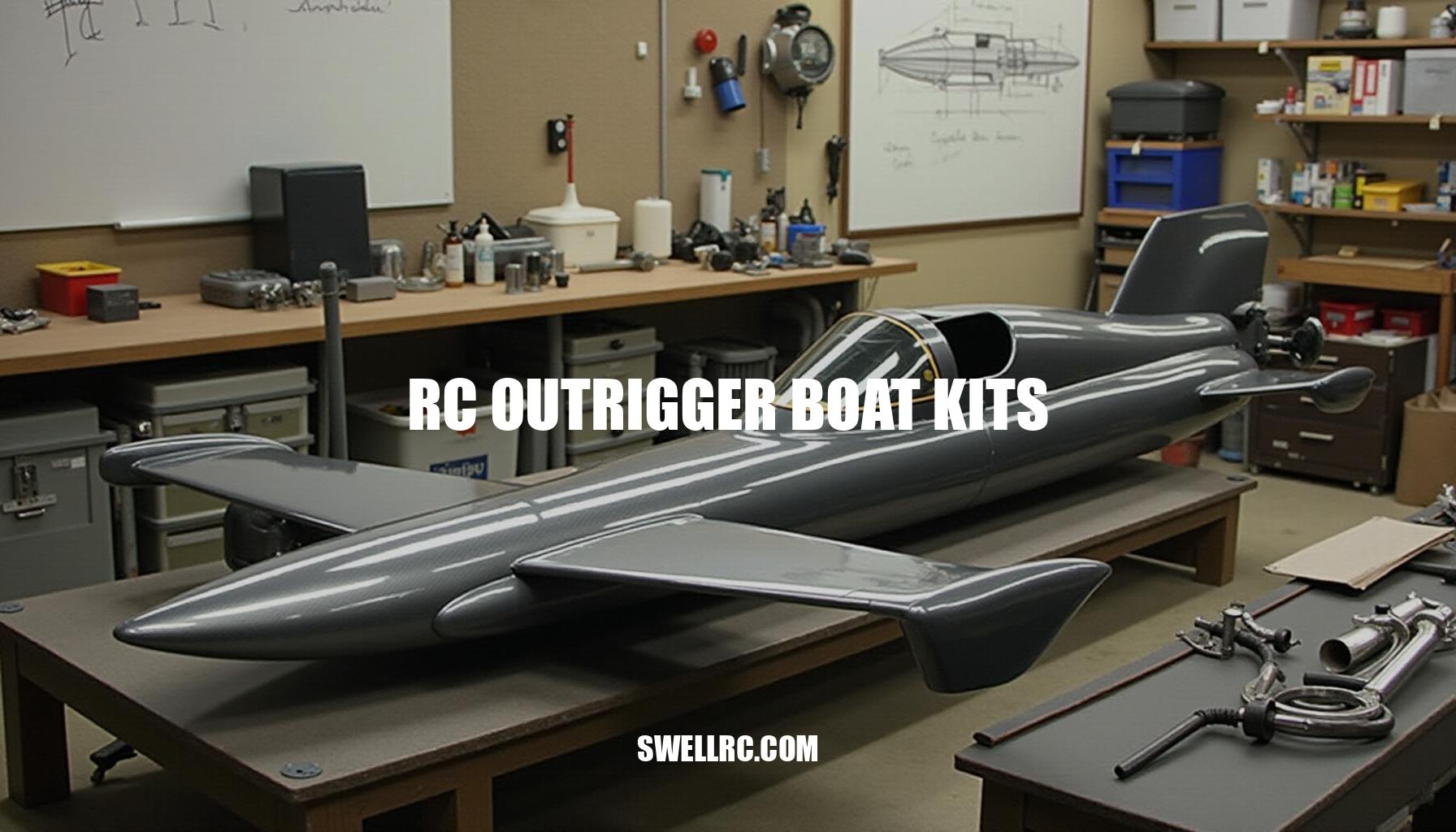
The first time I saw an RC outrigger blast down a glassy pond, it looked like it was skimming on air—three points touching the water, rooster tail fizzing, and a sound that made my pulse jump. That moment sent me down the rabbit hole of RC outrigger boat kits: researching late at night, comparing hull shapes, and eventually building my own. In simple terms, an RC outrigger is a three-point hydroplane: a narrow center tub (the fuselage of the boat) rides light while two forward sponsons and the prop become the contact points with the water.
Compared with typical powerboats that plow more hull in the water, or scale hydroplanes that favor broader hulls and canopies, outriggers are pure efficiency—designed for minimal drag and maximum speed. For enthusiasts of radio-controlled boats and hydroplane racing, outriggers offer an exhilarating glimpse into high-performance RC watercraft. Whether you’re new to the remote control hobby or a seasoned builder of model boat kits, understanding the nuances of outrigger design can transform your experience on the water.
In this guide, I’ll unpack how outrigger design works, what to buy, how to build and tune, and the performance secrets I learned the hard way. If you’re still browsing options across styles, I also keep a short list of go-to categories here: https://www.swellrc.com/rc-boat-kits/.
Understanding RC Outrigger Design and Mechanics
Outrigger design epitomizes speed and efficiency in RC boats. At its core, a center tub securely houses essential components such as the battery or fuel tank, motor (often a brushless motor boat setup for enhanced power), ESC or carburetor, and running gear. This streamlined arrangement is flanked by two forward sponsons, which generate crucial lift and stability.
A unique feature is the turn fin mounted on the right sponson, which digs into the water during corners to provide razor-sharp tracking.
The drive system, comprising the strut, flex shaft, and propeller configuration, delivers thrust from the rear, ensuring only the sponson ride pads and the propeller touch the water at high speeds. This minimal wetted surface drastically reduces drag, allowing lift to increase and top-end speed to soar. Compared to displacement hull designs and wind-powered RC sailboats, which rely heavily on keels or broad underwater profiles—as seen in sailboat kits—the outrigger’s approach is sleeker and more aggressive.
When contrasting with broader RC hydroplane styles like those highlighted in hydroplane kits, the outrigger’s widely spaced sponsons and center tub configuration deliver superior lift and tracking precision. Optimal RC hull setup requires attention to the sponsons’ alignment—ensuring they sit square and level to prevent torque roll. Additionally, the motor or engine should be precisely aligned to minimize thrust angle-induced steering issues.
| Setup Parameter | Effect | Considerations |
|---|---|---|
| Strut Angle | Increases lift | Too much angle can cause porpoising |
| Propeller Pitch | Higher pitch boosts top speed | Requires more torque; lengthens acceleration |
| Center of Gravity (CG) Position | Forward CG stabilizes boat | Excessively forward can reduce speed on flat water; balance is key to prevent blowovers |
Ultimately, precise tuning of the propeller configuration, sponson placement, motor alignment, and center tub weight distribution is essential for peak performance. By maximizing lift and minimizing drag, outriggers stand out as lightning-fast, highly maneuverable vessels in the realm of RC boats.
Types of RC Outrigger Boat Kits (Electric, Nitro, Gas)
Choosing your power system sets the tone for your build, budget, and maintenance schedule. Whether you’re keen on electric outrigger RC models, favor the classic charm of nitro outrigger kits, or aim for the robust performance of gas-powered RC boats, understanding each option helps optimize your RC watercraft experience. Electric outriggers, featuring a brushless motor boat setup combined with LiPo batteries, are known for being clean, quiet, and delivering brutally fast acceleration in short bursts—perfect for quick rc boat speed runs.
Nitro rigs provide the visceral enjoyment of sound and scent along with classic tuning finesse, while gasoline-powered boats scale up in size, torque, and runtime, catering to enthusiasts seeking longer sessions on the water.
| Power System | Pros | Cons | Best For |
|---|---|---|---|
| Electric Outrigger RC (Brushless Motor) | Clean, quiet, fast burst acceleration, low maintenance | Limited runtime, battery price and lifecycle | Short, intense rc boat speed runs, beginners |
| Nitro Outrigger Kits | Authentic engine sound, classic tuning excitement | Requires fuel handling, more complex maintenance | Hobbyists who enjoy mechanical tuning and authenticity |
| Gas-Powered RC Boats | Long runtime, higher torque, scalable size | Louder, heavier, more expensive components | Experienced hobbyists seeking power and endurance |
For enthusiasts interested in alternate challenges or styles, browsing categories like airboats or offshore hulls can provide eye-opening experiences. Across all builds, consider optional upgrades such as higher-voltage Electronic Speed Controllers (ESCs), enhanced cooling systems, balanced metal propellers, and hull reinforcements using carbon or glass materials. Integrating telemetry is another great way to monitor your performance during high-speed runs and push the limits of your RC watercraft.
Building and Customizing Your RC Outrigger Boat
When it comes to model boat kits, achieving a “straight” build is absolutely crucial because small misalignments can turn into major handling quirks, especially at speeds exceeding 60 mph. To ensure a precise rc hull setup, I follow a detailed process that emphasizes accuracy and proper alignment:
- Unbox and inventory: I test-fit the center tub, sponsons, and hardware, carefully labeling all fasteners to keep the assembly organized.
- Frame alignment: Dry-fit the sponson booms and square the sponsons to the tub using a flat surface and shims, ensuring everything is perfectly aligned.
- Hardware layout: Mark the motor or engine location, ESC mount, servo placement, and plan the water-cooling lines to optimize performance and maintain balance.
- Driveline: Set up a smooth flex shaft path and adjust strut height so the propeller’s centerline aligns near the keel line for better thrust and handling.
- Electronics: Waterproof the receiver thoroughly, apply dielectric grease on connectors, and secure LiPo batteries with dual straps and foam padding for safety and durability.
- Final balance: Aim for a forward-biased center of gravity that still allows the tub to “free up” at speed; fine-tune this by adjusting battery placement to perfect weight distribution.
- Water test: Begin with a conservative prop and carefully log motor temperatures and amp draw to prevent overheating and optimize efficiency.
The quality of your kit really matters. Materials, hardware precision, and the clarity of instructions can vary dramatically among rc boat manufacturers.
That’s why I always check trusted references like this resource before purchasing new brands.
One minor yet impactful lesson I learned involved mounting a turn fin on a brushless motor boat. I initially placed it 2 mm too far outboard, causing the boat to dart sharply on right turns. By shifting the fin inboard slightly and adding a subtle negative angle, the cornering dramatically improved, making the ride smoother and more controllable.
To sum up, meticulous attention to every step in the build—from the delicate assembly of a micro outrigger to the final waterproofing—translates directly to better handling and performance on the water.
Measure twice, use blue-threadlock once, and enjoy a precision-built craft that commands respect on the waves.
Performance Tuning and Racing Secrets
Tuning an outrigger RC boat for optimal performance in rc boat speed runs involves both precision and dedication. It’s essential to start with a conservative baseline and adjust one variable at a time to understand its impact on the boat’s dynamics. Key focus areas include hull lift—managed by adjusting the strut height and angle as well as prop diameter—alongside acceleration and top speed priorities driven by careful prop pitch tuning and diameter selection.
Stability factors, such as the center of gravity (CG) and sponson angle of attack, are equally crucial for maintaining control during high-speed maneuvers typical in hydroplane racing with a brushless motor boat. To gather valuable telemetry data, I use a GPS logger or a speed app, complemented by modern ESCs that export real-time temperature and performance metrics.
My testing methodology consists of short passes, popping the hatch to read motor and ESC temperatures, and recording water conditions meticulously. Observing proven racing setups from leading builders—such as those found in Seaducer RC Boats and Oxidean Marine RC Boats—provides invaluable design cues that inform my approach.
Here’s my step-by-step tuning loop for achieving a competitive racing setup:
- Baseline pass: Start with a small prop, neutral strut angle, and forward CG to establish reference data including speed, temperatures, and any noticeable hop or instability.
- Lift control: If the bow rides too high during runs, lower the strut or shift the CG forward; conversely, if it plows into the water, raise the strut slightly to optimize hull lift.
- Prop selection: Increase prop pitch incrementally to boost top speed; monitor temperatures and watch for cavitation, reverting if adverse effects occur.
- Corner authority: Apply a subtle negative angle to the turn fin to enhance bite, and ensure the starboard sponson rides flat during turns for greater stability and control.
- Trim for chop: Adjust with slightly more forward CG and switch to a smaller, grippier prop to maintain calm handling in rough or choppy water conditions.
- Record-keeping: Maintain detailed logs of every modification; reviewing these notes consistently leads to faster runs and informed tuning decisions rather than relying on guesswork.
By methodically applying these steps within your brushless motor boat hydroplane racing rig, you will fine-tune each variable to maximize speed and stability, paving the way for victorious rc boat speed runs and a formidable racing performance.
Best Brands and Where to Buy Quality Kits
After comparing multiple model boat kits side-by-side from various rc boat manufacturers, I look for straight tubs, true sponson ride pads, precise hardware, and clear documentation. Budget-minded builders sometimes start with bargain sources to get their feet wet—contexts like this can help frame the low-cost end of the spectrum: Harbor Freight RC Boats. For premium thrills and cutting-edge performance, browsing top-tier speed categories—like the best RC jet boat selections for inspiration—helps set expectations on material craftsmanship and finishing: Best RC Jet Boat.
Quick contrast of premium vs budget kits often reveals key differences such as:
- Lighter composite layups in premium outriggers versus heavier plastics in budget kits
- CNC-machined struts and mounts compared to stamped or molded hardware
- Laser-cut alignment jigs for precise assembly as opposed to basic instructions
- Budget kits that usually require extra sanding, sealing, and upgraded hardware to shine
Either path can win your pond day—what matters most with any RC boats is the care you put into setup, alignment, and prop selection. Choosing the right combination of quality components and thoughtful assembly ensures your model boat kits perform their best on the water.
Maintenance, Troubleshooting, and Upgrades
Proper maintenance is essential for preserving speed and saving money by enhancing the longevity and reliability of your boat. After each run, it’s crucial to flush water-cooling lines, inspect and grease the flex shaft, check propellers for nicks, and verify hatch seals to maintain waterproof integrity. Regular troubleshooting and upkeep on a weekly or monthly basis should include re-balancing props, checking servo linkages—especially important for waterproof servos—testing receiver failsafe, and inspecting sponson seams for wear or leaks.
When storing your boat, always remove LiPos at storage voltage, vent the hull to dry, apply after-run oil on nitro engines, and fog gasoline engines for long-term storage. These steps significantly improve durability and prevent damage.
| Issue | Possible Cause | Fast Fix |
|---|---|---|
| Porpoising | Center of gravity too far back or excessive strut angle | Move weight forward or lower the strut |
| Blowovers | Prop pitch too high, CG too far back | Reduce prop pitch, move CG forward, or add a small spoiler on the tub |
| Cavitation | Prop mounted too high or pitch too aggressive | Lower strut or try a smaller pitch |
| Pulling right or left | Misaligned rudder, incorrect fin angle, unequal sponson incidence | Align rudder, check fin angle, ensure equal sponson incidence |
| Water leaks | Hatch tape misaligned, hardware holes not sealed | Re-seat hatch tape and reseal hardware holes |
Upgrades that have significantly boosted performance and reliability include installing a higher-current ESC with improved cooling, selecting a precisely balanced and sharpened propeller, adding a stiffer turn fin, and incorporating a second water pickup to feed the ESC separately from the motor. These improvements not only enhance speed but also contribute greatly to the overall maintenance and efficiency of your boat’s drivetrain system.
Conclusion — The Rush That Keeps You Hooked
Outriggers hooked me because they reward patience with outrageous performance. Every build teaches something new—how a millimeter of strut angle changes lift, how a different prop wakes up the motor, how a careful balance turns twitch into laser-straight speed. If this guide sparked ideas, keep exploring broader categories and kit styles as your skills grow—this overview is a good hub for branching out: https://www.swellrc.com/rc-boat-kits/.
Whether you’re chasing your first clean speed run or trimming for your local race, RC outrigger boat kits deliver that perfect blend of craft and adrenaline that keeps you coming back to the water.
For enthusiasts in the remote control hobby, experimenting with RC watercraft opens up exhilarating opportunities, especially through diverse model boat kits. Engaging in hydroplane racing and pushing limits in rc boat speed runs are natural progressions that keep the excitement alive, while honing precision and speed.
Frequently Asked Questions
- What is an RC outrigger boat, and how is it different from other RC boats?
An RC outrigger is a three-point hydroplane with a narrow center tub and two forward sponsons. At speed, only the sponsons and the prop contact the water, minimizing drag. Compared with typical monohull powerboats or sailboats, outriggers ride much lighter on the water for higher straight-line speed and razor-sharp tracking. - How do I assemble and tune an RC outrigger boat kit?
Dry-fit and square the tub and sponsons, align the driveline, waterproof electronics, and set a forward-biased CG. Start with a small, conservative prop, neutral strut, and log temps and speed. Adjust one variable at a time—strut angle for lift, CG for stability, and prop pitch for top speed. - Are electric outrigger boats faster than nitro-powered ones?
In most kit sizes, modern brushless electric outriggers are quicker in short bursts thanks to high power density from LiPos, often outperforming nitro in acceleration and peak speed. Nitro offers classic sound and longer refuel-and-go sessions, but may require more tuning for similar top speeds. - What materials are best for outrigger hull construction?
Fiberglass and carbon fiber composites provide the best stiffness-to-weight for speed and durability. Wood kits (ply/balsa) are lighter on budget and easier to modify but may require sealing and reinforcement in high-power setups. - Where can I buy the best RC outrigger kits online?
Check reputable category hubs and brand directories for vetted options, compare kit contents and hardware quality, and read community build logs. Look for straight tubs, precise hardware, and clear instructions, and favor sellers with responsive parts support. - How do outriggers improve stability and performance?
The widely spaced sponsons create a broad front footprint that resists roll, while the minimal wetted surface reduces drag. The turn fin on the right sponson provides bite in corners, and the aft prop placement helps trim the hull for lift and speed. - What’s the average cost of a quality RC outrigger boat kit?
Expect roughly 250–800 USD for a mid- to high-quality kit without electronics. Complete builds with premium hardware, motor/ESC or engine, and batteries can range from 600 to 1,500+ USD depending on size and components. - How can I maintain and repair my RC outrigger boat for longevity?
After each run, flush cooling, grease the flex shaft, and check seals. Regularly re-balance props, inspect linkages and sponsons, and store LiPos at proper voltage. Repair chips with epoxy, reseal hardware holes, and replace worn bearings and flex shafts before they fail.