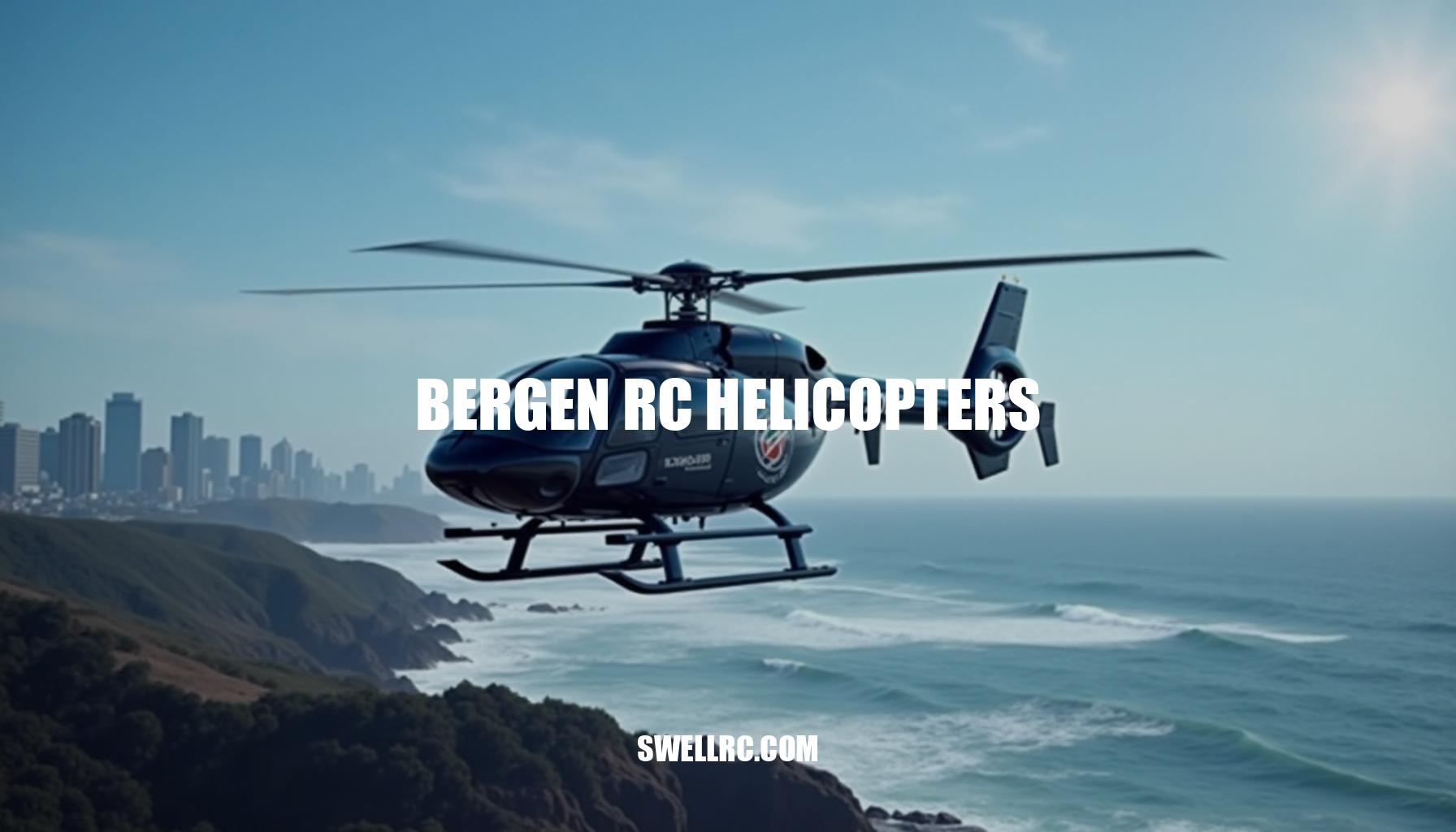
Bergen RC Helicopters: A Legacy of Precision and Performance

I still remember the first time a Bergen gasser spooled up beside me on a windswept flight line—the thrum of a Zenoah engine, the rotor disc locking into a rock‑steady hover as if on rails. That moment sparked my fascination with Bergen RC helicopters, renowned in the world of model helicopters for their precision engineering and workshop‑grade craftsmanship. From that initial encounter, I went from curious onlooker to committed admirer, eager to learn how these hobby-grade helicopters achieve such remarkable flight stability and responsiveness amid the challenges of remote control flight.
Bergen’s reputation in RC helicopters is well-earned, blending meticulous mechanical design with an unmistakable confidence in the air. In this guide, I’ll unpack the legacy behind Bergen RC helicopters, exploring what sets their mechanical design apart and how these machines feel to fly compared to electric setups. We’ll dive into standout models like the Intrepid, Tazer, and Twin Observer, detailing their unique features and flight characteristics.
Along the way, I’ll share practical builder tips and maintenance advice that separate a good setup from a truly great one, helping enthusiasts maximize their enjoyment of these precision-engineered marvels in their RC helicopter hobby pursuits.
The Bergen Legacy: How It All Began
Bergen RC Helicopters was founded by passionate builders who believed in putting mechanical quality and durability first—confident that performance would naturally follow. Throughout the 1990s and 2000s, this philosophy earned Bergen a dedicated cult following among hobbyists seeking reliable, hobby-grade helicopter platforms.
Key milestones in RC aviation history include:
- The Bergen Intrepid series, offered in nitro and gasser variants, known for their robust airframes and steadfast construction.
- The Bergen Tazer, an electric model that combined modern efficiency with traditional durability.
- The Bergen Twin Observer, a specialized aerial photography platform designed with redundancy and stable payload handling to meet the rigorous demands of aerial cinematography.
Unlike mainstream manufacturers who prioritize rapid product iteration and consumer-ready convenience, Bergen RC Helicopters embraced long-life components, thick metal parts, and an emphasis on clear mechanical access. This approach resonated strongly with pilots who valued field serviceability and honest mechanics over fleeting trends.
For enthusiasts wishing to explore detailed build logs, community memories, and long-term ownership stories, a wealth of archived insights is available on RunRyder RC Heli. Visit RunRyder RC Heli to dive deeper into the legacy of Bergen helicopters and the culture surrounding these enduring models.
Engineering Excellence: What Sets Bergen Apart
Bergen’s design language exemplifies engineering excellence, focusing on rugged frames, precise rotor head design, and drivetrains engineered for superior torque control. Key characteristics observed firsthand include thick CNC aluminum bearing blocks, straightforward clutch and fan assemblies on gassers, and carefully optimized head geometry that ensures inputs translate into clean, linear responses with minimal lag. Most pilots pair these helicopters with modern flybarless systems like VBar, BeastX, and BavarianDemon, teamed with reliable radio control equipment protocols such as FASST, DSMX, and ACCESS/ACCST, alongside high-torque cyclic servos to enhance handling and stability.
Tail systems are robustly designed to maintain authority amidst gasser torque spikes, assuring consistent control.
These gasser RC helicopters remain highly tuneable, adaptable from docile autopilot stability modes to sharp, aggressive sport-flight agility depending on pilot preference. When comparing gasser and electric RC helicopters, gassers (typically Zenoah-based) offer long flight times, a planted and steady feel, plus easy refueling. Conversely, electrics operating on 6S–12S deliver instant torque, reduced vibration, and simpler throttle management, providing a crisp flying experience.
If you’re cross-shopping large platforms, it’s important to recognize how a single-rotor Bergen varies from multi-rotor or tandem scale builds, such as the large-scale Chinook (https://www.swellrc.com/large-scale-chinook-rc-helicopter/)—each designed for different missions and demonstrating unique rotor dynamics, yet equally captivating in engineering.
| Model | Power (typical) | Class | Main rotor dia. | Notes |
|---|---|---|---|---|
| Intrepid Gasser | Zenoah G23/G26 gasoline | 700–800 | ~1.55–1.75 m | Long flights, ultra-rugged |
| Tazer Electric | 6S–12S brushless | 600–700 | ~1.35–1.60 m | Crisp response, lower vibes |
| Twin Gasser/Observer | Dual gas (redundant) | 800+ | ~1.70–1.90 m | AP payload, stability-first |
Flying Experience: Performance and Real-World Impressions
After countless flights, I keep coming back to the way a Bergen holds a line. Its flight performance in forward flight offers a locomotive steadiness that makes big air maneuvers feel carved rather than tossed. When it comes to wind handling, a properly tuned gasser Intrepid stands out—tracking like a tripod in the sky.
The tail remains authoritative through collective punches, and autorotation maneuvers are unhurried with generous energy in the disc, showcasing excellent energy retention.
Electrics like the Tazer provide a different thrill altogether, with razor-sharp throttle response and snap transitions ideal for pilots who favor crisp stops and high-tempo patterns. This level of responsiveness highlights the variety within mid-size RC helicopters, catering to diverse flying styles.
Tuning flexibility is straightforward across these platforms: adjusting head dampers to taste, fine-tuning governor setup for the powerplant, and setting cyclic rates to match your individual style. Such customization makes these helicopters adaptable to both beginners and seasoned pilots.
For newcomers comparing mid-size RC helicopter comparison and step-up paths, it’s invaluable to contrast the feel of true hobby-grade platforms with approachable trainers like the Hero RC H911 or curated picks in the best mid-size RC helicopter roundup. The leap in stability and authority is not only eye-opening but truly addictive.
Bergen Model Lineup: Breaking Down Their Best Machines
Exploring the Bergen model lineup reveals distinct choices tailored to varied pilot preferences and skill levels. The Bergen Intrepid (Gasser/Nitro) stands out as the iconic Bergen workhorse, celebrated for its rugged frames, confidence-inspiring autos, and impressive endurance with long flights on gas. It’s ideally suited for intermediate to expert pilots who prioritize field serviceability and long-haul performance.
On the other hand, the Bergen Tazer (Electric) offers a lighter, crisper, and cleaner alternative. Perfect for pilots seeking modern electric punch infused with Bergen’s mechanical DNA, it excels in sport and advanced aerobatics thanks to its lower vibration levels. Meanwhile, the Twin Observer (Dual Gasser AP Ship) is engineered for reliability and payload stability, featuring redundancy that’s invaluable for camera work and surveying missions.
| Model | Engine Type | Rotor Diameter | Weight Class | Target Skill Level |
|---|---|---|---|---|
| Bergen Intrepid | Zenoah G23/G26 (gasser), .60–.90 nitro | ~1.35–1.90 m | 4–9+ kg | Intermediate to Professional |
| Bergen Tazer | 6S–12S Brushless Electric | ~1.35–1.90 m | 4–9+ kg | Intermediate to Professional |
| Twin Observer | Dual Gasser Systems | ~1.35–1.90 m | 4–9+ kg | Intermediate to Professional |
For those newer to RC helicopters, models like the RC Helicopter C186 and the compact Esky 150 V3 provide excellent stepping stones into the hobby. While they operate within a distinctly different performance universe compared to the Bergen lineup, they’re perfect for beginners developing core flying skills. Aesthetics-focused pilots with a passion for scale detailing will find great inspiration in browsing RotorScale helicopters, offering rich options before committing to a full Bergen-based scale conversion.
This balance between electric vs gasser powertrains, rotor diameter, and weight considerations helps pilots choose their ideal entry or upgrade within the realm of scale helicopters.
The Collector & Builder’s Insight
Building a Bergen kit involves a meticulous blend of RC helicopter assembly skills and thoughtful customization. The mechanical design emphasizes precise engine mounting, especially on gassers, where concentricity between the clutch shoe, bell, and fan hub is crucial to minimize vibrations. This precision contributes significantly to rotor alignment and overall flight stability.
The open frame design ensures easy access to every subsystem, simplifying adjustments for a flawless setup.
When working on the head assembly, attention to blade grip shimming and selecting the proper damper tunes the helicopter’s response—offering a floaty, smooth feel ideal for aerial maneuvers or a firmer setup suited for sport aerobatics. For enthusiasts pursuing scale conversion, models like the RC Bell 47 and the RC Airwolf Black Bell 222 Electric Scale 1:3.5 serve as benchmarks where mechanical reliability is the foundation of believable scale flight. These hobby-grade helicopter projects demonstrate how attention to detail elevates the overall flying experience.
Proven builder tips that pay off include:
- Dry-fit every drivetrain component and check clutch runout using a dial indicator to ensure smooth power transmission.
- Use threadlocker sparingly—blue threadlocker for serviceable fasteners and high-temperature formulas where specified for heat-affected areas.
- Balance fans, clutches, and blades carefully, then track blades at mid-stick to achieve a neutral and stable setup.
- Ensure the fuel system is airtight with quality Tygon line, filtered clunks, and secure grommets to prevent foaming that can disrupt engine performance.
- Conduct a vibration audit by soft-mounting the flybarless setup (FBL units) on gassers and logging vibration levels to guide iterative tweaks.
- Keep wiring runs short, properly supported, and routed away from heat sources and rotating parts to maintain electrical reliability and safety.
Finding and Maintaining Bergen RC Helicopters Today
New-in-box Bergen kits are rare today, but good examples circulate through classifieds, clubs, and specialist forums, highlighting the Bergen RC helicopter parts availability in the used market. Enthusiasts commonly find models such as Intrepid gassers, Tazers, and camera-ship frames in pre-owned condition, often accompanied by valuable spare parts. For those wondering where to buy Bergen RC helicopters and components, sourcing is a blend of community exchanges, small-lot vendors, and the advantage of cross-compatibility with standard bearings, clutches, servos, and electronics.
To stay updated and well-informed, it is essential to curate your bookmarks with trusted RC helicopter websites, which serve as excellent support resources for tracking guides, classifieds, and parts references.
Maintenance essentials include:
- Fuel and drivetrain: Keep clutches clean, bell bearings fresh, and gear mesh correct to ensure reliable power transmission.
- Lubrication: Regularly lubricate tail shaft, main shaft bearings, and linkages to reduce wear and maintain smooth operation.
- Fasteners: Re-torque bolts after the first few flights and inspect dampers and thrust bearings for optimal safety.
- Electronics: Verify Flybarless (FBL) logs, governor sensors, and Battery Eliminator Circuit (BEC) headroom; also manage heat effectively in gasser ignition systems.
Quick checklist for peak performance:
- Preflight: Ensure blade bolts are tight, links move freely, gyro orientation is correct, and failsafe settings are configured.
- Postflight: Check temperatures of motor and bearings, inspect for any fuel residue, and reassess gear mesh alignment.
- Every 10–20 flights: Inspect belts and gears, clutch liner wear, and tail hub condition; additionally, re-balance blades if necessary.
Conclusion — Why Bergen Deserves Its Legendary Status
After years of building and flying, I still get a spark of anticipation every time a Bergen RC helicopter heads to the flight line. The recipe—honest mechanics, reliable power, and a rotor system that translates intent into clean motion—has aged beautifully. This dedication to craftsmanship sets Bergen apart in the crowded world of RC helicopters.
Even as the market shifts, Bergen’s influence endures in how we judge:
- Durability
- Serviceability
- True flight feel
This is why Bergen continues to define RC helicopter standards and represents the essence of a premium RC experience. If you’re chasing the true meaning of flight pleasure — the craft, the community, and the thrill — Bergen remains a benchmark.
Moreover, the community legacy built around Bergen RC helicopters reflects a passionate group of flyers who value authenticity and precision. It’s not just about flying; it’s about being part of a tradition that consistently raises the bar for what premium can feel like in the air.
Frequently Asked Questions
- What makes Bergen RC helicopters unique compared to other brands?
Their hallmark is robust, serviceable mechanics—thick metal components, straightforward drivetrains, and head geometry that converts inputs into stable, linear flight. They prioritize longevity and field repairability without sacrificing performance. - Are Bergen helicopters good for beginners or only professionals?
They’re best for intermediate to expert pilots. Beginners should start with smaller, more forgiving models, then step up once orientation, setup, and safety habits are solid. - Can you still buy new Bergen RC helicopters today?
Brand-new kits are scarce; most purchases are pre-owned through classifieds, clubs, and community forums. Good airframes and spares still circulate if you’re patient and persistent. - What engines are used in Bergen models?
Gasser variants commonly use Zenoah G23/G26 engines. Bergen also supported nitro (.60–.90) and electric power systems ranging from 6S to 12S with modern brushless motors. - How does a Bergen gasser compare to electric helicopters?
Gassers offer long flight times, a planted feel, and easy refueling, with more vibration and slightly higher maintenance. Electrics deliver instant torque, lower vibration, and cleaner operation but shorter flights unless you carry more battery mass. - What are the most popular Bergen RC helicopter models?
The Intrepid (especially gasser variants), the Tazer electric, and the Twin Observer camera ship are standouts, each targeting different mission profiles from sport to aerial work. - How much does it cost to maintain a Bergen RC helicopter?
Routine costs include fuel (for gassers), bearings, dampers, clutch liners, and occasional gears or belts. Budget modest recurring expenses, with periodic overhauls depending on flight hours and flying style. - Where can I find Bergen RC helicopter building tips?
Search long-running build threads and guides on established RC communities and resource hubs. Look for detailed logs covering clutch alignment, FBL tuning, and vibration management from experienced Bergen pilots.