The Ultimate Guide to 1/76 RC Drift Cars

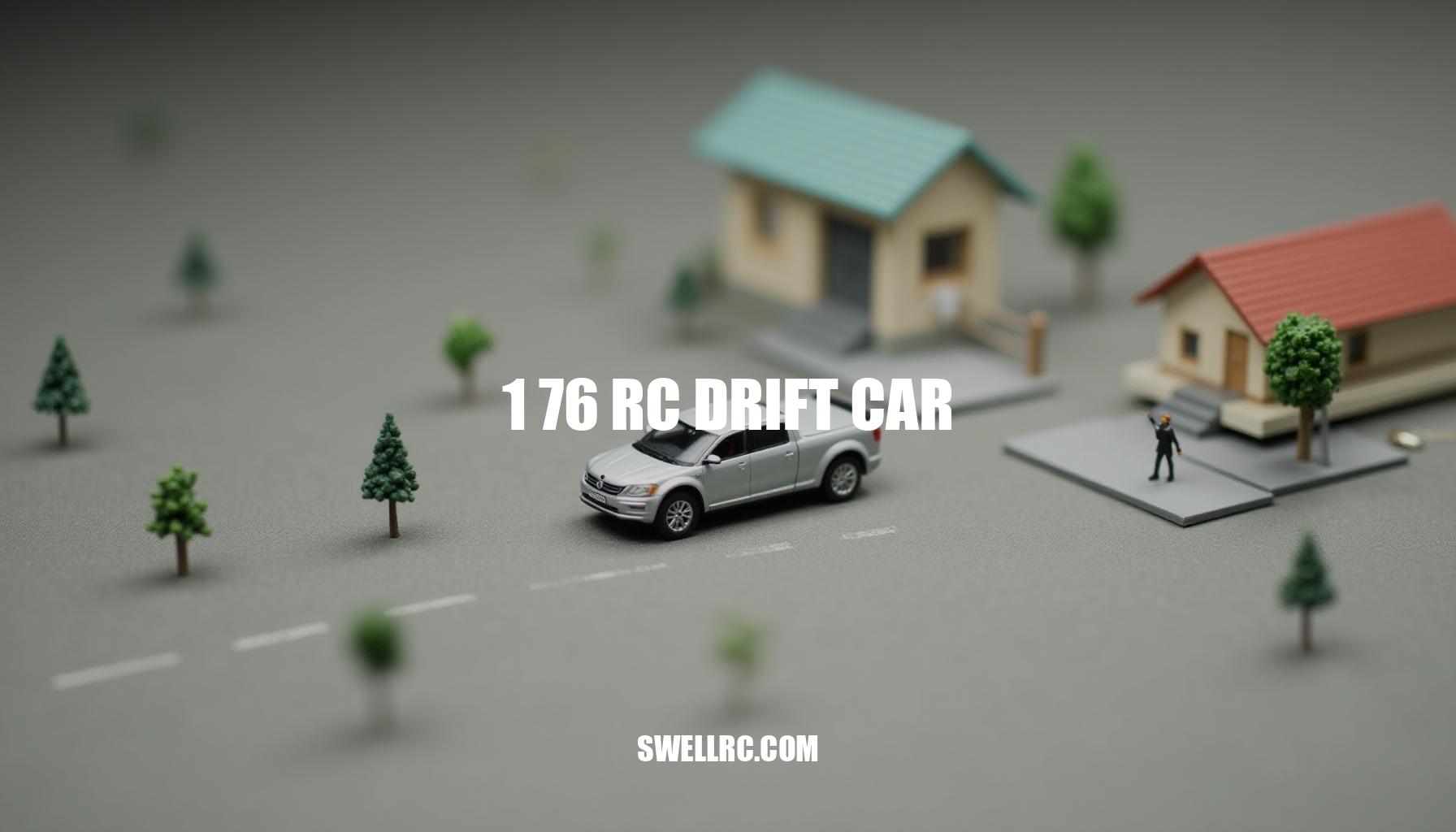
I didn’t expect a car this small to drift like a pro—until I laid down a tape-lined course across my desk and watched a 1 76 RC drift car link corners with smooth, controllable slides. A 1:76 scale means the model is 76 times smaller than the real car, yet it carries the same drifting DNA: throttle modulation, counter-steer, and angle control. Thanks to micro brushless motors, compact gyros, and precision drift tuning on a compact drift chassis, these mini RC cars blur the line between collectible display models and serious drift performers.
The best part? You can carve apexes on a coffee table, then display the shell on a shelf like a die-cast. If you’re new to the scene, start with the fundamentals in the broader remote control drift car guide, or see how tiny things can get in the small RC drift car overview.
After hours fine-tuning throttle curves and gyro gain on a living-room track, I’m convinced this micro RC drift car scale is the most accessible way to chase drift precision every day with an electric RC drift car from the lineup of RC scale models.
Anatomy of a 1:76 RC Drift Car — How It All Fits Together
At this size, every gram and every millimeter count when mastering the art of tabletop drifting with a micro RC drift car. A 1:76 compact drift chassis typically combines a lightweight frame, a micro steering assembly, drift-specific tires, and a tiny power system managed by a highly responsive ESC and gyro. The choice between brushed vs brushless motor setups plays a crucial role in performance and control.
While brushed motors offer smooth, budget-friendly operation, brushless motor RC cars deliver superior efficiency, cooler running temperatures, and finer control—key traits for precision handling.
| Feature | Benefit |
|---|---|
| Micro Steering Assembly | Precise control for tight turning radii and smooth transitions |
| Gyro Stabilization | Improves yaw stability at low speeds for controlled slides |
| ESC Tuning | Allows fine adjustment of throttle response and braking for better drift control |
| Body Balance | Optimized fore/aft and left/right weight distribution affects predictability of rear traction loss |
For comparison, larger platforms like the Yokomo YD2 RTR and HPI RC drift cars provide increased suspension travel, longer wheelbase stability, and wider tuning windows. However, the compactness of the 1:76 drift chassis ensures portability and the ability to fit an entire track on a desktop—turning everyday surfaces into exhilarating drift playgrounds.
In practice, with precision handling enabled by careful ESC tuning and gyro stabilization, you can easily set a coin as a clipping point on a smooth desk mat, glide past with a controlled flick, and fluidly transition to the next corner with just a whisper of throttle—demonstrating how every detail matters in the realm of micro RC drifting.
Performance Tuning and Upgrades for Maximum Drift Control
Dialing in a 1:76 scale RC drift car is both a science and an art, requiring a systematic approach to achieve precision drift tuning and flawless angle control. Here’s a proven sequence I use for consistent angle and smooth transitions:
- Throttle/expo: Add throttle expo so the initial trigger travel is gentle, which unlocks low-speed precision essential for fine control.
- Gyro gain: Increase the micro gyro gain until the rear feels planted during transitions, then back off slightly to prevent robotic or twitchy steering.
- Tires/surface: Pair hard plastic drift tires or sleeves with a consistent surface such as smooth tile, a desk mat, or taped lanes to ensure repeatable grip characteristics.
- Weight distribution: Shift the battery or add a touch of putty ballast to bring the car’s center of gravity low and neutral; even a few grams make a significant difference at this scale.
- Alignment: If adjustable, try slight front toe-out for crisp turn-in and minimal rear camber to keep slides predictable and balanced.
- ESC setup: Fine-tune ESC tuning by enabling smooth startup mode, setting mild punch for throttle response, and applying a strong drag brake, allowing tidy angle corrections mid-slide.
- Battery strategy: Use quality 1S packs and keep them balanced, because consistent voltage leads to consistent slides and reliable performance.
Regular maintenance is also crucial: keep hair and dust out of axles, wipe tires between runs, and check the pinion mesh after any tumble to maintain optimal function. For budget-friendly experimentation, consider exploring ideas with cheap RC drift cars (https://www.swellrc.com/cheap-rc-drift-cars/).
If you’re contemplating power or component upgrades, comparing control feel and efficiency traits across upgrade paths in the best electric RC drift car guide (https://www.swellrc.com/best-electric-rc-drift-car/) can provide valuable insights.
Personally, once I swapped to a slightly heavier shell and retuned the gyro gain, my car stopped snapping mid-transition and started painting perfect arcs around table-leg “barriers,” showcasing how precise tuning of weight distribution and angle control pays off in smooth, consistent drifting.
Choosing the Right 1:76 RC Drift Car — Buyer’s Guide
When choosing a micro RC drift car, it’s essential to match your car to your driving space, style, and tinkering appetite. This buyer’s guide highlights key factors such as motor type and torque delivery, battery life (usable runtime under drift loads), chassis material, steering precision, gyro quality, wheelbase, and upgrade flexibility. Reliability and parts availability are even more critical at micro scale, where tiny components do big jobs.
Whether you’re into indoor drifting or collecting, consider what matters most to you:
| Factor | What to Look For | Why It Matters |
|---|---|---|
| Motor Type & Torque | High torque motor with smooth power delivery | Ensures responsive drifting and better control during slides ( torque vs runtime balance is key) |
| Battery Life | Long-lasting battery optimized for drift loads | Supports extended sessions without power drop-off |
| Chassis Material | Durable yet lightweight materials like carbon fiber or high-grade plastic | Improves agility and reliability during impacts |
| Steering & Gyro Quality | Precise steering system with a well-tuned gyro | Vital for smooth, predictable slides especially for beginner-friendly RC users |
| Wheelbase | Balanced length suitable for your drift space | Affects stability and turning radius for indoor drifting |
| Upgrade Flexibility | Modular electronics, ESC programmability, and adjustable alignment | Allows tinkerers to fine-tune and enhance performance over time |
| Reliability & Parts Availability | Wide availability of spares and well-supported platforms | Ensures your car stays running with minimal downtime at micro scale |
If you love themed builds, consider models with bold styling cues such as a Hoonigan RC drift car vibe, whereas collectors might prioritize detailed bodies and lighting for display. Beginners should start with predictable throttle mapping, a gyro that’s tuned well from the start, and easy access to replacement parts. Tinkerers will appreciate cars offering adjustable suspension, ESC programmability, and modular electronics that facilitate regular upgrades.
The perfect micro-drifter feels planted at low speeds, rotates smoothly on command, and keeps you chasing that one cleaner lap every session—whether you’re a casual drifter or a dedicated enthusiast.
Beyond 1:76 — Expanding Your RC Passion
Once you’ve mastered indoor micro-drifting, consider expanding into other RC scale models and scales. Larger drift platforms reward flowing momentum and offer bigger tuning windows, while high-speed RC road cars test your nerve on long straights. If racing heritage calls you, explore the intensity of RC F1 Nitro for a completely different power and handling experience, diving into the nuances of nitro vs electric powertrains.
To advance your skill progression, build a compact at-home drift course that mimics real track conditions.
Engaging with local and online RC communities can provide invaluable tips and motivation. Additionally, keep enhancing your vehicles through modding—from new shells and lighting kits to suspension tweaks—each change fine-tunes your experience.
The track building process is an art itself, combining creativity with technical knowledge to simulate challenging environments right at home. Embrace the vast RC world; micro drifters provide the perfect daily-driver training ground, preparing you for more advanced and exhilarating RC adventures.
Conclusion — Why the 1:76 RC Drift Car Is Small but Mighty
The 1:76 scale micro RC drift car distills drifting to its purest elements: throttle finesse, balance, and timing. This micro RC drift car offers an exceptional blend of performance and accessibility, making it ideal for both beginners and seasoned enthusiasts. Its compact size allows for thrilling runs in spaces where full-size RCs simply can’t compete.
After countless battery packs dedicated to refining throttle curves and gyro gain, I still experience that spark of joy when a perfect transition snaps into place across the desk.
This blend of precision drifting and daily practice is what makes mastering a 1:76 scale RC drift car so rewarding.
Whether you’re just starting or looking to enhance your skills, the best RC drift cars offer a broader inspiration and variety that fuel any RC passion. Tiny scale drifting is truly where engineering precision meets dedication, and where RC passion grows fastest.
- 1:76 scale size for ultimate accessibility
- Endlessly tunable for personalized performance
- Perfect for indoor and small space drifting
- Balances throttle control, timing, and balance
- Encourages daily practice to sharpen your skills
Frequently Asked Questions
- What does 1:76 mean in RC drift cars?
It’s the scale ratio: the model is 1/76th the size of the real car. Despite the tiny footprint, modern electronics and gyros let these micro cars replicate true drifting dynamics—angle, counter-steer, and throttle control—on a tabletop. - Are 1:76 RC drift cars good for indoor drifting?
Yes. Their small size, low mass, and gyro assistance make them ideal for apartments and desks. Use a smooth, consistent surface (tile, desk mat, or taped lanes) and hard drift tires or sleeves for predictable slides. - How do 1:76 RC drift cars compare to 1:24 or 1:10 scales?
1:76 offers unmatched portability and tiny-track fun but less suspension travel and outright stability than larger scales. 1:24 balances small-space play with more tuning options, while 1:10 delivers maximum realism, speed, and adjustability—yet needs more room and budget. - What’s the best motor setup for a 1:76 RC drift car?
A smooth, lightweight setup is key. Many drivers prefer a micro brushless motor on 1S with a programmable ESC for fine low-speed control. High-quality coreless brushed systems can also work well. Prioritize smooth startup, consistent torque, and ESC tuning flexibility. - Can I modify or customize a 1:76 RC drift car?
Absolutely. Popular mods include drift tires, ESC programming, gyro tuning, weight redistribution, lighting kits, and body swaps. Even small changes—like a gram of ballast or revised throttle expo—make a noticeable difference at this scale. - Which brands make the best 1:76 RC drift cars?
The 1:76 niche is led by micro-focused manufacturers and custom builders. Look for platforms with available spares, active communities, and tuning support. Mainstream drift brands focus more on 1:10–1:24, so for 1:76, prioritize proven micro specialists and mod-friendly kits. - Are 1:76 scale drift cars durable?
They handle bumps well due to low mass, but tiny parts can wear if neglected. Keep drivetrains clean, check gear mesh, and use quality batteries. With basic maintenance and spares on hand, a 1:76 drifter is surprisingly robust for daily indoor sessions.