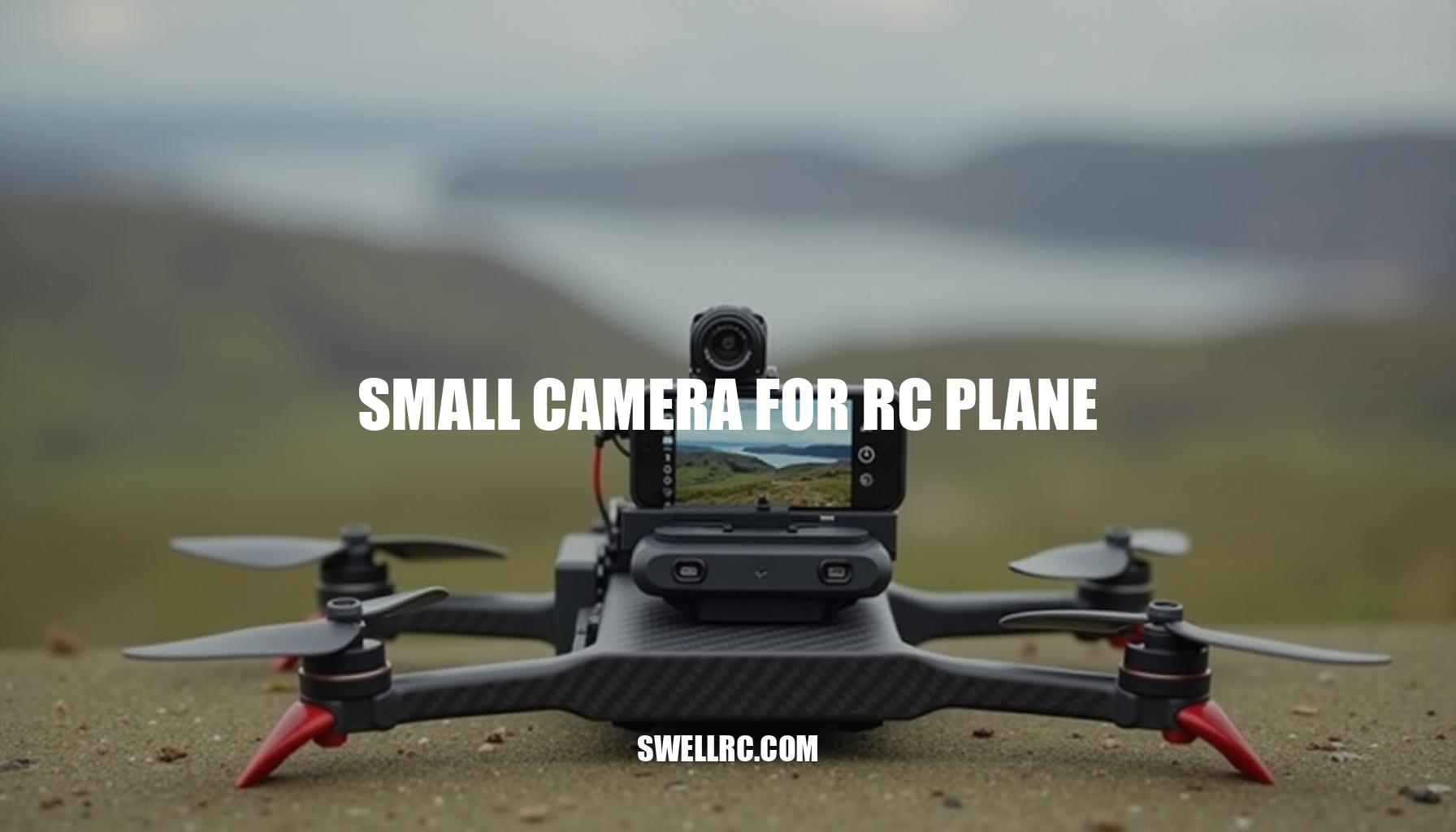
Best Small Camera for RC Plane: A Guide to Lightweight FPV Recording

The first time I strapped a gum‑sized mini camera for RC plane to a foam wing, I expected shaky blur and a short flight. Instead, the footage looked like a falcon’s‑eye glide over my local field—clean horizon, golden light, and that delicious swoop when you bank just right. That initial experiment launched me deep into the world of RC camera setup, where every gram matters and every mount tweak can transform your aerial photography from average to breathtaking.
Over countless late nights, I swapped lenses, trimmed weight, and tested a range of platforms—from tiny park flyers to rugged wings—always searching for the perfect balance between function and flight. We’ll explore the nuances between FPV cameras and drone camera alternatives, highlighting how ultra-light recording cameras contribute to stable, high-quality footage. Choosing the right camera mount for RC models proves just as critical as the RC plane video system itself, with smart mounting tricks that keep balance happy and minimize vibrations.
If you love the challenge of compact craftsmanship and pushing small gear to its limits, see just how far these innovations can go—check out the ingenuity behind the world’s smallest RC planes here. Whether you’re aiming to upgrade your FPV camera setup or discover new ultra-light recording camera solutions, this journey will equip you to capture stunning flight footage that soars above the rest.
Understanding the role of camera weight and balance in flight
I quickly learned that grams matter more in the air than they do on the bench when it comes to optimizing RC plane balance and flight stability. Adding a 25–30 g camera to a small wing significantly impacts weight distribution, leading to a longer takeoff roll, earlier stall, and a forward-shifting center of gravity. By swapping to a lightweight FPV camera, weighing just 10–15 g, the plane responds much better, with quicker pitch response, smoother flare, and a more efficient cruise current.
My field notes after back-to-back tests showed that a 27 g HD cam required ~6–10% more throttle for level flight on a 600 mm foam wing, whereas switching to an ultra-light FPV camera and VTX under 6 g reduced throttle requirements and extended glide performance.
For those aiming for an under 250g setup, keeping the total weight below 250 g not only improves RC plane aerodynamics but also opens up more locations for flying legally and safely. When building or tuning your plane, consider these practical balance tips I regularly use to maintain optimal center of gravity and flight stability:
- Mount components as close to the stock CG as possible, then fine-tune by sliding the flight battery.
- If the plane is nose-heavy, add a gram or two at the tail instead of shifting the battery too far back to avoid destabilizing the glide.
- Start with 5–10 degrees of down-tilt on the camera so climbs don’t dominate your footage and keep balance stable.
- Re-trim the elevator after every camera change; even tiny differences in pitch can hide underlying RC plane balance issues.
- If you observe porpoising during flight, your center of gravity is likely too far aft or the elevator is too sensitive.
By choosing a lightweight camera that won’t affect flight and leveraging these weight distribution techniques, you ensure smoother handling and safer, more enjoyable flights. For additional inspiration on slim and efficient designs that respect the 250 g limit, I often refer enthusiasts to this resource on sub-250g RC planes.
Camera types and features that make the difference
After mounting cameras on three different wings and a couple of belly‑landers, one truth stood out: match your camera to your goal. If you crave live piloting, prioritize low latency FPV cams. If your goal is shareable footage, lean toward stabilized mini HD recorders.
And if you want both, consider a split approach: FPV nano cam for flying plus a tiny recorder for the edit. For long cruising routes, range matters as much as optics — pairing an efficient platform with the right RC plane video system is key; see practical airframe ideas at SwellRC Best Long Range FPV Plane. Also, don’t overlook image stabilization aids: a lightweight RC plane gyro can smooth bumps without robbing the fun of manual flying — worth a read here: SwellRC RC Plane Gyro.
| Camera Type | Weight | FOV (Field of View) | Resolution | Latency | Durability | Use |
|---|---|---|---|---|---|---|
| FPV analog nano cams | 2–4 g | 120–160° | 1000–1200 TVL | 4–10 ms | High | Pure FPV with minimal weight |
| FPV digital micro systems | 14–35+ g (camera + VTX) | 150–155° | HD | 20–40+ ms | Moderate | Premium FPV image, midweight airframes |
| Mini HD recorders (e.g., Thumb/GO series) | 10–40 g | Varies | 2.7K–4K | N/A (record-only) | Varies | Cinematic edits with gyro or FlowState stabilization |
| Split boards (FPV + HD record) | 14–25 g | Up to 150° | Up to 4K | Low latency FPV + recording | Moderate | One device does both, wire‑savvy builders |
| Action cams (stripped/light) | 27–55 g | Wide, varies | 4K | N/A (record-only) | Varies | Bigger wings, highest quality first |
In choosing between FPV vs HD camera setups, considering both latency and field of view is crucial. From personal tests, the biggest upgrades came from two features: gyro data for post‑stabilization and a lens with just enough FOV (140–150°) to feel fast without warping the horizon. For pilots considering a mini HD camera for RC plane or integrating a long-range FPV setup, balancing weight, latency, and stabilization will maximize your airborne footage quality and flying experience.
Accessories and mounting techniques for a perfect setup
Mounting is half the magic when it comes to achieving secure and smooth footage from your RC plane accessories. I’ve glued, strapped, and 3D-printed my way through a dozen layouts, ensuring the keepers were always secure, soft-mounted, and close to the plane’s CG for optimal balance. While internal nose bays offer a sleek look, they can trap vibrations, making anti-vibration solutions crucial.
On the other hand, external canopy or saddle mounts are easier to install and cool better but may add some drag. To enhance my DIY camera mount techniques, I even cross-referenced ideas from ground vehicles: how to attach a camera to a RC car.
- 3M Dual Lock or quality foam tape for quick swaps without adding height.
- TPU cradles with thin Sorbothane pads to kill jello without wobble.
- Rubber bands over a low-profile wedge for featherweight builds.
- Tiny safety lanyard (thread or dental floss) if you belly-land on rough grass.
Here’s an accessory cheat-sheet from my scale and flight log that highlights weight and benefits to help you optimize your camera mount for RC models:
| Accessory | Weight (g) | Benefit |
|---|---|---|
| TPU nose cradle | 3–5 | Isolates vibration; reusable; essential for anti-vibration mounting |
| Sorbothane/gel pad | 1–2 | Big jello reduction; avoid over-soft stacks for stability |
| Velcro/Dual Lock | 1–3 | Fast removal; replace tapes often for secure camera mounting |
| Nylon screws + micro plate | 2–4 | Secure and precise angle adjustment |
| Foam wedge shim (2–10°) | <1 | Instant horizon control for smooth footage |
| ND filter (tiny) | ~1 | Smoother motion in bright sun; reduces glare |
By combining these DIY methods and choosing the right RC plane accessories, you can improve your secure camera mounting and ensure consistently smooth footage, enhancing your flying experience and video quality alike.
Best small cameras for RC planes (tested picks)
When selecting the best FPV setup for small RC aircraft, balancing weight and image quality is crucial to ensure your plane’s performance isn’t compromised. Below are top small camera recommendations that earned a spot in my flight bag, with weights listed for the camera module only (mounts and wires add a few grams). For those who prefer an RC airplane with camera that arrives camera-ready, explore tailored ideas here.
- Runcam Thumb Pro — approximately 16–18 g; my go-to for an ideal weight/quality ratio. It features gyro data enabling strong post-stabilization, and 4:3 aspect ratio options help maintain vertical field of view during banking maneuvers.
- Runcam Thumb — around 10 g; the ultralight champion when every gram counts. With careful soft-mounting, it delivers surprisingly usable footage, making it a top lightweight FPV camera.
- Insta360 GO 2 — about 27 g; offers buttery stabilization and crisp 1440p detail. Ideal for small wings that can accommodate an extra 10 grams over the Thumb Pro.
- Insta360 GO 3S (camera module only) — roughly 39 g; provides the best clarity in a compact package, perfect for larger foam wings and balsa sport planes emphasizing RC plane compatibility.
- Caddx Ant Lite (nano FPV) — a featherweight at approximately 2 g; this FPV pilot cam delivers a clean image for its size, excellent for micro and sub-250 g builds.
- RunCam Nano 4 (FPV) — about 2.9 g; offers nice low-light performance ideal for sunset cruises, with snappy latency suitable for analog FPV systems.
Load tolerance varies significantly by airframe. Mini park flyers handle 15–25 g cameras comfortably, while true micro airframes demand featherweight gear. If choosing your airframe first, consider these solid starting points for mini HD camera for RC plane integration: mini planes here and micro planes here.
Shooting techniques and troubleshooting image quality
A few pre-flight tweaks can transform your footage when learning how to record smooth RC flight footage. One essential technique is to aim the lens slightly below the horizon, about 10–15 degrees. This camera tilt angle keeps climbs looking natural and avoids frames filled only with sky.
In bright sunlight, attaching a tiny ND filter combined with auto exposure settings delivers smoother motion by preventing overexposure. If your RC plane supports gyro data, utilize post-stabilization while capping your roll and pitch smoothing. This balance preserves the authentic feel of flight while controlling jitter.
To further aid vibration reduction and image clarity, balance your propeller carefully, soft-mount the camera, and check your control linkages for any slop.
Helicopter pilots face comparable issues with jitters and combat them effectively through smart mounting and damping techniques; their strategies are worth exploring via resources like the best RC helicopter with camera guide.
Common problems and quick fixes include:
- Jello shimmer — Soften the mount slightly; add a gel pad; balance the prop; lower shutter speed or add an ND filter to manage exposure.
- Rolling horizon — Reduce stabilization strength or widen the field of view (FOV); ensure your mount is rigid enough to prevent drift.
- Overexposed clouds/underexposed ground — Use a milder ND filter; enable HDR or flat profile if available; avoid shooting at noon sun for better exposure settings.
- Wobble in gusts — Add a light RC gyro to stabilize; increase airspeed slightly; verify the center of gravity (CG) isn’t too far aft.
- Vibration at certain throttle — Check motor screws, prop hub, and foam cracks; position the camera away from motor vibrations.
- Latency feels mushy — Opt for an analog FPV nano system for tight flying, or reserve digital systems for larger airframes.
Incorporating these stabilization tips along with proper balance and exposure will dramatically improve your flight recordings. Embracing technologies like the RC plane gyro and refining your exposure settings and camera tilt angle ensures smoother footage with reduced vibrations and a natural flight feel.
Lightweight innovations and DIY solutions
Chasing grams is addicting when working on super light RC builds. I’ve shaved entire grams by trimming TPU mounts, swapping steel screws for nylon, shortening excess camera leads, and replacing Velcro with thin Dual Lock squares. On one wing, moving from a chunky aluminum bracket to a 1 mm carbon plate saved 4 g and eliminated jello.
Foam wedges make perfect shims and weigh almost nothing—these clever material swaps are essential for optimizing your DIY RC camera mount. If you’re hooked on ultralight experimentation, you’ll love the builds featured here: https://www.swellrc.com/how-to-make-super-light-rc-indoor-planes/.
Ideas that struck gold for me in achieving the ideal lightweight FPV camera setup include:
- Keep the camera near the CG; the lighter the plane, the more CG swing matters for stable flight dynamics.
- Use a single strap plus a micro lanyard instead of two straps to reduce weight and simplify cable management.
- Print mounts with minimal infill and add a thin gel layer to absorb vibrations without added mass.
- Replace long leads with custom‑length wires to stop micro‑oscillations that degrade video quality on your ultra-light recording camera.
- Choose lighter lenses or lens protectors; even 1–2 g is noticeable on micros and impacts overall frame balance.
After testing carbon versus foam frames, I realized stiffness is a double‑edged sword: too stiff and high‑frequency vibration reaches the sensor, too soft and the camera slowly wobbles. A thin soft layer over a firm base strikes the sweet spot—balancing rigidity and vibration dampening for pristine footage in your lightweight FPV system.
Conclusion: The satisfaction of flight meets cinematic vision
Tiny cameras have absolutely changed how I fly. Keeping weight in check preserves that floaty, effortless feel, and a smart mount unlocks clean, confident footage. When embarking on your RC camera setup, it’s crucial to pick the camera that suits your mission—whether that’s low-latency FPV excitement for real-time piloting or stabilized recording for immersive aerial videography.
Here are some key considerations to elevate your experience:
- Pick the right camera: Choose a small camera for RC plane that balances weight and functionality.
- Mind the center of gravity (CG): Proper balance and stabilization maintain flight dynamics and prevent unwanted wobble.
- Soft-mount techniques: Reduce vibrations to fight jello effect and capture smooth footage.
- Experiment boldly: Test different mounts and trims; often, the lightest setups harness the best lightweight innovation.
The reward comes at that first playback where the plane’s personality truly shines through—banking turns, sun flare, and all. Keep testing, trimming grams, and chasing that perfect line across the sky. Remember, the smallest setups often deliver the biggest smiles.
Frequently Asked Questions
- What is the best small camera for RC planes?
For pure lightness with usable footage, the Runcam Thumb (~10 g) is hard to beat. For the best weight-to-quality balance, the Runcam Thumb Pro (~16–18 g) is my pick. If you can carry ~39 g, the Insta360 GO 3S camera module delivers the clearest stabilized video in a tiny form factor. - How do I mount a camera on my RC airplane without affecting balance?
Place it as close to the stock center of gravity as possible, then slide the battery to re-balance. Use a low-profile soft mount (TPU cradle + thin gel pad) to minimize jello without adding height. Start with 5–10 degrees of down-tilt, and secure everything with light fasteners or Dual Lock. - What features should I look for in a micro FPV camera?
Prioritize low latency (under ~10 ms for analog), wide but not extreme FOV (140–150°), decent low-light handling, and durability. Nano size (14 mm) sensors around 2–4 g pair well with 1–2 g VTX units for sub-250 g builds. - Can small cameras record HD footage during flight?
Yes. Mini recorders like the Runcam Thumb/Thumb Pro and Insta360 GO series capture 1440p to 4K. Many log gyro data for powerful post-stabilization, delivering cinematic results if your mount controls vibration. - What’s the lightest camera that can record video for RC aircraft?
Among mainstream options, the Runcam Thumb is about ~10 g. Stripped split-style boards can land in the 14–20 g range. Below that, most solutions are FPV-only without onboard recording. - How do I reduce vibration or shakiness in aerial footage?
Balance the prop and check motor alignment first. Soft-mount the camera with a thin gel layer over a firm base, use an ND filter in bright sun, and enable gyro-based post-stabilization if available. A small RC gyro can also tame gusts. - Are there budget-friendly cameras for RC planes under 250 g?
Yes. Analog nano FPV cams like the Caddx Ant Lite (~2 g) with a micro VTX are very affordable and perfect for sub-250 g builds. For recording, the Runcam Thumb is one of the most cost-effective ultralight options.