Micro RC Heli Buying Guide

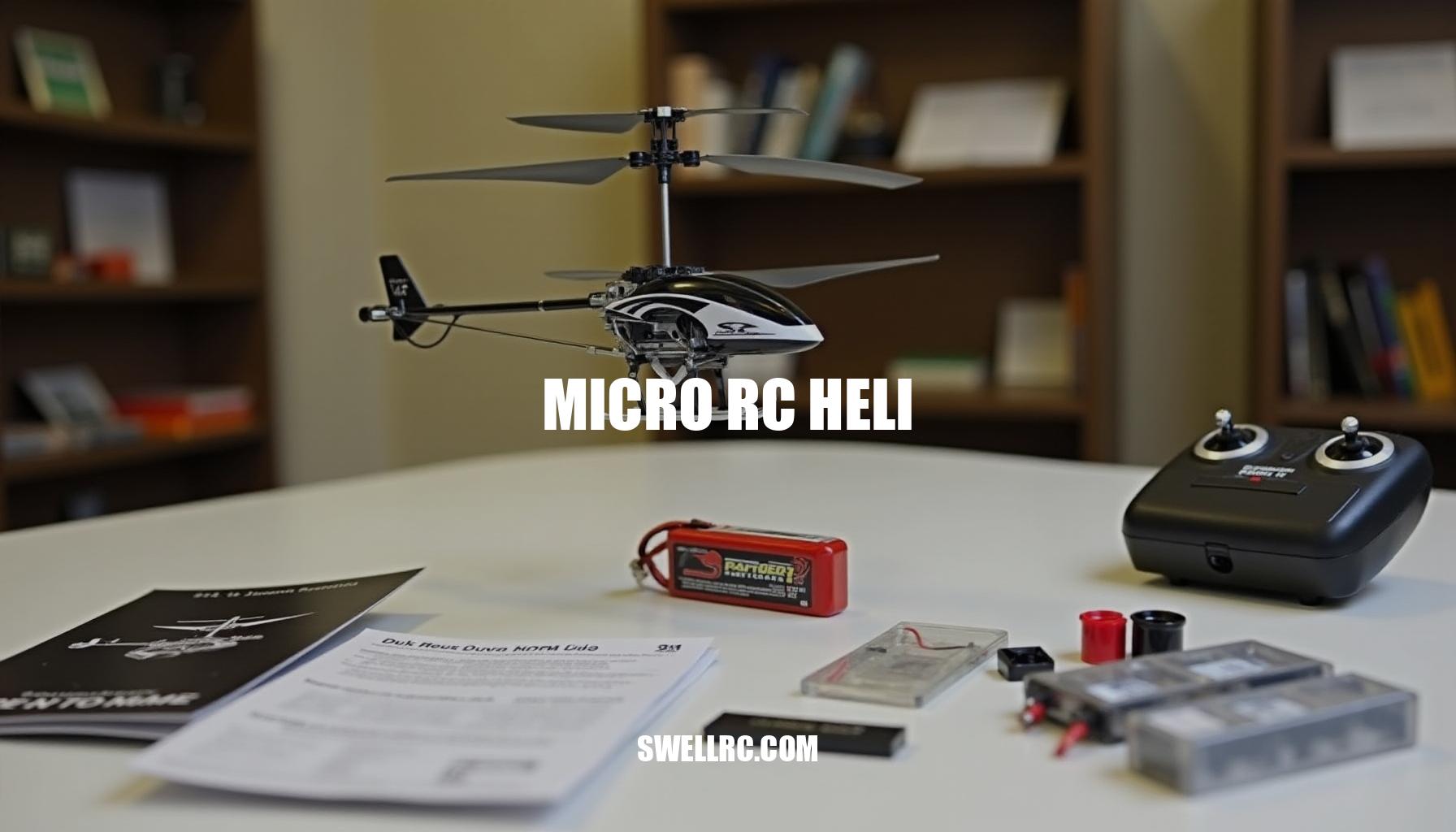
I’ll never forget the first time I hovered a micro RC heli in my living room—the way it gently bobbed in the air made me grin like a kid, and I was genuinely shocked by how planted and precise such a tiny remote control helicopter could feel. A micro RC heli, in plain terms, is a palm-sized, ultra-light, fully functional radio-controlled aircraft perfect for indoor flying. These mini RC helicopters have exploded in popularity among both beginner RC heli enthusiasts and seasoned pilots looking for year-round practice without stepping outside.
In this guide, we’ll explore the size basics, cutting-edge stability tech, hands-on comparisons, setup tips, maintenance advice, and buying guidance to help you find the perfect indoor RC helicopter. Plus, I’ll share vetted RC helicopter websites where you can dive deeper into communities and tutorials to sharpen your skills.
Understanding Micro RC Helicopters: The Tiny Machines That Fly Big
When discussing helicopter model sizes, “micro” typically refers to RC helicopters with an all-up weight under approximately 120 grams and a main rotor diameter of about 100–160 mm. These compact frames are primarily designed for indoor RC flying and calm outdoor conditions. Understanding their anatomy is key: each micro heli includes a main rotor, a tail system, a combined receiver/ESC (Electronic Speed Control) unit, several servos for control surfaces, a flight controller, and a compact battery.
Motor choices significantly impact performance and maintenance. Most micros use either brushed motors, which are cheaper and simpler but less efficient, or brushless motors, prized for higher power, better efficiency, and longer lifespan. Flight control systems vary too; 3-axis (acro/3D) setups offer full manual control suitable for aerobatics, while 6-axis (self-leveling) systems provide gyro stabilization that helps tiny heli models stay surprisingly stable despite their size.
This gyro technology, often part of a larger flybarless system, is why micros feel steady in flight.
| Size Category | Weight | Main Rotor Diameter | Ideal Use | Characteristics |
|---|---|---|---|---|
| Micro | < ~120 g | 100–160 mm | Indoor flying, calm days outdoors | Compact, nimble, gyro-stabilized, good for beginners in tight spaces |
| Mini | ~120 g–500 g | 160–300 mm | Indoor/outdoor, light wind | More powerful motors, better wind handling, moderate payloads |
| Standard | > 500 g | > 300 mm | Outdoor, various conditions | Robust frames, heavy payloads, suitable for advanced aerobatics |
Regarding durability and repairability, micros often excel: their small size and lightweight frames usually allow them to survive bumps and minor crashes. Their parts are inexpensive and easy to replace, making them ideal for indoor practice and flying in confined or tight spaces. On the other hand, mini and standard helicopters offer better resistance to wind and can carry heavier loads but tend to be more complex and costly to repair.
For a more detailed dive into the distinctions between micro, mini, and standard RC helicopter sizes, check out this comprehensive guide: RC Helicopter Sizes Explained.
Performance Insights: Flight Stability, Gyro Systems, and Motor Control
When putting 6-axis stabilization side-by-side with 3-axis gyro systems in micro helicopters, the differences in flight experience become clear. A 6-axis gyro acts like an invisible tripod, providing a gentle, automatic re-centering of the heli that enhances indoor flight stability. This is perfectly exemplified by the Esky 150 V3, which offers rock-solid 6-axis stability mode that helps beginners gain confidence with smooth, stable hovering.
In contrast, switching to a 3-axis gyro opens up possibilities for aerobatics and authentic collective pitch practice, as showcased by the XK K110S. Its switchable 6-axis and 3-axis modes empower pilots to progress from beginner-friendly stable flights to more challenging acro mode, mastering precise control and improved tail authority over flips and fast maneuvers.
Moving beyond mechanical details, it’s important to demystify flybarless controllers that have increasingly become the heart of modern micros. Removing the flybar means fewer moving parts, which translates to more efficient lift and less drag on the main rotor.
This shift allows electronic stabilization to precisely handle balance and responsiveness, giving pilots a cleaner, more tuned flight experience.
Comparing motor types in flight, brushed motors are known for quieter operation, making them ideal for flying in small indoor rooms. They provide smooth throttle response but can lack the crispness demanded for aggressive flying. On the other hand, brushless motors deliver sharper throttle response and significantly better tail authority, especially noticeable during punch-outs and quick stops.
The Eachine E160 is a perfect example of a compact flybarless heli that leverages brushless power to achieve dynamic agility and impressive flight precision.
Lessons learned: Micros are extremely light and can be pushed off course by even the mildest drafts from HVAC systems. To ensure best performance, tune your gyro gains carefully, regularly check your trims, and always practice tail-in hover first. Once that feels solid, progress to side-in and finally nose-in orientation to build your comfort and control.
| Feature | 6-axis Gyro | 3-axis Gyro |
|---|---|---|
| Flight Feel | Invisible tripod stability, easy beginner control | Opens aerobatics and accurate collective pitch control |
| Models | Esky 150 V3 | XK K110S (switchable modes) |
| Motor Type | Brushed – quieter, smooth throttle (small rooms) | Brushless – crisp throttle, strong tail authority (punch-outs) |
| Best Use | Indoors & beginner-friendly flying | 3D practice & aggressive flying |
Comparing Popular Models: My Hands-On Impressions and Key Differences
When choosing the perfect mini helicopter RC for your flying adventures, it’s essential to consider key factors such as battery life, control range, and difficulty level. For absolute beginners, models like the Double Horse 9101 with its coaxial helicopter design offer docile handling and simplicity, making it a great entry point. Meanwhile, the Esky 150 V3 provides a super stable 6-axis gyro system that’s ideal for beginners and intermediates seeking steady flight.
For progressing pilots, fixed-pitch models like the Hero RC H911 and XK K100 Helicopter offer budget-friendly options with responsive handling and trainer-friendly features.
If you’re curious about 3D flying and more advanced maneuvers, the Eachine E160 Helicopter and XK K110S Helicopter bring brushless power and switchable stabilization modes to challenge and expand your piloting skills.
| Model | Battery Life (min) | Control Range (m) | Difficulty Level | Standout Trait |
|---|---|---|---|---|
| Esky 150 V3 | 5–7 | 80–120 | Beginner/Intermediate | Super stable 6‑axis gyro |
| Hero RC H911 | 6–8 | 60–100 | Beginner | Budget-friendly fixed‑pitch trainer |
| XK K100 Helicopter | 5–6 | 80–120 | Intermediate | Agile fixed-pitch with acro feel |
| Eachine E160 Helicopter | 6–8 | 120–200 | Intermediate/Advanced | Brushless power for extended flights |
| Double Horse 9101 | 6–8 | 30–60 | Beginner | Coaxial simplicity and docile handling |
| XK K110S Helicopter | 5–7 | 100–150 | Intermediate/Advanced | Switchable 6‑axis/3‑axis and 3D modes |
To summarize, beginners will find great value in coaxial helicopters like the Double Horse 9101 or ultra-stable 6-axis models such as the Esky 150 V3 that help build piloting confidence. Those progressing to intermediate skills should explore fixed-pitch trainers like the Hero RC H911 or agile models like the XK K100 that offer more responsive control and acro-style flying. For 3D enthusiasts ready to push their limits, small collective-pitch helicopters such as the XK K110S and brushless-powered Eachine E160 provide the perfect training grounds.
For a more extensive exploration of best mini helicopter RC options covering various skill levels and features, be sure to check out our detailed roundup to find the model that perfectly matches your flying goals.
Beginner’s Toolkit: Getting Started, Controlling, and Improving Your Skills
For anyone eager to start their journey with a beginner RC helicopter, it’s important to follow a friendly startup path that ensures both fun and safety. First, focus on transmitter setup and pairing; a great resource to understand transmitter basics is the primer on helicopter RC remote control found here, which covers essential calibration steps.
Next, perform thorough pre‑flight checks to guarantee a smooth flight experience. This includes ensuring the helicopter is on a level surface, verifying the gyro orientation is correct, inspecting blades and tail for any damage, and confirming the battery is fully charged and fresh—critical for LiPo battery care.
Understanding your controls is key.
The transmitter sticks control different aspects:
- Throttle/Collective: manages lift and altitude.
- Rudder/Yaw: controls rotation left and right.
- Aileron/Roll: banks the helicopter side to side.
- Elevator/Pitch: moves the helicopter forward and backward.
Additionally, features like dual rates and expo help tailor your control sensitivity, making your flying smoother.
When ready for first flights, choose a clear indoor environment to minimize wind disturbances. Begin by practicing low-altitude tail-in hovering, followed by small translations and gentle spot landings. These indoor flying tips build a solid foundation for controle.
Your progression plan should gradually increase in difficulty: start with stability mode hover, advance to side-in, nose-in orientations, practice figure-8 patterns, then switch to lower assistance modes, and if using a collective-pitch helicopter, proceed to basic flips and rolls.
Consider quick upgrades that significantly enhance performance: invest in better blades, keep a spare battery set handy, and use proper chargers to extend battery life and overall reliability.
Finally, never overlook safety and maintenance.
Always keep the propellers clear of obstructions, establish a disarm routine before handling, check screws and linkages after any bumps or crashes, and store your LiPo batteries properly to prevent hazards. Following these steps ensures a rewarding and safe experience as you master your beginner RC helicopter.
Pro Tips and Maintenance Secrets from My Flight Log
Proper battery care is essential for extending flight time and preserving battery longevity. To maintain your LiPos effectively, keep most charge cycles between 20–80% state of charge, avoid exposing battery packs to excessive heat, and perform balance‑charging whenever possible. Equally important are maintenance tips for flight performance: smooth collective management, using fresh bearings, installing true blades, and avoiding windy backyards that require constant corrective inputs can significantly boost your helicopter’s flight time.
For optimal rotor balancing and health, regularly inspect feathering shafts and links after hard arrivals.
Replace bent parts promptly to prevent dangerous oscillations. Quick fixes such as rebinding after crashes help reset gyro baselines, while verifying trims are neutral is crucial before adjusting gains. Proper gyro tuning can prevent unnecessary strain on mechanical components.
When it comes to crash troubleshooting, avoid common mistakes like aggressive outdoor tests in gusty conditions, over‑discharging LiPos, turning up gyro gains to compensate for mechanical issues, and skipping post‑crash inspections.
For the best results, rely on trusted community hubs and review portals that specialize in RC helicopters—these sources offer invaluable news, manuals, and setup threads.
Final Thoughts: Why the Micro RC Heli Hobby Hooked Me
Reinforce the magic: Micro helicopters offer an unmatched performance-to-size ratio, providing an accessible learning curve and enabling year-round flying even in tight spaces. These benefits create a perfect environment for practice indoors, allowing pilots to maintain and sharpen their skills regardless of weather or location.
Reflecting on lessons learned, operating micros significantly enhances orientation awareness, throttle finesse, and setup discipline. These foundational skills seamlessly transfer to bigger birds, accelerating skill progression and boosting confidence across all RC helicopter hobby levels.
We encourage you to experiment across sizes and skill modes. Use the size comparisons and model table above as a roadmap to explore different micro helicopter benefits and brushless efficiency advancements. The diversity in models allows you to tailor your flying experience to match your evolving skills.
Looking ahead, the future of micro tech is incredibly exciting. Smarter flight controllers, gyro advancements, more efficient brushless setups, and longer-lasting micro LiPos promise more practice sessions, more often, and in more places. Embrace this wave of innovation to elevate your RC helicopter hobby to the next level.
Frequently Asked Questions
- What is the best micro RC helicopter for beginners?
Look for a micro heli with 6‑axis self‑leveling or a coaxial design, modest head speed, and durable parts. These stabilize themselves, survive bumps, and make hovering far easier than acro‑only collective‑pitch models. - How long can a micro RC heli fly on one battery?
Most micros fly about 5–8 minutes per pack. Brushless setups with efficient blades and careful throttle management can push closer to 7–10 minutes, while aggressive 3D flying shortens times. - Are micro RC helicopters easy to control indoors?
Yes—especially 6‑axis or coaxial micros. Choose a small, open room, kill drafts from fans or HVAC, and practice tail‑in hovering before moving to side‑in and nose‑in orientations. - What is the difference between a micro and a mini helicopter?
Micros are lighter and smaller (often under ~120 g and ~100–160 mm rotors) for indoor or calm‑day use; minis are larger and heavier, handle wind better, and typically offer longer range and flight time. - Which micro RC heli offers the best stability for learning 3D flight?
Pick a small collective‑pitch heli with switchable 6‑axis/3‑axis stabilization. Train in 6‑axis to build orientation, then switch to 3‑axis as you begin flips, rolls, and inverted practice.