Can You Fly DJI Drone at Night? A Comprehensive Guide

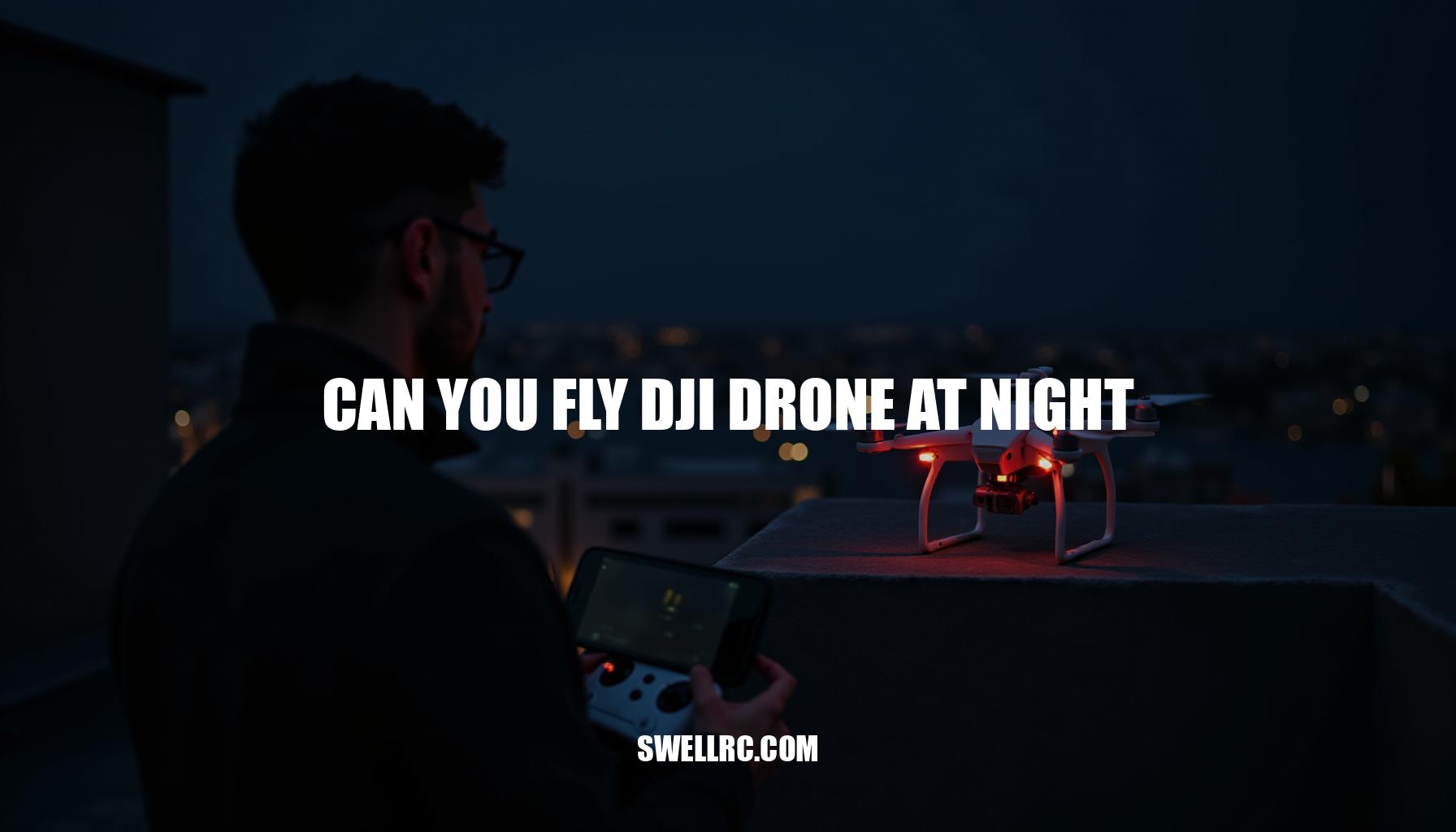
The first time I watched city lights bloom beneath the props of my DJI drone, I couldn’t help but wonder if I was even allowed to be up there after sunset. The magic of night flying pulled me in, but curiosity soon nudged me to dive deep into the legality, safety considerations, and practical setup for night flying DJI drones. Night photography looks undeniably enchanting, yet as the world darkens, the rules and risks shift in ways both subtle and significant.
It turns out, in many countries—including the U.S.—night flight is legal if you adhere to specific FAA rules: using proper drone lighting accessories, maintaining visual line of sight (VLOS), and, for remote pilots under Part 107, completing night training that certifies you for the unique challenges of after-dark operation.
To clarify, “night” officially begins after civil twilight, which is when the sun is 6 degrees below the horizon, meaning it’s truly dark enough to require special lighting and precautions.
Regulations vary by country and can change frequently, so always verify local drone safety rules before flying at night. Over the coming sections, I’ll unpack laws and certifications relevant to night flying, detail the drone anti-collision lights and camera setups—including how DJI Air 3 night mode performs—and share my personally tested accessories and safe practice plans. For newer pilots building confidence from day to night skills, I highly recommend starting with foundational flying techniques described in how to fly a DJI drone.
Join me on this clear, evidence-based journey to mastering the art and safety of DJI night flying—where legal knowledge, practical gear, and pilot skill converge to unlock stunning nocturnal vistas.
Understanding the Legal Requirements for Flying a DJI Drone at Night
Flying drones at night in the U.S. involves understanding a specific legal framework designed to keep skies safe. Both recreational and commercial (Part 107) pilots must follow rules that ensure visibility and control, but the requirements differ slightly to match operational risks and pilot expertise.
For Recreational Pilots (49 U.S.C. 44809): Completing the TRUST test is mandatory, preserving safety knowledge. Pilots must maintain Visual Line of Sight (VLOS) with their drones at all times, adhere to a Community Based Organization (CBO) safety code, and operate with anti-collision lighting visible for at least 3 statute miles with a flash rate sufficient to avoid collisions. Compliance with airspace regulations is also critical.
For Part 107 Remote Pilots: Operators require a Remote Pilot Certificate, including recurrent training that features night operations. Anti-collision lighting with 3-mile visibility is also mandatory. VLOS remains a non-negotiable requirement.
Unlike earlier rules, no waiver is needed to conduct routine night flights under Part 107. Additionally, pilots must comply with the applicable categories for operations over people.
Remote identification (Remote ID) applies whether you’re flying during the day or night unless operating within a FAA-recognized identification area (FRIA) or using an FAA-approved broadcast module, per current FAA rules. This enhances transparency and safety across the airspace.
It’s important to understand the difference between civil twilight and night: civil twilight is the period just after sunset or before sunrise when some natural light remains. Legally, most night operation rules take effect after civil twilight, which makes civil twilight an ideal transition window. Beginners might find flying during this time window practical — offering some natural light while training for night conditions.
Remember to always verify local laws as they can impose additional restrictions, especially in controlled airspace where prior approvals (like LAANC authorizations) may be necessary. LAANC authorizations are often granted quickly but can vary depending on the location and time—planning ahead is key.
Connectivity plays a role mainly in ease of compliance; cellular service isn’t required to operate a drone legally but having internet access can simplify accessing map data and obtaining real-time airspace authorizations. For example, see this practical discussion on flying DJI drones without cell service: https://www.swellrc.com/can-you-fly-a-dji-drone-without-cell-service/.
| Region/Country | Night Allowed | Lighting Requirement | Pilot Credential | Airspace Notes | Source |
|---|---|---|---|---|---|
| United States (FAA) | Yes (with rules) | Anti-collision lighting visible for 3 statute miles | Recreational: TRUST; Part 107 certificate | LAANC authorization required for controlled airspace; VLOS always | FAA Guidelines |
| Canada (Transport Canada) | Yes (with limits) | Anti-collision lighting required | Basic or Advanced Pilot Certificate | Controlled airspace requires permission; VLOS mandatory | TC Drone Safety |
| EU (EASA/Open Category) | Night ops allowed with lighting | Lighting depends on drone class | Online training and declaration | Airspace restrictions apply; VLOS mandatory unless authorized | EASA Regulations |
| United Kingdom (CAA) | Yes, with anti-collision lighting | Anti-collision lighting with 3 SM visibility | Flyer ID (basic); Operator ID for commercial | Controlled airspace permission required; VLOS required | UK Drone Regs |
| Australia (CASA) | Yes, with lighting and conditions | Anti-collision lighting recommended | Remote Pilot License for commercial; recreational no license but rules apply | Restricted airspace approvals needed; VLOS enforced | CASA |
| New Zealand (CAA NZ) | Yes, when using lights | Anti-collision lights required at night | Part 101 operator certificate for commercial | Airspace permissions needed; VLOS mandatory | CAA NZ |
Footnotes:
- VLOS: Maintained in all regions unless special permission is granted.
- Remote ID: Equivalent systems vary; always check local requirements.
- Check for local exemptions or class marking requirements before flying.
Final reminder: Regulations can change frequently, so always verify the latest official rules with the relevant aviation authority before your flight. Staying compliant not only avoids penalties but also builds confidence and helps ensure safety for everyone in the air.
Lighting: The Critical Aspect of Safe Night Flying
Lighting is the number-one factor for safe night drone operation, crucial both for legal compliance and for maintaining effective human orientation. Proper anti-collision lights ensure that your drone is visible to others within at least 3 statute miles, meeting FAA requirements which mandate flashing lights at a rate sufficient to avoid collision. It’s important to note that built-in DJI status LEDs typically do not satisfy these rigorous standards alone, necessitating the use of specialized drone lighting accessories to enhance visibility.
When comparing built-in DJI lights vs external strobes and LED kits, practical mounting considerations come into play. For instance, top-mounted strobes aid in maintaining Visual Line of Sight (VLOS) by making the drone more conspicuous against dark skies, whereas belly-mounted lights are beneficial during landing phases but risk interference with compass and antenna systems. Always avoid mounting strobes near sensitive components and conduct a light check in an ATTI-safe environment before flight.
For inspiration and compatible solutions, consider exploring LED lighting kits and accessories designed for RC airplanes, which cross-train well for drone applications, offering various flash patterns and intensity options tailored for night safety.
| Light Type | Approx. Candela/Lumen | Flash Patterns | Weight | Battery Life | Mounting Notes | Estimated Power Draw/Impact on Flight Time |
|---|---|---|---|---|---|---|
| White High-Intensity Strobe | 800-1000 cd | Multiple flash rates; primarily 60-80 flashes/min | 25-40 g | 60-90 min | Top mount for best VLOS; avoid antenna zones | Medium; ~10% reduction in flight time |
| Red/Aft LED Strobe | 500-700 cd | Steady and flashing modes | 20-35 g | 70-100 min | Rear or side mounts for orientation cues | Low; ~5-8% reduction |
| Auxiliary Landing Lights (Continuous) | 1000-1500 lumens | Continuous on/off | 50-70 g | 30-45 min | Belly mount recommended; careful of washout | High; up to 20% reduction |
From test-driven insights, a high-mounted white strobe markedly improved drone acquisition against dark backgrounds, while combining dual strobes (white on top, red aft) significantly enhanced orientation during complex maneuvers. Conversely, over-bright continuous lights may wash out camera exposure during close-up shots, so their use requires careful balancing.
For best practice and FAA compliance, select flashing rather than steady-burning lights to clearly convey your drone’s presence and movement, meeting 3 statute miles visibility guidelines. Prior to launching, perform a pre-flight light test from 100–150 feet away to confirm real-world visibility under current conditions.
Finally, never underestimate the value of a trained visual observer at night — they substantially augment situational awareness, reducing risks even when optimized LED strobes and lighting setups are in use.
By thoughtfully integrating robust lighting solutions with an understanding of DJI night safety, orientation lighting, and battery life impact, pilots can achieve safer, more compliant night flights while maintaining realistic expectations about visibility and power consumption.
Flight Performance and Visibility Challenges After Sunset
Flying drones at night presents a unique set of challenges that affect flight dynamics, sensors, and cameras, requiring pilots to adapt their techniques based on field-tested insights. One of the primary night flying challenges is the degradation of vision-based positioning systems. Most downward sensors rely on ambient light to identify surfaces; in low light, their performance drops significantly, leading some models to activate auxiliary LEDs to maintain stable sensing.
Consequently, operators should anticipate a reduced obstacle avoidance range and adopt a slower flight speed to preserve control and prevent collisions.
While GPS reliability itself isn’t impacted by darkness—the satellites function consistently regardless of the hour—urban night environments often experience elevated RF interference due to crowded radio bands near lit venues and nightlife hubs. These spikes can temporarily degrade link margin, prompting potential latency or loss of signal. Pilots should plan accordingly by calibrating compasses away from metal objects and bright lights, ensuring Return-to-Home (RTH) altitudes are conservatively set, and remaining vigilant for unexpected link fluctuations.
Effective orientation strategies are vital for maintaining a clear visual line of sight during nocturnal operations. Employing distinct top and bottom strobes helps quickly identify the drone’s attitude and position. Practicing straight-and-level passes combined with slow yaw movements preserves pilot situational awareness, reducing spatial disorientation.
Setting RTH altitude well above known obstacles further enhances safety margins.
Camera performance naturally suffers in low light as higher ISO and slower shutter speeds introduce noise and motion blur. To mitigate this, pilots benefit from using drones equipped with larger sensors, such as flagship DJI models, or enabling specialized modes like the Air 3 Night Mode when available. Manual camera control is indispensable: exposing to protect highlights, shooting in D-Log M for maximum dynamic range, and applying gentle noise reduction in post-production ensure footage remains usable and aesthetically pleasing.
For those relying on FPV, night flying is notably more demanding. Goggle dependence increases, and the legality and safety of using spotters should be carefully evaluated, especially in complex or controlled airspaces. Referencing resources like DJI FPV at night can provide essential guidance on best practices and regulatory compliance.
Below is a handy checklist of essential failsafes to verify before takeoff during night flights:
| Failsafe Item | Purpose |
|---|---|
| RTH Altitude | Set generously high to avoid buildings and obstacles |
| Home Point Update | Ensure GPS lock and current location before launch |
| Battery Margins (Incl. Strobes) | Account for extra power draw from navigation lights |
| Geo/Altitude Limits | Confirm no airspace or altitude restrictions active |
Before committing to full darkness operations, pilots should conduct incremental testing in civil twilight conditions. This transitional lighting helps identify sensor and camera performance thresholds, facilitating safer adaptation strategies.
- Quick Tips: Prefer cine or tripod mode for precise, stable footage; set gentle braking to avoid abrupt stops; avoid backlit horizons that silhouette your drone and reduce visibility; consider assigning a dedicated visual observer to support VLOS compliance and enhance operational safety.
For fundamentals on flight control and safe drone operation, visit this comprehensive training resource.
By integrating these practical, experience-backed techniques, pilots can maintain high control confidence and produce usable, high-quality footage even after dark, navigating the intricate balance of technology and environment that defines successful night flights.
Recommended Setup and Accessories for Night Flying
For a reliable and safe DJI night setup that balances legality and optimal image quality, pilots should follow this step-by-step guide to minimize surprises during night flights:
- Preflight planning: Always check NOTAMs, local airspace restrictions, and weather conditions. Choose an open, low-clutter flying area to enhance safety and visibility. Bringing a visual observer is highly recommended to aid situational awareness.
- Power plan: Account for additional power draw from LED strobes and other lighting accessories for night flying.
Carry extra fully charged batteries and test light mounts beforehand to ensure no excessive vibration affects footage quality.
- Lighting: Install anti-collision strobes both on the top and aft of the drone for maximum visibility. Test their visibility at range before the flight. Also, bring a dimmable headlamp with a red mode to preserve night vision.
Considering a lit landing pad can provide a safer landing zone and improve orientation.
- Orientation aids: Use color-coded strobes and apply reflective tape on drone arms to maintain clear orientation in low light. Set a clearly defined Return-To-Home (RTH) altitude and establish reliable failsafe protocols to avoid unexpected behaviors.
- Camera setup: For night shooting, switch to manual exposure, keep ISO at a moderate level to control noise, and set shutter speed close to the 180-degree rule to maintain cinematic motion blur. Avoid ND filters at night except for specific long-exposure creative shots.
For example, the Air 3 Night Mode benefits from these manual settings, while the Mavic 3’s larger sensor offers advantages in low-light sensitivity without heavy reliance on high ISO.
- Control setup: Use Cine or Tripod flight profiles to soften braking and expo settings for smoother, more controllable motions. Confirm compass calibration and home point accuracy. Turn off Bluetooth and Wi‑Fi on nearby devices if they cause interference with control signals.
- Field routine: Launch during civil twilight to take advantage of diminishing light.
Conduct a 2–3 minute shakedown flight to check all systems and note any anomalies. Only extend flight time if Visual Line Of Sight (VLOS) is easily maintained throughout.
- Postflight: Review your footage carefully for noise and motion blur. Adjust your exposure strategy accordingly for subsequent flights.
Also, inspect mounts and propellers for damage or wear caused by lighting setups or night conditions.
Newcomers looking for a gentler learning curve with mini drones can refer to this trusted resource on how to fly a mini drone for beginners. Incorporating accessories like prop guards along with proper camera settings at night and following ND filter guidance will further enhance safety and image quality for your night flights.
Alternative Drone Experiences and Unique Flight Comparisons
When honing your night flying skills, exploring various platforms like the UFO quadcopter and UDI RC drone provides foundational visibility lessons that complement DJI night-flight training. These trainer drones often feature bright ring LEDs that enhance night orientation practice by clearly outlining the quadcopter’s orientation against the dark sky. Their playful LED-rich designs not only boost confidence but also help pilots develop a keen eye for spatial awareness without the high stakes of expensive gear at risk.
On the other hand, VTOL hybrids, like the one discussed in the XK X450 VTOL overview, introduce a different set of challenges. Unlike multirotors, VTOLs combine fixed-wing and rotary capabilities, demanding more conservative lighting strategies and careful glide-path planning due to their different flight dynamics and visibility profiles. The fixed-wing sections often reflect or block light uniquely compared to multirotors, affecting visibility and requiring more deliberate control inputs at dusk.
Comparatively, the bright LEDs on toy-class quads train you to rely on high-contrast strobes and slow yaw movements—habits that are directly transferable to DJI night operations where disciplined Return-to-Home (RTH) procedures are critical. Meanwhile, VTOL training emphasizes planning and precision, qualities essential for managing the complex control feel differences that sharpen situational awareness during night flights.
- Visibility Techniques: Bright LEDs improve orientation, but VTOLs necessitate subdued lighting to avoid glare and aid natural glide-path awareness.
- Control Feel: Multirotors offer quick response, while VTOL hybrids require managing inertia and lift transitions, refining pilot adaptability.
- Skill Transfer: Night orientation practice on trainers builds confidence, paving the way for complex DJI missions under low-light conditions.
For hands-on tips that bridge these experiences, resources like how to fly a UFO drone provide practical advice to enhance your skill set progressively.
Embracing this graduated learning path ensures safer experimentation and better control, ultimately enriching your proficiency in night drone operations across various platforms.
Conclusion – My Final Thoughts on Flying DJI Drones at Night
Flying drones at night opens up a world of unique visual opportunities and creative expression, and understanding drone night legality across regions ensures that your adventures remain both thrilling and fully compliant. Adhering to essential practices like equipping your drone with anti-collision lights visible from 3 statute miles, maintaining VLOS (Visual Line Of Sight) at all times, completing specialized night training for Part 107 operations, and ensuring Remote ID compliance forms the backbone of safe drone operations. Coupling these with conservative flight profiles and optimized camera settings not only supports legality but also dramatically enhances your DJI night photography results.
From my own experience, one of my most rewarding captures was a tranquil, star-lit cityscape that shimmered under gentle streetlights, achieved entirely through careful planning and respect for flight rules. Conversely, a lesson etched in my memory is the necessity of testing strobes at range before launch—a precaution that prevented potential in-flight visibility issues and emphasized that pre-flight checks are non-negotiable for night flights.
I encourage every pilot to cultivate a mindful progression in mastering night flying: start with civil twilight flights, deepen your skills gradually, and ensure your daytime piloting fundamentals are rock solid—this approach will make nighttime operations feel like a natural and exhilarating extension of your craft. For those eager to expand their knowledge, I invite you to explore foundational guides on these topics shared earlier, which complement this practical advice perfectly.
- Plan: Understand your local regulations and prepare thoroughly.
- Light up: Equip and check your anti-collision lighting for visibility.
- Keep VLOS: Maintain visual line of sight at all times for safety and control.
- Enjoy the night—safely: Embrace the challenge and rewards of night flying responsibly.
Frequently Asked Questions
- Can you legally fly a DJI drone after sunset?
Often yes. In the U.S., both recreational and Part 107 pilots may fly at night if they maintain visual line of sight and use anti-collision lighting visible for at least 3 statute miles; Part 107 pilots also need night-operations training. Always verify local laws before flying. - What lights do I need to fly my drone at night?
Use anti-collision strobes that are visible for at least 3 statute miles and flash at a rate sufficient to avoid collision. Built-in status LEDs usually aren’t enough; add third-party strobes and mount them for maximum skyward visibility. - How can I keep my DJI drone visible in the dark?
Add bright strobes (top and aft), fly against contrasting backgrounds, keep a visual observer, set a conservative RTH altitude, and practice slow, predictable flight paths that make the aircraft easier to reacquire visually. - Does night flying affect drone camera performance?
Yes. Expect higher ISO, slower shutters, and more noise. Use manual exposure, larger sensors or dedicated night modes, stabilize with slower movements, and apply gentle noise reduction in post. ND filters are rarely helpful for video at night. - Are there special FAA rules for night drone flights?
Yes. Anti-collision lighting visible for 3 SM is required, VLOS must be maintained, and Part 107 pilots need night training. Remote ID requirements apply day or night unless you’re in a FRIA or using a compliant module. - What’s the best way to practice night flying safely?
Start at civil twilight in a wide-open area, use a visual observer, test strobes at range, fly slowly in Cine/Tripod mode, verify RTH and home point, and expand duration only as your visibility and orientation confidence grow.